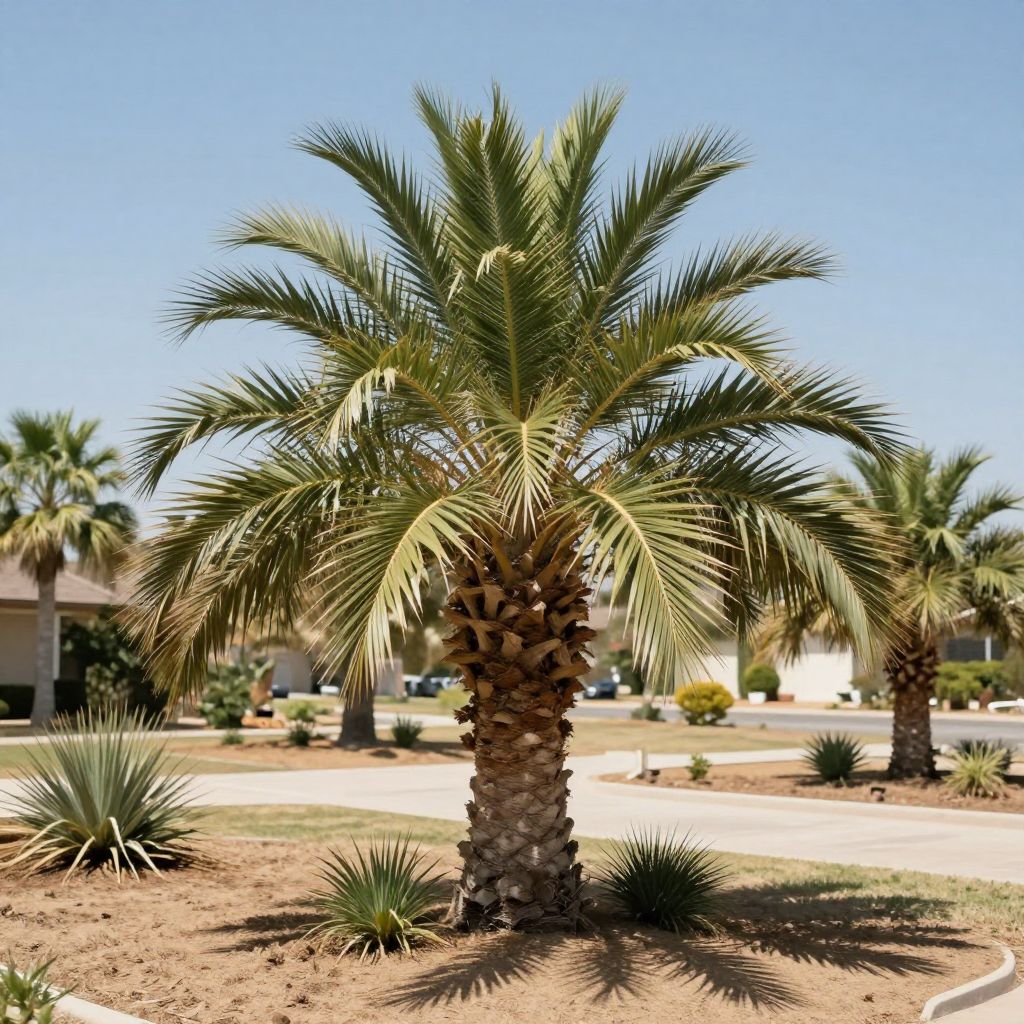
Does Texas have palm trees? Yes—many parts of Texas can grow palms successfully, especially in warmer coastal and southern areas, and some hardy species also work farther inland. The key is choosing the right palm for your local climate, soil, and winter lows.
Texas is a big state with very different growing conditions, so palm success depends less on the state name and more on your exact location. If you match the species to your site and give it good drainage, palms can become long-lived landscape plants.
Does Texas Have Palm Trees?
Yes, Texas does have palm trees, both native and commonly planted ornamental species. In the warmest parts of the state, palms grow outdoors year-round, while in colder regions only the toughest types survive reliably. Success depends on heat, winter lows, drainage, and choosing a palm suited to your area.
Which Palm Trees Grow Best in Texas?
Not every palm likes Texas weather. The best choices are usually species that tolerate heat, occasional drought, and the winter cold your region may bring.
Common landscape palms for Texas
- Windmill palm (Trachycarpus fortunei) — one of the more cold-tolerant options for inland Texas.
- Mediterranean fan palm (Chamaerops humilis) — smaller, clumping, and useful in protected spots.
- Sabal palm (Sabal spp.) — native and well adapted to parts of Texas, especially coastal and Gulf areas.
- Pindo palm (Butia odorata) — attractive and fairly tough where winters are not extreme.
- Queen palm (Syagrus romanzoffiana) — fast-growing, but less cold-hardy than the hardiest palms.
Native palms are often the safest choice because they are already adapted to local heat, humidity, and soils. In Texas, that usually means better long-term performance and less maintenance.
Palms that are more limited in Texas
Some palms can grow in Texas only in the warmest microclimates or with winter protection. Coconut palms, for example, are generally not dependable outdoors in most of Texas because they need consistently warm temperatures and do not handle cold snaps well.
What Texas Climate Conditions Matter Most?
Palms are not all about heat. In Texas, winter cold, humidity, wind, soil drainage, and summer drought all affect whether a palm thrives or struggles.
1. Winter lows
The biggest limitation for many palms is freezing weather. A palm that looks fine in a nursery may still fail if your area gets hard freezes or repeated cold fronts.
2. Soil drainage
Palms dislike soggy roots. Heavy clay soils common in parts of Texas can cause root stress, yellowing, and decline if water sits around the crown or roots.
3. Heat and reflected sun
Most palms enjoy full sun once established, but newly planted palms can scorch or dry out too quickly in intense Texas sun, especially during hot, windy periods.
4. Wind and salt exposure
Coastal Texas can be excellent palm country, but salt spray and strong winds narrow your plant choices. Some palms tolerate coastal conditions better than others.
How to Plant a Palm in Texas
Good planting technique matters as much as species selection. A well-planted palm establishes faster and is less likely to fail during heat waves or winter cold.
- Choose the right site. Pick a spot with full sun to bright light and enough room for the mature canopy and trunk.
- Check drainage. Dig a test hole and see whether water drains within a few hours. If it stays wet, improve the site before planting.
- Dig a wide hole. Make the hole at least 2 to 3 times as wide as the root ball, but no deeper than the root ball itself.
- Set the palm level. Keep the top of the root ball slightly above the surrounding soil if your ground is heavy or poorly drained.
- Backfill with native soil. Use mostly the soil you removed. Excess compost in the hole can create a water-holding pocket.
- Water thoroughly. Soak the root zone after planting to settle soil around the roots.
- Mulch lightly. Add 2 to 3 inches of mulch, but keep it a few inches away from the trunk.
Do not bury the trunk flare. Palms planted too deeply often decline slowly because the crown and roots stay too wet.
Soil, Compost, and Drainage Tips
Palms are not especially fussy about rich soil, but they are very sensitive to poor drainage. In Texas, that usually matters more than feeding them heavily.
If you have clay soil
- Plant slightly high so water runs away from the crown.
- Use mulch to moderate soil temperature and reduce evaporation.
- Do not create a “bathtub” hole lined with amended soil that traps water.
If you have sandy soil
- Add organic matter to the top layer, not just the planting hole.
- Mulch to help hold moisture during hot weather.
- Watch young palms closely because sandy soil dries quickly.
Compost can help improve the overall soil structure over time, but it should be used sparingly and mixed into the surrounding area rather than packed into the planting hole.
Watering Palms in Texas
Newly planted palms need regular moisture while they establish, but established palms usually prefer deep, occasional watering rather than frequent shallow watering. The right rhythm depends on your soil, heat, and rainfall.
For newly planted palms
- Water deeply after planting.
- Keep the root ball evenly moist, not soggy, during establishment.
- Check soil moisture with your finger or a small trowel before watering again.
For established palms
- Water during extended dry spells, especially in hot weather.
- Water slowly so moisture reaches the root zone.
- Reduce watering when temperatures cool and rainfall increases.
In Texas heat, a palm in full sun may need more attention than one in partial shade, especially the first year. Overwatering can be just as harmful as underwatering if the soil drains poorly.
Sunlight and Placement
Most palms grown outdoors in Texas prefer full sun, but young plants may establish better with some afternoon protection in the hottest regions. The best placement depends on both species and site conditions.
Best placement guidelines
- Give sun-loving palms at least 6 hours of direct sun when possible.
- Use a sheltered location for palms exposed to strong winter wind.
- Plant away from roof runoff areas where soil may stay too wet.
- Leave room for fronds, trunk spread, and future height.
If you are planting near a house, driveway, or pool, remember that some palms shed old fronds, flowers, or fruit. Choose a species that fits the amount of cleanup you want to handle.
Pruning and Maintenance
Palms need less pruning than many landscape trees, but they still benefit from careful maintenance. The goal is to remove only what is truly dead or hazardous.
How to prune palms correctly
- Remove only fully brown, dead fronds.
- Do not cut green fronds just because they look untidy.
- Avoid “hurricane cuts,” which remove too many healthy fronds and weaken the palm.
- Use clean, sharp tools to reduce tearing and disease risk.
Overpruning is one of the most common palm mistakes in Texas landscapes. A palm needs enough healthy fronds to produce energy and stay strong through heat and cold stress.
Common Palm Problems in Texas
Texas palms can face stress from weather, soil issues, pests, and nutrient deficiencies. Catching problems early makes a big difference.
Cold damage
After a freeze, fronds may turn brown or collapse. Some palms recover slowly, so wait before removing damaged tissue unless it is clearly dead and hanging loose.
Yellowing fronds
Yellowing can come from poor drainage, nutrient imbalance, root stress, or cold injury. Look at the whole plant and the soil before assuming it needs fertilizer.
Pests
- Scale insects can weaken palms and leave sticky residue.
- Spider mites may appear in hot, dry conditions, especially on stressed plants.
- Palm-specific borers or beetles may be regionally important on certain species.
Diseases and rot
Root and crown rot are more likely when palms are planted too deeply or kept too wet. Good drainage and proper planting depth are the best prevention.
Can You Grow Palms in Containers in Texas?
Yes, but container-grown palms need closer care than landscape palms. Pots dry out faster in Texas heat and roots are more exposed to winter cold.
Container care basics
- Use a large pot with drainage holes.
- Choose a well-draining potting mix made for containers.
- Water when the top inch or two of mix begins to dry.
- Move the pot to a sheltered spot during hard freezes.
Container palms are a good option if you live in a colder part of Texas and want to overwinter a less hardy species, but they still need bright light and consistent care.
How to Tell If a Palm Will Survive Your Area
Before buying, match the palm to your local conditions rather than the label alone. A plant tag may say “cold hardy,” but that does not guarantee success in every Texas yard.
Ask these questions first
- What are the typical winter lows in my area?
- Does my soil drain well after rain?
- Will the palm get enough sun?
- Do I have room for the mature size?
- Can I protect it during unusual cold snaps?
If you are unsure, start with one palm in a protected spot before planting several. That gives you a chance to see how it handles your local climate.
Conclusion: The Best Way to Grow Palms in Texas
Texas can absolutely grow palm trees, but success comes from choosing a species that fits your climate and planting it in well-drained soil with the right amount of sun and water. Start with a hardy palm, plant it correctly, and avoid overpruning or overwatering.
If you want to keep learning about warm-climate landscaping, look for more guidance on choosing drought-tolerant trees for Texas yards and improving garden drainage in heavy soil.