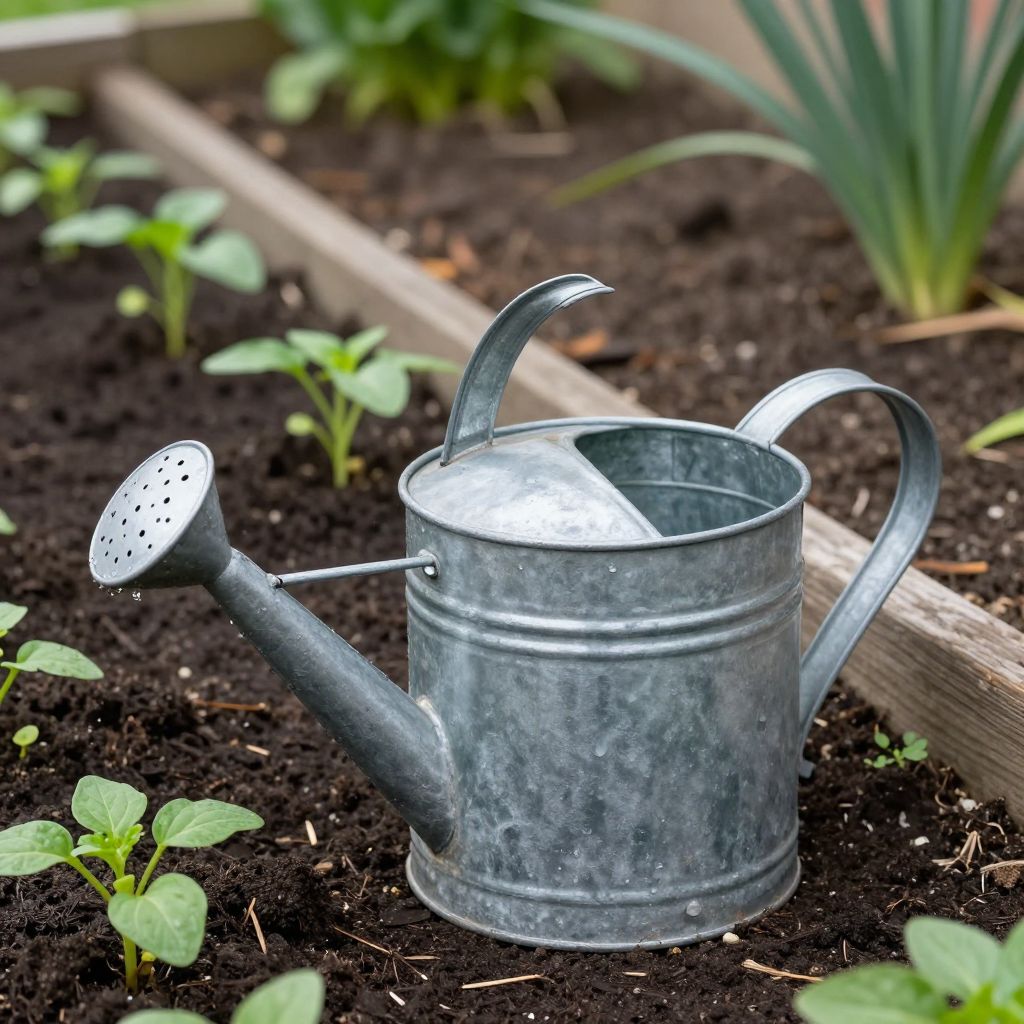
Looking for a galvanized watering can that actually helps your plants instead of making watering harder? The right can is sturdy, balanced, and sized for the way you garden, whether you’re tending houseplants, containers, raised beds, or a small vegetable patch.
Used well, a galvanized watering can is a practical tool that delivers water gently and accurately. Used poorly, it can rust, leak, tip over, or pour too fast and wash soil away, so choosing the right style and caring for it matters.
What is a galvanized watering can, and how do you use it well?
A galvanized watering can is a metal watering can coated with zinc to help resist rust. It’s best for controlled watering of pots, seedlings, hanging baskets, and garden beds, especially when you want a gentle stream from a rose or spout. Keep it clean, dry it after use, and match its size to your strength and the plants you water most.
Why gardeners like galvanized watering cans
Galvanized cans are popular because they are durable, stable, and often more attractive than plastic. Many gardeners like the weight and feel, especially for outdoor use where a can may be bumped, knocked over, or left near a potting bench.
They also suit a wide range of tasks:
- Watering seedlings without blasting them out of the soil
- Moistening seed-starting trays and small pots
- Watering containers on patios and balconies
- Carrying water to beds where a hose does not reach easily
- Applying liquid feed diluted in water, if the product label allows it
The main trade-off is weight. A full metal can can be tiring to carry, especially for older gardeners or anyone watering many containers at once.
How to choose the right galvanized watering can
Pick the right size for your garden
Choose a can that you can lift comfortably when full. For many home gardeners, a smaller can is easier to control than a large one, even if it means refilling more often.
- Small can: best for indoor plants, seedlings, and tight spaces
- Medium can: useful for mixed container gardens and small beds
- Large can: better for bigger outdoor jobs, but heavier when filled
If you water mostly houseplants, a compact can with a long spout is usually more practical than a large decorative model.
Look at the spout and rose
A long spout helps you reach under foliage and aim water at the soil instead of the leaves. A removable rose, or sprinkler head, is helpful for seedlings and delicate plants because it breaks the water into a softer spray.
Check that the rose fits securely. A loose head can fall off or create an uneven flow, which makes watering messy and less effective.
Check balance, handle comfort, and seams
Before buying, lift the can when empty. The handle should feel comfortable in your hand and the can should not tip awkwardly when partly filled.
Look closely at seams, joints, and the base. Good construction matters because weak seams are a common place for leaks to start.
How to use a galvanized watering can effectively
Water the soil, not the foliage
For most plants, aim water at the root zone. Wet leaves can encourage disease in some conditions, especially in crowded beds, greenhouses, or humid weather.
Use the rose for seedlings and freshly planted starts. For established plants, remove the rose if you need a more focused stream, but pour slowly so you do not expose roots or compact the soil.
Water slowly and evenly
Fast pouring can cause runoff, especially in dry potting mix or crusted garden soil. If water runs off instead of soaking in, pause and let it absorb before adding more.
For containers, water until you see a little drainage from the bottom. For beds, water deeply enough to moisten the root zone, not just the surface.
Match watering to plant type and season
There is no single schedule that fits every garden. Hot, windy weather dries soil quickly, while cool or rainy periods slow water use. Newly planted flowers, vegetables, and shrubs usually need closer attention than established plants.
Check the soil with your finger before watering. If the top inch or two feels dry, many container plants will need water. In garden beds, a deeper check is better because surface soil can dry while roots still have moisture below.
Best uses for a galvanized watering can in different garden settings
Indoor plants
Indoors, a smaller galvanized watering can is useful because it gives you control and reduces spills. A narrow spout helps you water directly into pots without splashing floors or furniture.
For houseplants, avoid leaving standing water in saucers for long periods. Empty excess water after the pot has drained so roots do not sit in soggy conditions.
Seedlings and propagation trays
Young seedlings need a gentle touch. A rose attachment helps distribute water evenly and prevents soil from being displaced or seeds from being buried too deeply.
If the surface dries too quickly, water more lightly but more often, and consider bottom watering trays when appropriate for the plant type.
Containers and hanging baskets
Container plants dry faster than in-ground plants because their roots are confined and exposed to heat and wind. A galvanized watering can is ideal for reaching pot rims and basket hooks with control.
Water slowly until the entire root ball is moistened. If water channels down the side and escapes too quickly, the mix may have become hydrophobic and need a slower, repeated soak.
Raised beds and small vegetable plots
In raised beds, a watering can is helpful when you want to direct water to specific crops rather than wetting every inch of the bed. This is especially useful for transplants, herbs, and young vegetables.
Use it for spot watering during dry spells or for newly planted rows before roots have spread deeply enough to find moisture on their own.
How to clean and maintain a galvanized watering can
Good maintenance extends the life of the can and helps prevent rust, clogging, and leaks.
- Empty the can after use, especially if you added fertilizer or plant food.
- Rinse it with clean water to remove soil, algae, or residue.
- Shake out excess water and let it air-dry upside down or on its side.
- Store it in a dry, sheltered place rather than leaving it in rain or damp grass.
- Check the rose and spout for mineral buildup or debris and clear blockages as needed.
Never leave fertilizer solution sitting in the can for long periods. Residue can corrode metal and clog the rose.
How to reduce rust
Galvanized metal resists rust, but it is not rust-proof forever. Scratches, dents, and constant moisture can shorten its life.
- Dry the can after each use
- Avoid storing it full of water
- Keep it out of prolonged rain exposure
- Do not scrub aggressively with abrasive tools that damage the coating
If you notice early rust spots, clean them gently and keep the area dry. Once the coating is worn through, the can will need closer care.
Common problems and how to fix them
The can leaks
Small leaks often come from seams, dents, or a damaged rose connection. First, inspect the can when empty and dry. If the leak is minor and the can is otherwise sound, it may still be usable for outdoor work, but a growing leak usually means the can is nearing the end of its useful life.
The rose clogs
Mineral deposits, algae, and tiny debris can block the holes in the rose. Remove the rose if possible and rinse it thoroughly. A soft brush or a gentle soak in clean water can help loosen buildup.
If you use hard water often, clogging may happen more frequently. Regular rinsing helps.
Water pours too fast
If the stream is too strong for seedlings or loose potting mix, use the rose or tilt the can more gradually. For delicate plants, a slower pour is usually better than trying to water everything at once.
The can is hard to carry when full
This usually means the can is too large for your needs. Choose a smaller size, fill it only partway, or keep the can near the area you are watering so you make shorter trips.
Using a galvanized watering can in the garden through the seasons
Spring
Spring is a common time to use a watering can for transplants, newly sown seeds, and potted plants moved outdoors. Soil may still be cool, so water needs can be moderate, but wind and bright sun can dry containers quickly.
Summer
In hot weather, water demand rises. Early morning is usually the best time to water because plants can take up moisture before the day heats up. If the weather is very dry, check pots daily and beds more often.
Autumn
As temperatures cool, plants often need less frequent watering, but newly planted shrubs, perennials, and cool-season vegetables may still need regular moisture. Keep an eye on containers, which can dry even in mild weather.
Winter
For indoor plants and greenhouse use, a watering can remains useful year-round. Outdoors, freezing temperatures can damage a can if water is left inside it. Empty it fully before storing in cold weather.
Good watering habits that work with any can
- Check soil moisture before watering
- Water deeply enough to reach roots
- Use a rose for seedlings and bare soil
- Avoid splashing foliage when disease is a concern
- Adjust frequency based on weather, pot size, and plant maturity
Remember that the can is only the tool. Healthy watering depends on the plant, the potting mix or soil, drainage, and the conditions in your garden.
Conclusion
A galvanized watering can is a simple, reliable tool when you choose the right size, keep it clean, and use it with care. Start by matching the can to the plants you water most, then practice slow, targeted watering so moisture reaches the roots without waste.
If you want to improve your watering routine further, consider reading more about garden soil and drainage and watering houseplants correctly.