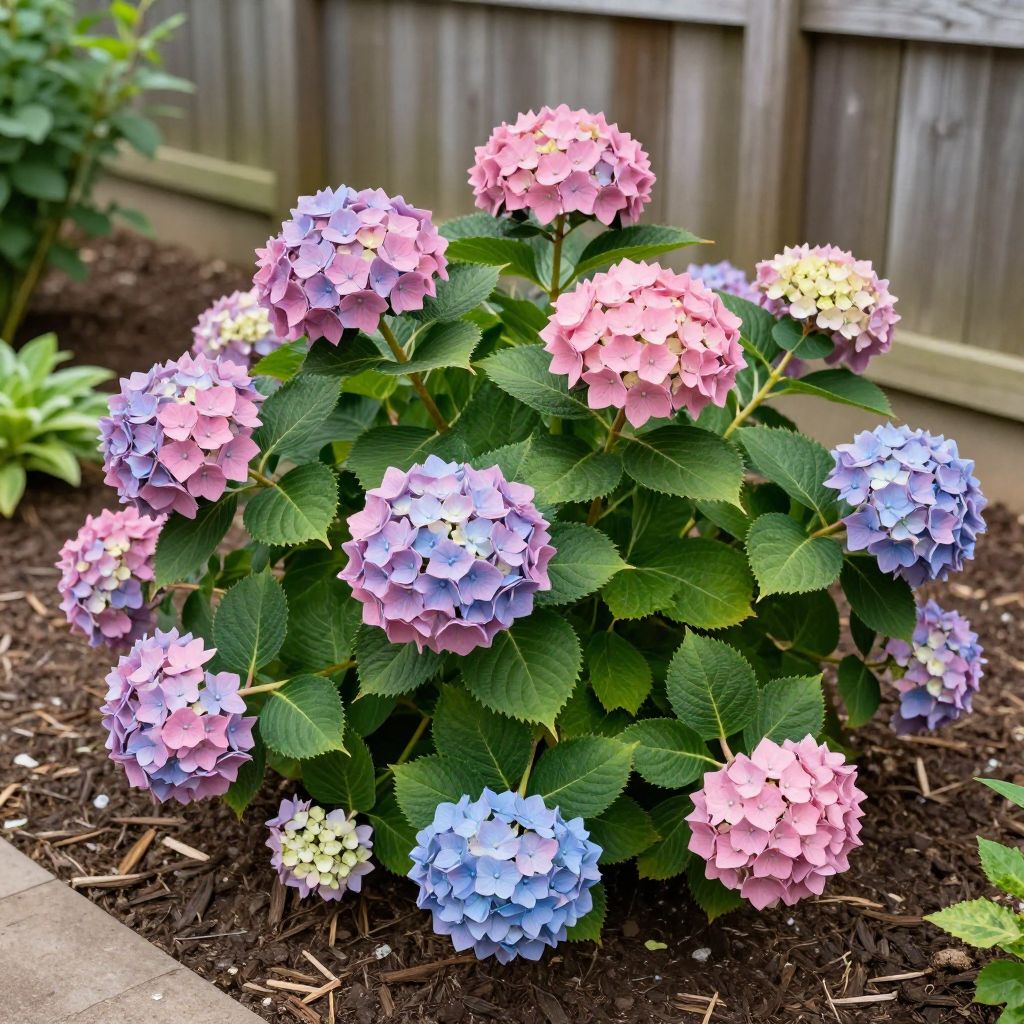
If you’re wondering how to grow Let’S Dance Can Do hydrangea, the good news is that it’s a compact reblooming hydrangea that can fit into smaller gardens and containers when given the right conditions. Like most hydrangeas, it performs best with even moisture, rich soil, and the right balance of sun and shade.
The key is to match its needs to your climate and site. Once established, this plant is usually more forgiving than many gardeners expect, but it still rewards careful planting, steady watering, and light pruning at the right time.
What is Let’S Dance Can Do hydrangea?
Let’S Dance Can Do hydrangea is a reblooming bigleaf hydrangea selection grown for its compact habit and repeat flowering. It is typically used as a landscape shrub or container plant where a smaller hydrangea is needed. Give it moist, well-drained soil, morning sun with afternoon shade, and protection from harsh drying conditions for the best display.
Where should you plant Let’S Dance Can Do hydrangea?
Choose a site with morning sun and afternoon shade in warmer climates, or more sun in cooler regions if the soil stays evenly moist. The plant does best where it is sheltered from hot afternoon exposure, strong wind, and reflected heat from walls or pavement.
Ideal light conditions
- Cooler climates: More sun is usually fine if moisture is reliable.
- Warmer climates: Morning sun and shade later in the day help protect leaves and blooms.
- Too much shade: Can reduce flowering and make stems stretch.
Space and placement
Because this is a compact hydrangea, it works well near patios, foundation beds, mixed borders, and large containers. Still, leave enough room for air movement so foliage dries faster after rain or watering, which helps reduce disease pressure.
How do you plant Let’S Dance Can Do hydrangea?
Plant it in loose, organic-rich soil that drains well but does not dry out too quickly. Dig a hole as deep as the root ball and about 2 times as wide, then backfill with the native soil you removed unless your soil is extremely poor. Avoid burying the crown too deeply.
- Water the plant in its pot before planting.
- Dig a wide hole and rough up compacted sides.
- Set the plant so the top of the root ball is level with or slightly above the surrounding soil.
- Backfill gently and water thoroughly to settle the soil.
- Mulch 2 to 3 inches deep, keeping mulch a few inches away from the stems.
Soil and compost
Hydrangeas generally appreciate soil improved with compost, leaf mold, or other well-finished organic matter. If your soil is sandy, compost helps it hold moisture. If your soil is heavy clay, organic matter improves structure and drainage over time.
Important: Do not create a “bathtub” by filling the planting hole with only rich soil in a heavy clay site. That can trap water and drown roots.
How much water does it need?
Let’S Dance Can Do hydrangea prefers consistent moisture, especially during establishment, hot weather, and flowering. Water deeply when the top inch or two of soil begins to dry, rather than giving frequent shallow sprinkles. The goal is moist soil, not soggy soil.
Watering tips that actually help
- Water at the base of the plant instead of overhead when possible.
- Use mulch to slow evaporation and moderate soil temperature.
- Check potted plants more often, since containers dry out faster than garden beds.
- During heat waves, monitor daily if the plant is in full sun or a windy spot.
If leaves droop in the afternoon but recover by evening, the plant may simply be reacting to heat. If they stay wilted and the soil is dry, it needs water. If the soil is wet and the plant still looks stressed, drainage may be the real problem.
How much sun and shade is best?
Hydrangeas in the Let’S Dance series usually flower best with enough light to support bud production but not so much heat that the foliage struggles. In practice, that often means about 4 to 6 hours of gentler sun, though local conditions matter more than a fixed number.
Signs the light is wrong
- Too much sun: scorched leaf edges, limp foliage, and faster soil drying.
- Too much shade: fewer blooms, weaker stems, and sparse growth.
- Good balance: sturdy growth, healthy leaves, and repeated flowering.
How do you fertilize it without overdoing it?
Use fertilizer sparingly. Hydrangeas usually respond better to moderately fertile soil and compost than to heavy feeding. Too much nitrogen can push leafy growth at the expense of flowers and may make the plant more prone to flopping.
Practical feeding approach
- Top-dress with compost in spring if your soil is lean.
- If needed, use a balanced shrub fertilizer according to the label and your soil conditions.
- Avoid late-season feeding that encourages tender growth before cold weather.
If your plant is healthy but not blooming well, check light, pruning timing, and winter bud damage before assuming it needs more fertilizer.
When and how should you prune Let’S Dance Can Do hydrangea?
Pruning depends on whether the plant blooms on old wood, new wood, or both. Many reblooming bigleaf hydrangeas flower on stems from the current season and sometimes on older stems as well, so heavy pruning can remove flower buds and reduce bloom. When in doubt, prune lightly.
Safe pruning guidelines
- Remove dead, broken, or weak stems first.
- After flowering, lightly shape the plant if needed.
- Avoid cutting back hard in late summer or fall.
- If winter damage occurs, wait until spring to see what survives before making cuts.
For overgrown plants, renew them gradually rather than cutting everything down at once. Remove a few of the oldest stems at the base over time to preserve flowers and reduce stress.
Can you grow Let’S Dance Can Do hydrangea in a container?
Yes, this compact hydrangea can work well in a container if the pot is large enough and you stay on top of watering. Choose a pot with drainage holes and use a high-quality potting mix that holds moisture but still drains freely.
Container care basics
- Use a pot at least 18 inches wide if possible, larger if you want easier moisture management.
- Water more often than you would in the ground, especially in hot weather.
- Raise the pot slightly off the ground so water can escape.
- Protect the container from extreme winter cold where roots are exposed more than in garden soil.
Container-grown hydrangeas may need repotting every few years as roots fill the pot. If growth slows and water runs through too quickly, it may be time to refresh the mix or move up a pot size.
What pests and diseases should you watch for?
Most problems with hydrangeas come from stress, poor airflow, or inconsistent watering rather than serious pests. Still, it helps to inspect leaves and stems regularly, especially in humid weather or crowded plantings.
Common issues
- Aphids: Cluster on tender growth and can distort new leaves.
- Spider mites: More likely in hot, dry conditions; look for stippling and fine webbing.
- Powdery mildew: A white coating on leaves, often worse in humid conditions with poor airflow.
- Leaf spots: Usually cosmetic, but severe cases may signal wet foliage and crowded stems.
Simple prevention
- Water at soil level when possible.
- Keep mulch off the stems.
- Space plants to allow air circulation.
- Remove badly diseased leaves and clean up fallen debris.
If you need to treat a pest or disease, identify the problem first. Many issues improve with better watering habits, pruning for airflow, and reducing plant stress.
How do you propagate it?
Home gardeners sometimes try softwood cuttings, but success depends on timing, sanitation, and humidity. If you want to propagate a hydrangea, take healthy non-flowering stems during active growth and root them in a clean, moist propagation medium.
Basic cutting method
- Take a 4 to 6 inch cutting from a healthy stem.
- Remove the lower leaves and keep the top pair or two.
- Insert the cutting into a moist, well-draining mix.
- Keep humidity high and light bright but indirect.
- Do not let the medium dry out completely.
Propagation can take patience. If you are new to it, start with one or two cuttings rather than trying to root many at once.
Why isn’t it blooming?
When a Let’S Dance Can Do hydrangea fails to bloom, the cause is often one of a few common issues: too much shade, pruning at the wrong time, winter bud damage, drought stress, or too much nitrogen. The plant may still be healthy, but flower production can lag.
Troubleshooting checklist
- Check whether the plant gets enough light.
- Review when and how you pruned it.
- Look for winter injury on stems and buds.
- Make sure soil moisture is steady during summer.
- Avoid heavy fertilizer applications.
Sometimes a newly planted hydrangea needs a season to settle in before it flowers strongly. If the plant is still establishing, focus on roots and overall health first.
How do you care for it through the seasons?
Seasonal care matters because hydrangeas respond quickly to weather changes. A little attention at the right time can make the difference between a stressed shrub and a full, repeat-blooming one.
Spring
- Remove winter-damaged stems after new growth appears.
- Refresh mulch and add compost if needed.
- Watch for new growth that may be vulnerable to late cold snaps.
Summer
- Water deeply during dry spells.
- Deadhead lightly if you want to tidy spent blooms.
- Monitor for sun scorch and heat stress.
Fall
- Reduce feeding and avoid hard pruning.
- Keep watering during dry autumn weather.
- Leave some stems intact if they may help protect buds in colder regions.
Winter
- Mulch the root zone after the ground cools.
- Protect exposed plants from drying winds.
- In colder climates, consider extra shelter for container plants.
Common mistakes to avoid
- Planting in full hot sun without enough moisture.
- Using heavy clay soil with poor drainage and no amendment.
- Letting the plant dry out repeatedly during summer.
- Pruning too hard or at the wrong season.
- Overfertilizing and getting lots of leaves but few flowers.
Final growing advice
To grow Let’S Dance Can Do hydrangea successfully, focus on the basics: rich soil, steady moisture, partial sun, and light pruning. If you get those conditions right, this compact hydrangea can become a dependable flowering shrub in the garden or a standout container plant.
If you want to keep learning about hydrangea care, look for more guidance on hydrangea pruning and container gardening tips to match your climate and planting style.