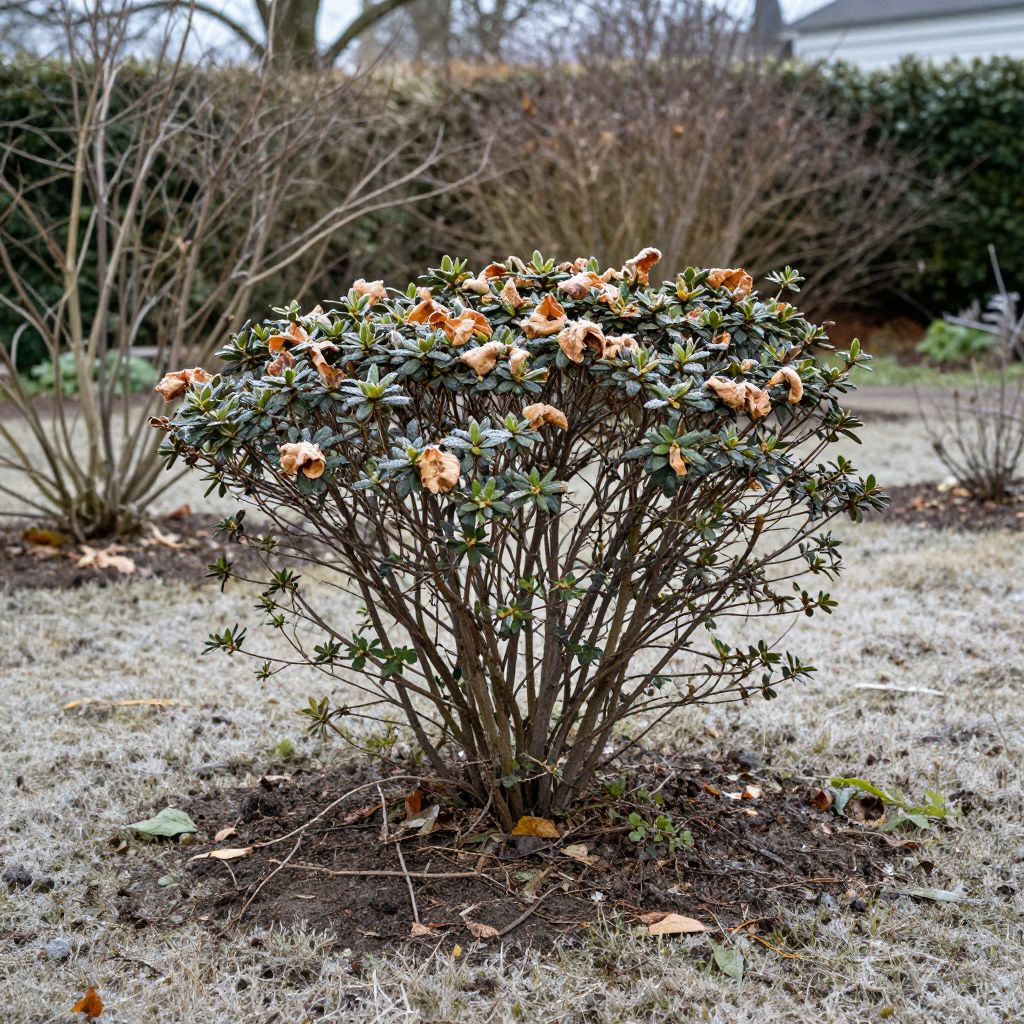
Wondering what do azaleas look like in winter? In many gardens, azaleas don’t disappear completely, but they do change a lot. Depending on the type, climate, and weather, you may see evergreen leaves, bronze or purple foliage, bare stems, or tightly set buds waiting for spring.
That winter look is normal, but it can also tell you whether the plant is healthy, stressed, or damaged. Knowing what to expect helps you avoid overwatering, overpruning, and mistaking natural winter color changes for disease.
What do azaleas look like in winter?
Azaleas in winter may look evergreen, semi-evergreen, or deciduous depending on the variety. Evergreen azaleas usually keep some or most leaves, often with bronzy, reddish, or purple tints in cold weather. Deciduous azaleas drop their leaves and appear leafless, with buds visible on the stems.
Why azaleas change appearance in cold weather
Winter affects azaleas mainly through temperature, light, and moisture. Shorter days slow growth, cold can darken foliage, and dry winds may cause leaf curl or scorch. These changes are often protective, not necessarily a sign of failure.
Evergreen azaleas
Evergreen azaleas, often in the Rhododendron group, usually keep leaves through winter. In colder weather, the leaves may look duller than in summer and sometimes turn bronze, burgundy, or purplish.
That color shift is often a normal stress response to cold and sun exposure. A healthy plant should still have firm stems and buds, even if the foliage looks less lush.
Deciduous azaleas
Deciduous azaleas lose their leaves in autumn, so in winter they may look bare and twiggy. This is expected. The stems should still hold plump flower buds, which are usually more obvious once the leaves are gone.
If the stems are brittle and the buds shrivel, the plant may have suffered from drought, severe cold, or root damage.
Leaf color changes you may notice
- Bronzing or purple tint: common in cold weather, especially on exposed plants.
- Yellowing leaves: may signal poor drainage, root stress, or nutrient issues.
- Brown leaf edges: often caused by winter wind, sun, or dry soil.
- Leaf drop: normal for deciduous types, but not usually for healthy evergreen azaleas unless stressed.
How to tell healthy winter azaleas from damaged ones
A winter azalea can look rough and still be perfectly alive. Check the stems, buds, and roots rather than judging by leaf color alone. Healthy twigs are usually flexible, and buds should feel firm, not dry and brittle.
Signs your azalea is fine
- Buds are swollen and firm.
- Stems bend slightly instead of snapping immediately.
- Evergreen leaves remain attached, even if they are bronzed.
- There is no large-scale dieback from the tips inward.
Signs of winter injury
- Leaves are curled, dry, and crispy.
- Stems are brown and brittle under the bark.
- Many buds have turned brown or fallen off.
- Branches die back after a hard freeze or dry winter wind.
If you are unsure, scratch a small section of bark on a stem with your fingernail. Green tissue underneath usually means the stem is still alive.
What azalea buds look like in winter
One of the most useful winter clues is the buds. Flower buds are usually rounder and fuller than leaf buds, and they sit at the tips of stems or in leaf joints depending on the type. In late winter, they may look plump and ready to open when temperatures rise.
Do not confuse flower buds with damage. Healthy buds should be firm and attached. If they dry out or turn brown, the plant may still survive, but flowering can be reduced.
How winter weather affects buds
- Cold snaps: can damage buds that were already swelling early.
- Dry wind: can desiccate buds and leaves.
- Late sun after frost: may cause leaf scorch on evergreen types.
- Repeated freeze-thaw cycles: can stress stems and buds.
Winter care for azaleas
Good winter care is mostly about preventing stress. Azaleas prefer evenly moist, well-drained soil and shelter from harsh sun and wind. They do not like sitting in wet ground, but they also should not dry out completely.
Watering in winter
Water only when the soil is dry a few inches down and the ground is not frozen. This is especially important for evergreen azaleas, which can lose moisture through their leaves even in cold weather.
- Check soil moisture near the root zone, not just the surface.
- Water on a mild day if the plant is dry.
- Water slowly so it soaks in rather than running off.
- Avoid watering late in the day if freezing temperatures are expected soon.
Do not keep winter soil soggy. Poor drainage can damage roots faster than cold air can damage leaves.
Mulching correctly
A 2- to 3-inch layer of mulch helps protect roots from temperature swings and moisture loss. Use pine bark, pine needles, shredded leaves, or similar acidic organic mulch if it suits your garden.
Keep mulch a few inches away from the trunk or main stems. Piling mulch against the plant can trap moisture and invite rot.
Sun and wind protection
Azaleas do best with morning sun and afternoon shade in many climates. In winter, exposed plants may need protection from drying winds and strong afternoon sun, especially if the soil is frozen and roots cannot replace lost moisture.
If your azalea is in a very open spot, a burlap windbreak or placement near a sheltered fence, shrub, or building can reduce winter damage.
Should you prune azaleas in winter?
In most cases, no. Winter is usually not the right time for major pruning. Pruning too early can remove flower buds on spring-blooming azaleas and expose fresh cuts to cold injury.
What to do instead
- Remove only clearly dead, broken, or diseased wood.
- Wait until after flowering for shaping, if your azalea blooms in spring.
- Use clean, sharp pruners to make tidy cuts.
If you need to reduce size, it is usually safer to do light corrective pruning after bloom rather than during winter dormancy.
Common winter problems and how to fix them
Leaf scorch
Leaf scorch shows up as brown, dry edges or patches on evergreen azaleas. It is often caused by wind, sun, and dry soil rather than a disease.
Fix it by watering during dry spells, improving mulch cover, and giving the plant more shelter if possible. Damaged leaves usually do not recover, but new growth in spring can replace them.
Yellow leaves
Yellowing in winter can mean root stress, poor drainage, or soil that is too alkaline for azaleas. These shrubs prefer acidic, well-drained soil.
If yellowing is widespread and the plant is not thriving, check drainage first. If the soil stays wet after rain, the problem may be root suffocation rather than lack of fertilizer.
Bud drop or poor flowering
Few flowers in spring may result from winter bud injury, pruning at the wrong time, drought in late summer or fall, or a very exposed site.
To reduce the risk next year, keep the plant evenly watered before freeze-up, avoid late pruning, and protect it from harsh winter exposure where possible.
Winter dieback
Some branch dieback can happen after severe cold, especially on young plants or less hardy types. Trim dead wood back to healthy tissue in spring once you can clearly see what survived.
How to help azaleas recover in spring
Once temperatures rise, inspect the plant carefully. Remove dead twigs, refresh mulch if needed, and resume normal care as new growth begins. Avoid heavy fertilizing too early; wait until the plant is actively growing and your local conditions support root uptake.
Spring is also the best time to assess whether the plant needs more shade, better drainage, or a different location. A winter-stressed azalea often improves quickly when its growing conditions are corrected.
Growing conditions that help azaleas look better in winter
The best winter appearance starts with good planting conditions. Azaleas do best in acidic, humus-rich soil with steady moisture and excellent drainage. They struggle in heavy clay, compacted soil, or sites that bake in winter sun and wind.
- Soil: loose, organic, and slightly acidic.
- Drainage: fast enough that roots never sit in water.
- Light: filtered sun or morning sun with afternoon shade.
- Spacing: enough air movement to reduce disease, but not so exposed that winter winds hammer the plant.
If you are planting new azaleas, choose a site with some winter shelter. That one decision often makes the difference between bronzed but healthy foliage and repeated winter damage.
Quick winter azalea checklist
- Expect evergreen leaves to bronze slightly in cold weather.
- Expect deciduous azaleas to look bare in winter.
- Check buds for firmness and attachment.
- Water only when needed and only if the soil is not frozen.
- Use mulch, but keep it off the stems.
- Avoid major pruning until after bloom.
- Watch for wind scorch, not just cold damage.
So, what do azaleas look like in winter? They may be leafy, bronzed, bare, or bud-covered, and all of those can be normal depending on the type. If you want to keep yours looking their best, focus on moisture, mulch, drainage, and shelter now so the plant is ready to burst into growth when spring returns.
If you want to keep learning, a helpful next step is reading more about azalea care basics and winter mulching for shrubs.