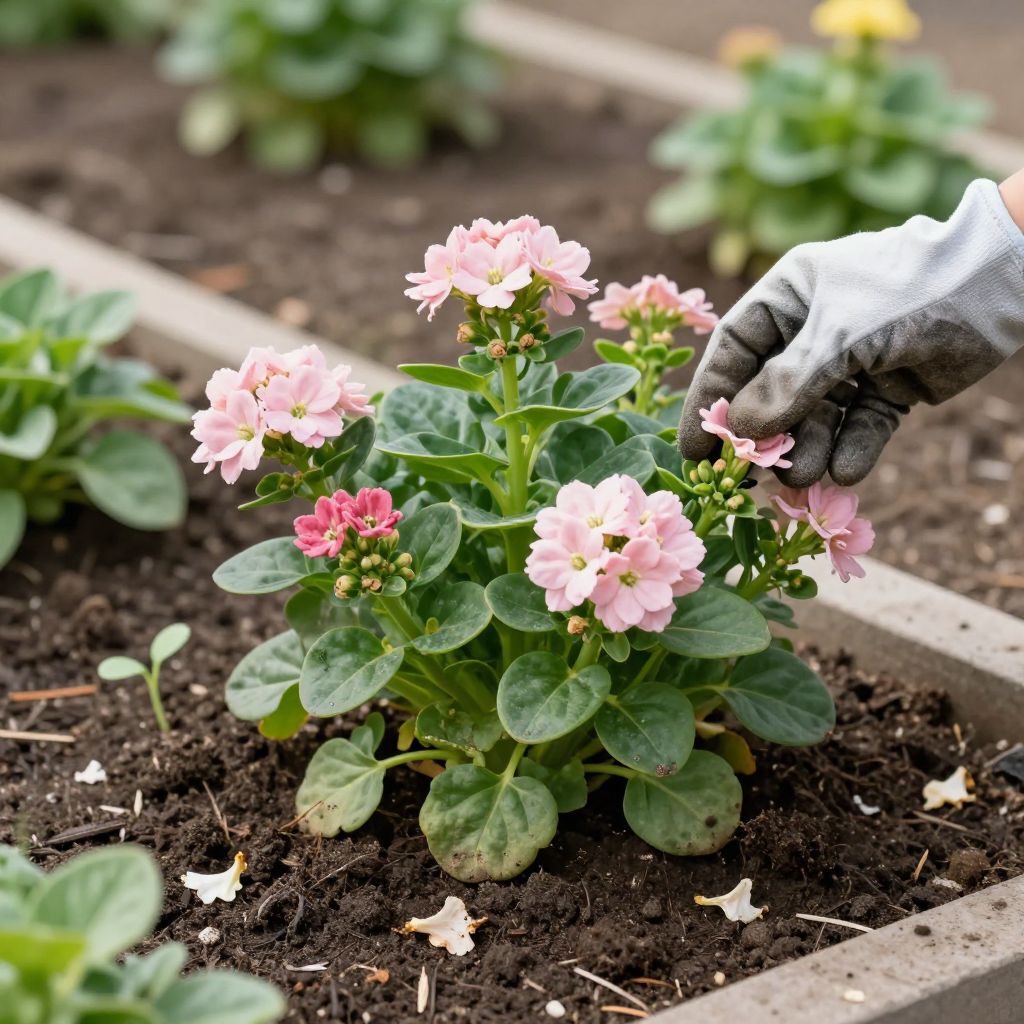
If you’ve seen a plant labeled “annual” and wondered what that really means, you’re not alone. In gardening, the term tells you a lot about how long the plant lives, when it flowers, and how to plan your beds, pots, and seasonal cleanup.
Understanding annuals helps you choose the right plants for your climate, avoid wasting money on short-lived plants, and get better results from sowing, transplanting, and replanting each year.
What does annual plant mean?
An annual plant is a plant that completes its entire life cycle in one growing season: it germinates, grows, flowers, sets seed, and dies within a year or less. Annuals are replanted each season, unlike perennials, which return for multiple years, and biennials, which usually take two years to finish their cycle.
How to identify an annual plant
Annuals are identified by their life span, not by one single look. Many have fast growth, abundant flowers, and a strong push to produce seed quickly because they only have one season to reproduce.
Common signs a plant may be annual
- It grows, blooms, and declines in the same season.
- It is often sold as bedding plants, summer color, or seasonal vegetables.
- It may die after frost, heat stress, or seed set.
- It usually needs replanting every year in cold climates.
Examples of common annuals
- Flowers: marigold, zinnia, petunia, cosmos, calendula, impatiens
- Vegetables: lettuce, radish, beans, peas, corn, cucumber, tomato, basil
- Herbs: cilantro and dill are often grown as annuals in many gardens
Some plants are annual in one climate and perennial in another. For example, a plant may survive year-round in a mild region but be treated as an annual where winters are cold.
Annual vs. perennial vs. biennial
Knowing the difference helps you plan your garden correctly. The plant’s life cycle affects when you plant it, how long it lasts, and whether you should expect it to return next year.
- Annual: one season, then it dies after flowering and seeding.
- Perennial: lives for several years and regrows from the same root system.
- Biennial: grows leaves the first year, flowers and sets seed the second year, then dies.
Gardeners sometimes confuse these because a plant can behave differently depending on climate. Check the plant tag, seed packet, or local extension guidance if you are unsure.
Why gardeners use annual plants
Annuals are popular because they give quick results. They are useful when you want fast color, a short-term harvest, or a flexible planting plan that changes from season to season.
Best uses for annuals
- Adding color to beds, borders, and containers
- Filling gaps while shrubs or perennials mature
- Growing quick crops in a vegetable garden
- Refreshing a landscape design each year
- Trying new varieties without a long-term commitment
Annuals are especially helpful in containers because you can swap them out when they stop blooming or when the season changes.
How to grow annual plants successfully
Most annuals do best when you match them to your local weather, sunlight, and soil conditions. Since they grow quickly, they also respond quickly to stress, so good planting conditions matter.
1. Choose the right site
Read the plant label for sun requirements. Many flowering annuals need full sun, while others prefer part shade. Vegetable annuals also vary widely, so place them where they will get the light they need.
- Full sun: usually 6 or more hours of direct sun daily
- Part shade: often 3 to 6 hours of sun, or filtered light
- Shade: limited direct sun, often under trees or on north-facing sites
2. Prepare the soil
Annuals grow best in soil that drains well but still holds some moisture. Before planting, loosen compacted soil and mix in compost to improve structure and nutrient availability.
- Work in 2 to 3 inches of compost for garden beds when needed.
- Avoid planting into heavy, waterlogged soil without improving drainage.
- For containers, use a quality potting mix rather than garden soil.
Good drainage is especially important for annuals because many have shallow roots and dislike sitting in soggy soil.
3. Plant at the right time
Timing depends on whether the annual is a cool-season or warm-season plant. Cool-season annuals can handle cooler weather, while warm-season annuals should wait until frost danger has passed and soil has warmed.
- Cool-season annuals: often planted in early spring or late summer, depending on your region
- Warm-season annuals: usually planted after the last frost in spring
If you are unsure of your frost dates, use your local climate data as a guide rather than relying on a calendar alone.
4. Water correctly
Newly planted annuals need regular moisture until roots establish. After that, water based on weather, soil type, container size, and plant needs rather than on a fixed schedule.
- Water deeply so moisture reaches the root zone.
- Let the top layer of soil dry slightly between waterings for many ornamental annuals.
- Container plants dry out faster than in-ground plants and may need more frequent checks.
Overwatering can be just as damaging as drought. Yellow leaves, limp growth, and root rot often point to soil that stays too wet.
5. Feed lightly and appropriately
Many annuals benefit from compost at planting time. Some flowering annuals and vegetables may need additional feeding during the season, especially in containers or poor soil.
Use fertilizer based on the plant type and product directions, and avoid overfeeding. Too much nitrogen can produce lush leaves with fewer flowers or fruits.
Common problems with annual plants
Because annuals move through their life cycle quickly, problems show up fast. Catching them early helps you keep the plant productive and attractive for as long as possible.
Wilting
Wilting can mean underwatering, heat stress, root damage, or too much water. Check the soil first. If it is dry, water deeply; if it is wet, improve drainage and reduce watering frequency.
Poor flowering
Annuals may bloom poorly if they do not get enough sun, if they are overfed with nitrogen, or if spent flowers are not removed. Deadheading can encourage more blooms in many flowering annuals.
Leggy growth
Long, stretched stems usually mean the plant needs more light. Pinching back some annuals when young can create bushier growth and more flowers.
Pests and disease
Common pests include aphids, whiteflies, spider mites, and caterpillars. Fungal problems often appear in crowded, poorly ventilated plantings or where leaves stay wet for long periods.
- Space plants properly to improve air circulation.
- Water at the base when possible.
- Remove damaged leaves and spent flowers.
- Inspect the undersides of leaves for pests.
Healthy, well-spaced annuals usually have fewer problems than stressed plants.
Pruning, pinching, and deadheading annuals
Many annuals benefit from light maintenance during the season. These simple tasks can improve shape, prolong bloom, and reduce the chance of disease.
Pinching
Pinching means removing the growing tip of a young plant to encourage branching. This works well on many bedding plants and herbs, but not on every species.
Deadheading
Deadheading is removing faded flowers before they set seed. This can keep many annual flowers blooming longer because the plant keeps producing new buds instead of focusing on seed production.
Cutting back
If a plant becomes ragged or leggy, a light trim may help it recover. Use clean pruners or scissors, and avoid cutting into diseased tissue.
Propagating annual plants
Most annuals are grown from seed, which is one reason they are so popular and affordable. Some are also sold as transplants for a head start on the season.
Growing annuals from seed
- Use a seed-starting mix or fine, clean potting medium.
- Follow the packet instructions for planting depth.
- Keep the medium evenly moist, not saturated.
- Provide the right temperature and light for germination.
- Harden off seedlings before moving them outdoors.
Direct sowing works well for many annual flowers and vegetables, but some need a longer indoor start in cooler climates.
Transplanting annuals
When transplanting, handle seedlings gently and disturb the roots as little as possible. Water after planting to settle the soil around the roots.
Annuals in containers and small gardens
Annual plants are excellent for pots, window boxes, and small spaces because they provide fast color and can be changed each season. Container-grown annuals need closer attention than garden-bed plantings.
- Choose containers with drainage holes.
- Use a potting mix designed for containers.
- Check moisture often, especially in hot or windy weather.
- Group plants with similar sun and water needs together.
In small gardens, annuals are useful for filling bare spots between slower-growing perennials or shrubs.
What happens at the end of the season?
As annuals finish their life cycle, they often slow down, produce fewer flowers, and begin to decline. In cold climates, frost usually ends warm-season annuals. In warm climates, heat or seasonal disease pressure may shorten their display.
You can remove spent annuals, compost healthy plant material if appropriate, and prepare the bed for the next crop or planting. If the plant has gone to seed and you want volunteers next year, let some seed heads mature before cleanup.
Common mistakes to avoid
- Assuming every annual needs the same amount of sun or water
- Planting warm-season annuals too early in cold soil
- Letting containers dry out completely for long periods
- Using garden soil in pots, which can compact and drain poorly
- Overfertilizing and getting lots of leaves but few flowers
- Ignoring spent blooms and crowded growth
Quick takeaway for gardeners
When you ask, “What does annual plant mean,” the simple answer is that it is a plant that lives for one season, flowers, sets seed, and dies. Once you know that, you can choose annuals for fast color or harvest, give them the right conditions, and plan to replant them each year.
If you want to compare plant life cycles in more detail, a helpful next step is to read about annual vs. perennial plants and how to grow annual flowers.