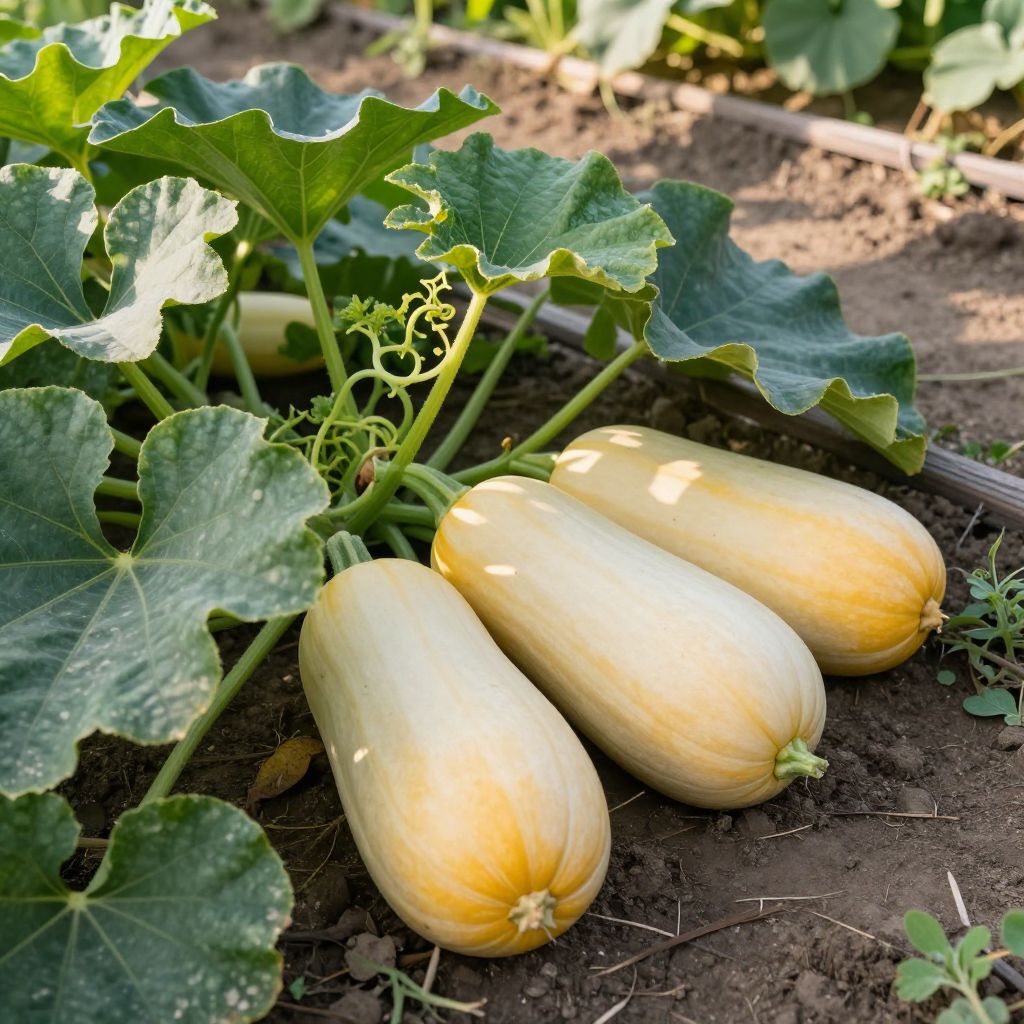
Wondering when is spaghetti squash in season, and how to tell when it’s actually ready to harvest? The answer depends on both the calendar and the plant itself. Spaghetti squash is a warm-season crop that matures in late summer to fall, but the best harvest time is when the rind is hard and the vines begin to fade.
If you grow it yourself, timing is even more important than the date on the calendar. Weather, planting time, and variety all affect when the squash is ready, so learning the signs of maturity will help you harvest at peak quality and store it well.
When is spaghetti squash in season?
Spaghetti squash is typically in season from late summer through fall, with peak harvest in many gardens from August to October. In stores, it may be available for longer because it stores well after harvest. The exact timing depends on your climate, when you planted, and how warm the growing season has been.
How to tell when spaghetti squash is ready to harvest
Don’t rely on size alone. A mature spaghetti squash should have a hard rind, a deep yellow to golden color, and a dried or browning stem. If you can press your thumbnail into the skin, it is usually not ready yet.
Look for these ripening signs
- Skin is hard and resists scratching.
- Color changes from pale green to yellow or golden yellow, depending on the variety.
- Stem becomes dry and corky.
- Vines start to decline as the plant finishes its life cycle.
- Fruit sounds dull and solid when tapped lightly.
If frost is approaching, harvest even if the squash is only nearly mature. A light frost can damage the fruit, and a hard frost can shorten storage life.
Typical growing season for spaghetti squash
Spaghetti squash is a warm-season crop that needs a long growing period. Most varieties take about 90 to 110 days from planting to harvest, though the exact number varies. That means you need to count backward from your expected first frost date when planning your planting time.
Outdoor planting timing
In most climates, sow seeds outdoors only after the soil has warmed and all danger of frost has passed. Cool soil slows germination and can rot seeds before they sprout.
- Soil temperature: ideally at least 60°F, with better germination in warmer soil.
- Air temperature: consistently warm days and frost-free nights.
- Growth habit: sprawling vines that need room or a sturdy support system.
If your growing season is short, start seeds indoors in biodegradable pots a few weeks before transplanting, then move them outside once the weather is reliably warm. Handle roots gently, since squash can resent disturbance.
Best growing conditions for a healthy harvest
Healthy plants are more likely to mature on time and produce well-formed fruit. Spaghetti squash does best in full sun, rich soil, and steady moisture without waterlogging.
Sunlight and spacing
Give plants at least 6 to 8 hours of direct sun each day. More sun usually means stronger vines and better fruit ripening. Space plants generously so air can move through the foliage and reduce disease pressure.
Soil and compost
Use loose, fertile soil that drains well. Before planting, work in compost to improve structure and moisture retention. Squash roots perform best in soil that stays evenly moist but never soggy.
- Choose a site with good drainage.
- Mix in compost or well-rotted organic matter.
- Avoid heavy, compacted soil that stays wet after rain.
Watering
Water deeply and consistently, especially while vines are growing and fruit is forming. Irregular watering can stress plants, reduce fruit size, and contribute to blossom-end issues or poor development.
Try to water at the soil level rather than overhead. Wet leaves encourage fungal diseases, especially in humid weather.
How to grow spaghetti squash from seed
Direct sowing is the simplest method in warm climates. If you have a shorter season, indoor starting can give you a head start, but transplant carefully.
Direct sowing outdoors
- Wait until the soil is warm and frost risk has passed.
- Plant seeds about 1 inch deep.
- Space seeds according to the variety’s mature spread.
- Keep the soil evenly moist until seedlings emerge.
- Thin to the strongest plants once seedlings are established.
Starting indoors
- Sow seeds in biodegradable pots 2 to 4 weeks before transplanting.
- Use a warm, bright location or grow lights.
- Keep seedlings from becoming rootbound.
- Harden off plants gradually before moving them outside.
- Transplant carefully to avoid disturbing roots.
Squash seedlings grow quickly, so don’t start them too early indoors. Overgrown seedlings often transplant poorly and may stall after planting out.
Pollination and fruit set
Even if your plants look healthy, poor pollination can delay harvest or cause misshapen fruit. Spaghetti squash produces separate male and female flowers, and pollinators help move pollen between them.
Encouraging better pollination
- Grow flowers nearby to attract bees and other pollinators.
- Avoid broad-spectrum insecticides during bloom.
- Water plants consistently so flowers stay healthy.
- If needed, hand-pollinate early in the morning using a small brush or by transferring pollen from male to female flowers.
Female flowers have a small swelling at the base that looks like a tiny squash. If that swelling turns yellow and drops off, pollination likely failed.
Common problems that affect harvest timing
Several issues can slow ripening or reduce the quality of your crop. Catching them early helps you salvage the season and improve next year’s planting.
Pests
Common squash pests include squash bugs, cucumber beetles, and vine borers. These pests can weaken vines, reduce fruit set, or cause plants to collapse before the squash matures.
- Inspect leaves and stems regularly.
- Remove egg clusters and damaged foliage when practical.
- Use row covers early in the season, but remove them when flowers appear so pollinators can reach the plants.
- Keep the garden clean to reduce hiding places for pests.
Diseases
Powdery mildew is one of the most common fungal problems on squash. It often appears as a white coating on leaves and can reduce the plant’s ability to ripen fruit fully.
- Water at the base, not overhead.
- Give plants enough space for airflow.
- Remove heavily infected leaves if the disease is spreading.
- Rotate crops each year if possible.
Too much nitrogen
Excess nitrogen can produce large, leafy vines with few fruits. If your plants are lush but not setting squash, the soil may be too rich in nitrogen or the plant may be getting too much fertilizer.
In that case, focus on balanced soil health rather than pushing more leafy growth. Compost is usually a safer long-term amendment than heavy feeding.
Harvesting spaghetti squash the right way
Use clean pruners or a sharp knife to cut the squash from the vine, leaving a short stem attached if possible. A stem helps the fruit store longer and reduces the risk of rot.
Harvesting tips
- Harvest before hard frost if the fruit is mature enough.
- Leave a few inches of stem attached.
- Handle fruit gently to avoid bruising or skin damage.
- Do not twist or tear the squash from the vine.
After harvest, let the squash cure in a warm, dry, well-ventilated place for about 1 to 2 weeks if conditions allow. Curing can help toughen the skin and improve storage life.
Storing spaghetti squash after harvest
One reason spaghetti squash is so useful in the garden is that it stores well. Keep cured fruit in a cool, dry place with good air circulation. Avoid damp basements or areas where the skin may stay wet.
Check stored squash regularly and use any fruit with soft spots or damage first. Properly cured and stored squash can keep for weeks or even longer, depending on conditions and how mature it was at harvest.
How to adapt timing to your climate
Because “in season” depends on where you live, use your local frost dates and summer temperatures as your guide. Gardeners in warm climates may harvest earlier and over a longer period, while cooler regions often see a shorter, later season.
Simple timing rule
Count backward from your first expected frost date by the number of days listed on your seed packet, then add a little buffer for cool weather or slower growth. If the plant is slow to mature, protect it from frost and harvest as soon as the rind hardens enough.
If you garden in containers, use a large pot, rich potting mix, and strong support if you grow vertically. Container plants can mature well, but they usually need more frequent watering and close monitoring because soil dries faster.
Conclusion: watch the plant, not just the calendar
When is spaghetti squash in season? In most gardens, it’s ready from late summer into fall, but the best harvest time is when the skin is hard, the color has deepened, and the stem has dried. Check your plants often, harvest before frost, and you’ll get better flavor and storage life.
For more seasonal growing guidance, you may also want to read about how to know when winter squash is ready to harvest and tips for growing squash in a home vegetable garden.