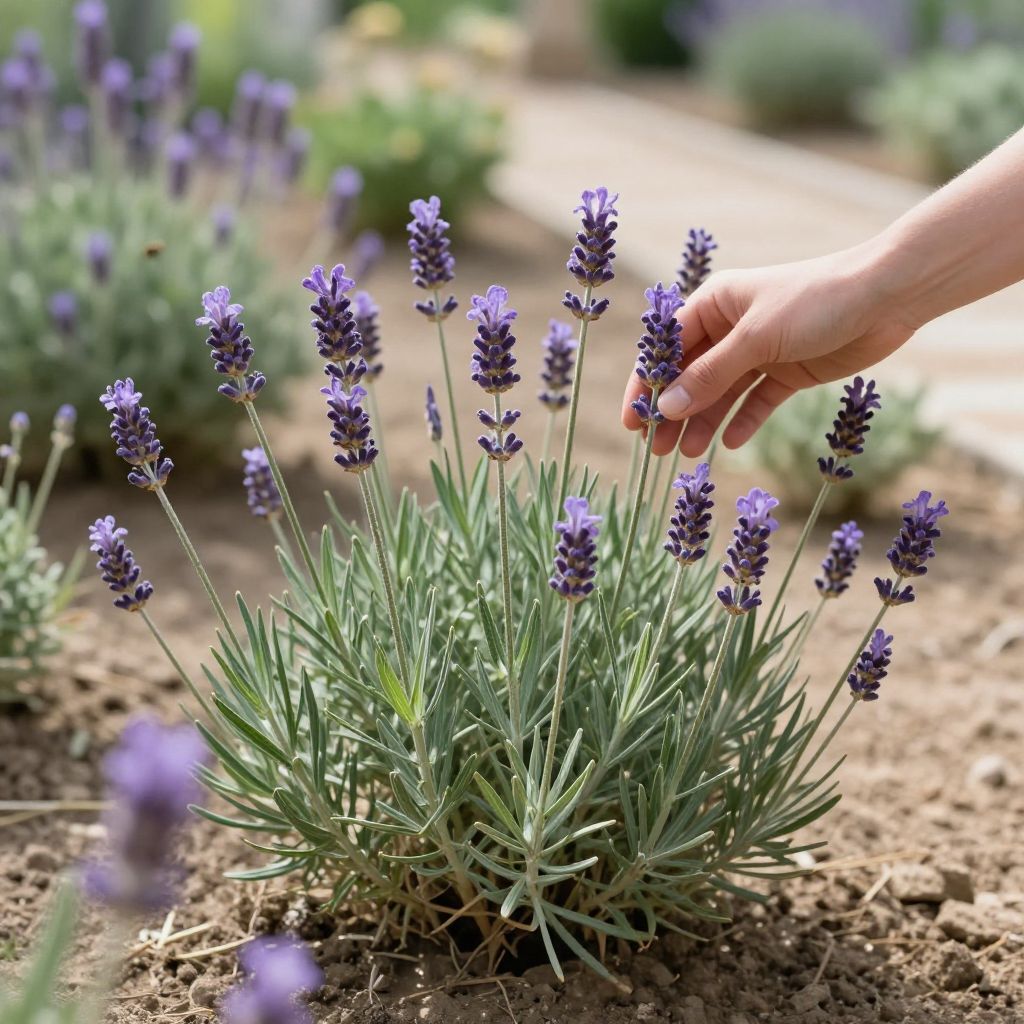
What does lavender smell like? If you’re trying to identify a plant in the garden, the answer is usually a clean, herbal fragrance with sweet floral notes and a touch of camphor or pine. It can smell fresh, calming, and slightly sharp at the same time, depending on the species, the weather, and how mature the flowers are.
That scent is part of what makes lavender such a favorite in borders, herb gardens, and containers. Once you know what to look for, you can identify true lavender more confidently and grow it in conditions that help the fragrance develop well.
What does lavender smell like?
Lavender typically smells floral, herbal, and lightly sweet, with a fresh, clean edge. Many plants also have a subtle camphor, resin, or minty note, especially when the leaves are rubbed. The exact scent varies by species, cultivar, heat, sunlight, and how much oil the plant has produced.
How to recognize lavender by scent and appearance
Lavender is easiest to identify when you combine smell with the plant’s form. The fragrance alone can be similar to other aromatic herbs, but true lavender has a distinctive balance of sweetness and sharpness.
Common scent clues
- Flowers: soft, sweet, floral, and slightly herbal
- Leaves: stronger green scent, often more resinous or camphor-like
- Crushed stems: a brisk, aromatic smell that is less sweet than the blooms
- Overall impression: clean, relaxing, and fresh rather than spicy or citrusy
What lavender is not likely to smell like
- Not strongly citrusy, like lemon balm or lemon verbena
- Not pungently onion-like, like chives
- Not heavily minty, though some varieties may have a faint mint note
- Not deeply spicy or clove-like
Why lavender scent changes
If you’ve smelled one lavender plant and thought it was amazing, then found another that seemed faint or sharp, that’s normal. Lavender scent changes with plant type, climate, and harvest stage.
Species and cultivar differences
Different lavender species and hybrids produce different fragrance profiles. Lavandula angustifolia is often prized for a sweeter, softer scent, while some lavandins and other types can smell more camphoraceous or medicinal.
Weather and growing conditions
Lavender usually smells strongest in warm, sunny weather after the plant has had time to dry a little. Cool, cloudy, or overly wet conditions can make the scent seem weaker. Stress from poor drainage or too much shade can also reduce fragrance.
Plant age and flowering stage
Young plants may not have much scent yet. The fragrance is often best when the flowers are open but not fully faded. Overmature blooms can smell flatter, while buds may be less fragrant than fully opening flowers.
How to grow lavender for the best fragrance
If you want lavender that smells strongly and pleasantly, focus on sun, drainage, and moderate care. Fragrance is usually better on plants that are healthy but not overfed or overwatered.
Sunlight
Lavender needs full sun in most gardens. Aim for at least 6 to 8 hours of direct sun daily if possible. More sun usually means better flowering, stronger stems, and better scent.
Soil and drainage
Lavender prefers soil that drains quickly. Heavy, wet soil can weaken roots and reduce plant vigor, which affects fragrance and flowering. If your soil stays soggy after rain, consider raised beds, mounds, or containers with excellent drainage.
- Use a gritty, loose soil structure
- Avoid planting in low spots where water collects
- Mix in compost sparingly if soil is very poor, but do not make it rich and heavy
- In containers, use a free-draining potting mix rather than dense garden soil
Watering
Lavender is drought-tolerant once established, but young plants need regular watering until roots settle in. Water deeply, then let the soil dry somewhat before watering again. Constantly damp soil is one of the quickest ways to reduce plant health.
Tip: If the plant smells weak and looks lush but floppy, it may be getting too much water or too much fertility.
Fertilizer and compost
Lavender usually does better with modest feeding than with rich, frequent fertilizing. Too much nitrogen can lead to leafy growth with less fragrance and fewer flowers. If your soil is very poor, a small amount of compost at planting time is usually enough.
Planting lavender in the garden or pots
Lavender works well in borders, herb gardens, rock gardens, and containers. The key is to match the planting method to your climate and soil.
In the ground
- Choose a sunny site with excellent drainage.
- Loosen the soil and remove weeds before planting.
- If drainage is poor, plant on a slight mound or raised bed.
- Space plants so air can move around them.
- Water after planting, then monitor moisture carefully as roots establish.
In containers
Container growing can be a good option if your garden soil is heavy or wet. Use a pot with drainage holes and a mix that drains quickly. Containers dry out faster than garden beds, so check them more often during hot weather.
- Choose a pot large enough for root growth
- Never let the pot sit in standing water
- Rotate the container if one side gets less sun
- Trim lightly to keep the plant compact and balanced
Pruning and harvesting for stronger scent
Regular pruning helps lavender stay dense, healthy, and productive. It also encourages fresh growth, which supports flowering and fragrance.
When to prune
Prune after flowering or lightly during the growing season, depending on your climate and plant type. Avoid cutting into old, leafless wood on established plants, because lavender may not regrow well from that area.
How to harvest flowers
- Cut stems when several flowers on the spike have opened but before they are fully spent.
- Harvest on a dry day after morning dew has evaporated.
- Use clean, sharp pruners to avoid crushing stems.
- Bundle stems loosely if you plan to dry them.
Freshly cut flowers often smell strongest right away. Dried lavender keeps a pleasant scent, though it becomes softer and less bright over time.
Common problems that weaken lavender fragrance
If your lavender doesn’t smell as strong as expected, the issue is often cultural rather than genetic. Check the plant’s growing conditions before assuming it is the wrong type.
Too much shade
Lavender in shade often becomes leggy and less fragrant. Move potted plants to a brighter spot, or prune surrounding plants that are blocking the sun.
Poor drainage
Wet feet can cause root stress, yellowing, and weak growth. Improve drainage with raised planting, gritty soil, or containers. If the plant is already declining, inspect roots and remove any rotting material if possible.
Overfertilizing
Rich feeding can produce lots of green growth but fewer flowers and less scent. If you’ve been fertilizing heavily, stop and let the plant recover in leaner conditions.
Incorrect plant type
Some plants sold as lavender may be different aromatic species or hybrids with a less familiar scent. If fragrance is important to you, look for true lavender types and read plant labels carefully.
Pests and diseases to watch for
Lavender is generally hardy, but stressed plants are more likely to have problems. Good airflow, sun, and drainage are the best prevention.
Common issues
- Root rot: often linked to wet soil and poor drainage
- Fungal leaf problems: more likely in humid, crowded, or poorly ventilated spots
- Aphids: can cluster on soft new growth, especially on stressed plants
- Spittlebugs or other sap-feeding insects: usually minor but worth checking for on new shoots
Remove badly affected stems, improve airflow, and avoid overhead watering when possible. Healthy lavender usually recovers better than crowded, overwatered plants.
How to use lavender in a fragrance-focused garden
Lavender is especially useful where you want scent near paths, seating areas, or entrances. Plant it where you can brush past the foliage and enjoy the aroma on warm days.
- Along walkways and borders
- In herb gardens near the kitchen
- In containers by a patio or doorway
- Mixed with other sun-loving, drought-tolerant plants
For the strongest sensory effect, place lavender where sun, air movement, and good drainage all come together. That combination usually gives you the best flowering and the clearest scent.
Quick troubleshooting guide
- Plant smells weak: check sun exposure and plant age
- Plant smells sharp or medicinal: this may be normal for the species or a sign of hotter, more resinous foliage
- Plant is leafy but not fragrant: reduce fertilizer and improve light
- Plant is yellowing or wilting: inspect drainage and root health
- Flowers are faded and scentless: harvest earlier next time
Conclusion
So, what does lavender smell like? In most gardens, it’s a fresh, floral-herbal scent with a clean, slightly camphor-like edge. If you want stronger fragrance, grow lavender in full sun, keep the soil well drained, water carefully, and prune at the right time. Start by checking your plant’s light and drainage today, then sniff the flowers again when they’re in peak bloom.
If you’d like to keep improving your herb garden, you may also enjoy reading more about how to grow herbs in containers and pruning flowering shrubs for better blooms.