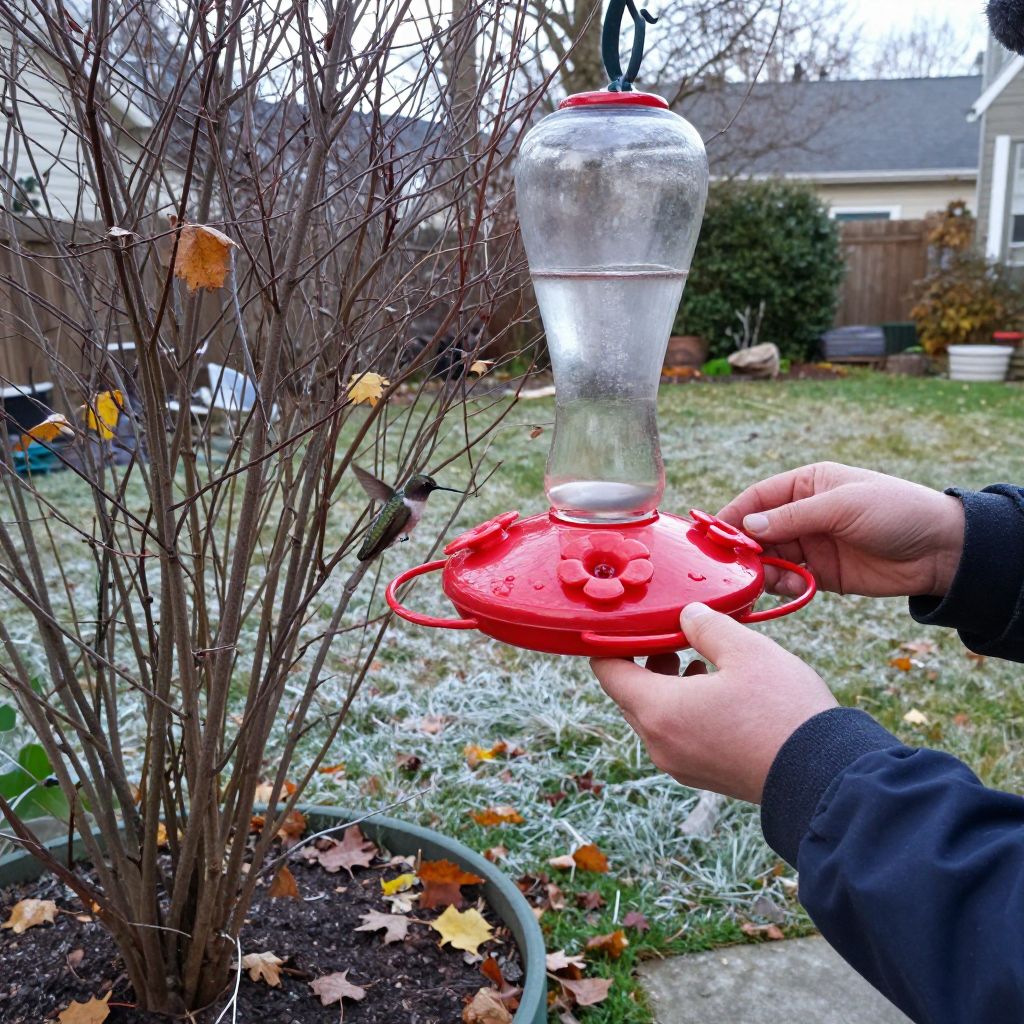
Wondering when to take down hummingbird feeders? The safest answer is not a fixed calendar date, but the point when migrating hummingbirds are no longer regularly visiting your yard. In many places that means leaving feeders up into fall, and in warmer climates it may mean keeping them available much longer.
The goal is to avoid removing food too early while still preventing spoiled nectar and unnecessary maintenance. A little seasonal observation goes a long way.
When to take down hummingbird feeders?
Take down hummingbird feeders after you have not seen hummingbirds for at least 1 to 2 weeks, and only after local migration has clearly passed. In many regions, that means late fall; in mild or southern climates, some feeders can stay up longer. If birds are still visiting, keep the feeder clean and filled.
How to time feeder removal by season
Hummingbird timing depends on your climate, elevation, and local migration patterns. Rather than following a single date, watch for a steady decline in visits and compare that with what you know about your area’s seasonal movement.
Spring
In spring, feeders can help returning hummingbirds after a long migration. Put them out before you expect the first arrivals in your area, especially if you live along a migration corridor or in a region with early spring blooms but cool nights.
Summer
During summer, feeders are usually most active. Keep them clean and filled, and place them where you can monitor them easily. If natural nectar sources are abundant, birds may visit less often, but that does not mean the feeder should be removed.
Fall
Fall is the most important season for deciding when to take down hummingbird feeders. Keep feeders up until migration is clearly over in your area, because late migrants, juveniles, and stragglers may still need a reliable food source.
Winter
In frost-free or warm-winter regions where hummingbirds overwinter or remain year-round, feeders may need to stay up all winter. If freezing temperatures are common, you may need to bring feeders in at night, use a feeder heater, or swap them out more frequently.
Signs it is safe to remove the feeder
The best sign is simple: no hummingbirds are using it anymore. Before taking it down, look for a consistent pattern rather than a single quiet day.
- No hummingbird visits for 1 to 2 weeks
- Local migration has typically ended in your region
- Nearby flowering plants are still attracting insects and other pollinators, but not hummingbirds
- You are seeing only occasional pass-through birds, not regular feeding
Do not remove a feeder just because it looks “empty” for a few days. Hummingbirds often shift their routes, especially during migration, and may return unexpectedly.
Why leaving feeders up a little longer helps
Hummingbirds burn a lot of energy, especially during migration and during cold snaps. A feeder is not a replacement for natural habitat, but it can provide a dependable backup when nectar plants are fading.
Leaving feeders up a bit longer also helps late migrants, young birds learning routes, and birds that are delayed by weather. A few extra weeks can make a real difference.
Common reasons birds return late
- Unusual weather patterns
- Extended warm spells that delay movement
- Regional differences in elevation or latitude
- Changes in bloom timing from year to year
How to keep feeders safe until removal
If you are keeping a feeder up through migration, maintenance matters more than the calendar. Nectar can spoil quickly in heat and can freeze in cold weather.
- Rinse the feeder every 2 to 3 days in hot weather, or sooner if the nectar looks cloudy.
- Use fresh nectar made with a simple sugar-and-water mix, and discard any old nectar before refilling.
- Scrub ports and feeding surfaces so mold and fermentation do not build up.
- Check for ants, bees, wasps, and leaks.
- Move the feeder if it is in direct sun and nectar is spoiling too quickly.
In cooler weather, nectar lasts longer, but you still need to watch for dilution from rain or contamination from insects and debris.
What to do if hummingbirds are still around
If you still see hummingbirds, even occasionally, keep the feeder up. A single bird can be easy to miss, especially if it visits at dawn or dusk.
Watch for these late-season clues
- Rapid, brief visits to the feeder
- Birds defending the feeder aggressively
- More activity during warm afternoons
- Feeder use after nearby blooms fade
If you are unsure, leave the feeder up for another week and observe. It is better to maintain a feeder a little longer than to remove it too soon.
Regional differences matter
Hummingbird feeder timing varies widely by location. In northern areas, migration may finish earlier in fall. In coastal, southern, desert, and mild-winter climates, some species may remain longer or even year-round.
If you garden in a place with a long growing season, use local cues: first frost, fading nectar plants, and sightings from neighbors or local birding groups. Those are often more useful than a national average.
How to adapt to your local climate
- Track first and last sightings each year
- Notice when native nectar flowers stop blooming
- Pay attention to overnight temperatures
- Ask local gardeners or birdwatchers when migration usually tapers off
Common mistakes to avoid
Most feeder problems come from removing it too early or leaving it up without proper care. Both can create avoidable issues.
- Taking it down after one quiet week instead of waiting for a longer no-visit stretch
- Leaving spoiled nectar in place because you are waiting for birds that no longer come
- Putting feeders away too soon in fall when late migrants still need them
- Forgetting winter freezing conditions that can make nectar unusable
- Ignoring heavy ant or bee activity that can make the feeder less usable for hummingbirds
How to remove and store the feeder
Once you are confident hummingbirds are gone, clean the feeder thoroughly before storage. This keeps mold, residue, and insects from causing problems next season.
- Empty any remaining nectar.
- Wash the feeder with hot water and a bottle brush or feeder brush.
- Rinse well so no soap residue remains.
- Let all parts dry completely.
- Store it indoors in a clean, dry place.
If the feeder has small cracks, cloudy plastic, or worn seals, inspect it before storing. Damaged feeders often leak or harbor residue the following year.
Should you replace the feeder with plants?
Yes, if you want to support hummingbirds naturally, add nectar-rich plants to your garden. Native flowering plants are especially useful because they provide food beyond the feeder and help create a more resilient habitat.
Choose plants that bloom at different times so your garden offers a longer nectar season. That way, the feeder becomes a supplement rather than the only food source.
Good garden habits that support hummingbirds
- Plant in groups so flowers are easier for birds to find
- Choose a mix of bloom times from spring through fall
- Provide some shelter with shrubs or small trees
- Avoid broad-spectrum insecticides that reduce insect food sources
Quick seasonal rule of thumb
If you want a simple guideline, keep hummingbird feeders up until migration has clearly ended in your area, then wait another 1 to 2 weeks if you are unsure. In warm climates, continue monitoring year-round. The feeder should follow the birds, not the calendar.
For more seasonal wildlife-garden guidance, you may also find it helpful to read about garden plants that attract hummingbirds and how to maintain bird feeders safely through the seasons.