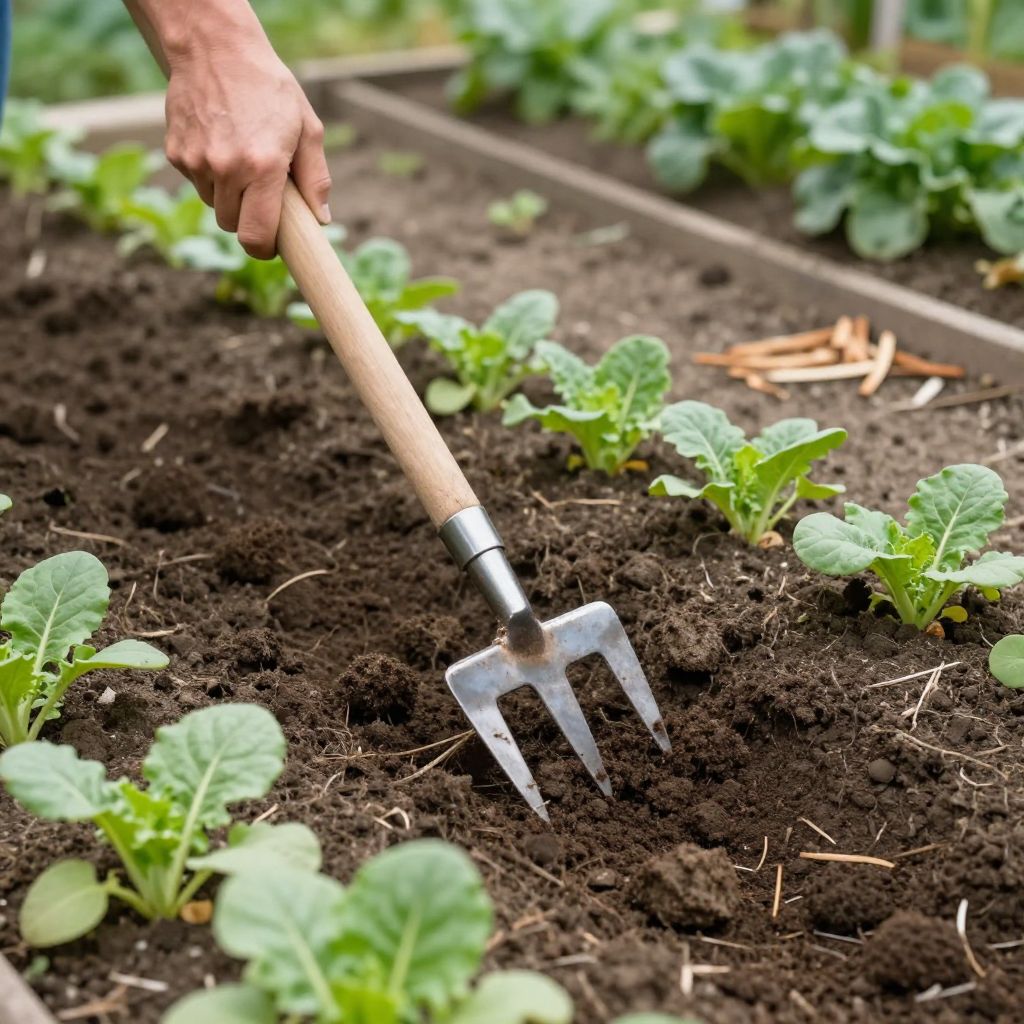
What is a cultivator used for in the garden? If you’ve seen one in a shed or store and wondered whether it’s a tiller, hoe, or something else, you’re not alone. A cultivator is a handy soil-working tool for loosening the top layer of soil, breaking up crust, and mixing in compost or amendments near the surface.
It’s especially useful when you want to improve planting beds without turning the whole garden over. Used correctly, a cultivator helps you prepare soil, control small weeds, and make planting easier while protecting soil structure better than aggressive digging.
What is a cultivator used for in gardening?
A cultivator is used to loosen and aerate the top few inches of soil, uproot tiny weeds, and blend compost or fertilizer into the upper layer of a bed. Gardeners use it for bed preparation, maintenance between rows, and light soil renovation. It is best for shallow work, not for deep digging or breaking hard ground.
How a cultivator differs from a tiller, hoe, and rake
Understanding the difference helps you choose the right tool for the job. A cultivator is for shallow soil work, while a tiller is designed for deeper, heavier soil turning.
Cultivator vs. tiller
- Cultivator: works the top layer of soil, usually a few inches deep.
- Tiller: breaks and turns soil more deeply, often for new beds or compacted ground.
- Best use: use a cultivator for maintenance and light preparation; use a tiller for major bed creation or renovation.
Cultivator vs. hoe
- A hoe cuts weeds at the surface and shapes soil.
- A cultivator loosens soil and can pull out small weeds with roots attached.
- In tight spaces, a hand cultivator often works better than a full-size hoe.
Cultivator vs. rake
- A rake smooths and levels the surface.
- A cultivator breaks crust and aerates before raking.
- Many gardeners use both: cultivate first, then rake the bed smooth.
Common uses for a cultivator in the garden
Most gardeners reach for a cultivator during bed prep, weed control, and seasonal cleanup. The exact task depends on whether you’re working in vegetable beds, flower borders, or around established shrubs.
- Loosening crusted soil: especially after rain or irrigation has formed a hard surface.
- Mixing compost into the top layer: helpful before planting annuals, vegetables, or bulbs.
- Removing tiny weeds: easiest when weeds are small and soil is slightly moist.
- Preparing seedbeds: creates a finer surface for sowing small seeds.
- Maintaining rows: keeps paths and row middles from becoming packed down.
- Working around established plants: useful for light cultivation without disturbing roots too deeply.
When to use a cultivator
The best time to cultivate is when the soil is neither soggy nor bone-dry. Soil that is too wet can smear and compact, while very dry soil can be hard to break and may damage roots or tools.
Good conditions for cultivating
- Soil feels crumbly and slightly damp, not sticky.
- Weeds are small and easy to uproot.
- You need to freshen the top layer before planting or mulching.
- The bed has settled after rain, watering, or foot traffic.
Times to avoid cultivating
- When the soil is waterlogged.
- When roots from vegetables, perennials, or shrubs are close to the surface and you can’t work carefully.
- When soil is extremely dry and hard, unless you water lightly first and wait for it to absorb.
How to use a cultivator correctly
Whether you use a hand cultivator or a powered one, the goal is shallow, controlled soil disturbance. Work slowly and stop if you feel resistance from rocks, roots, or hardpan below the surface.
- Clear away large debris such as sticks, stones, and thick mulch.
- Check soil moisture; it should be workable, not muddy.
- Hold the tool at a slight angle and work the top 1 to 3 inches of soil.
- Use short, repeated passes rather than forcing the tool deep.
- Remove loosened weeds and roots as you go.
- Finish by raking the surface smooth if you plan to plant seeds.
For hand cultivators
Hand cultivators are ideal for containers, raised beds, and tight spaces. Use them to scratch the surface, break clumps, and lift small weeds without disturbing nearby roots too much.
For push or motorized cultivators
These are better for larger beds and wider rows. Keep the tines shallow and let the machine do the work; forcing it too deep can damage soil structure and bring up buried weed seeds.
Benefits of using a cultivator
A cultivator can make gardening easier, but its real value is in how it improves the soil surface without overworking it. That matters because healthy soil structure supports roots, water movement, and beneficial organisms.
- Improves air flow: loosening the surface helps oxygen reach roots.
- Reduces surface crust: water can soak in more evenly.
- Makes planting easier: seedlings and transplants settle into friable soil more readily.
- Helps with weed control: small weeds are easiest to remove before they establish.
- Supports compost incorporation: blends amendments into the upper layer where roots can use them.
Common mistakes to avoid
Many gardening problems come from using a cultivator too aggressively. The tool is meant for light, repeated work, not deep excavation.
- Working too deep: this can cut roots and disturb soil layers unnecessarily.
- Cultivating wet soil: this causes compaction and clumping.
- Chopping up perennial weeds: some weeds can regrow from root pieces, so remove them carefully.
- Overworking the bed: too much cultivation can dry out soil and reduce structure.
- Using it near shallow-rooted plants: stay outside the root zone or use a hand tool with care.
Using a cultivator in vegetable beds, flower beds, and containers
The right approach depends on where you’re gardening. Beds with annual crops can usually handle more surface cultivation than established perennial plantings.
Vegetable beds
Use a cultivator before planting to loosen the top layer and mix in compost. During the season, cultivate only between rows or in open spaces so you don’t disturb crop roots.
Flower beds
Annual flower beds often benefit from light cultivation before planting. In perennial beds, use the tool sparingly and keep it away from crowns and roots.
Containers and raised beds
In containers, a small hand cultivator is often enough. Raised beds usually need only shallow cultivation because the soil is already loose and easy to work.
How cultivation affects soil health
Light cultivation can improve a bed, but repeated deep disturbance can do the opposite. The goal is to preserve a crumbly, living soil structure while still making the surface manageable for planting and maintenance.
- Use compost and mulch to reduce how often you need to cultivate.
- Limit cultivation to the top layer unless you are renovating a bed.
- After cultivating, water lightly if the bed is going to be planted soon.
- Mulch after planting to slow weed growth and reduce crusting.
Troubleshooting: when a cultivator is not the right tool
If the soil is badly compacted, full of perennial weed roots, or packed with stones, a cultivator may not solve the problem. In those cases, hand digging, sheet mulching, or bed rebuilding may be more effective.
Signs you need a different approach
- The tool bounces off hard soil instead of entering it.
- Weeds keep returning from root fragments.
- Water pools instead of soaking in.
- Roots are shallow and plants look stressed despite surface work.
Better fixes for difficult soil
- Add compost regularly to improve texture over time.
- Use mulch to protect the surface from crusting and erosion.
- Reduce foot traffic in beds and paths.
- For severe compaction, loosen soil gradually rather than forcing a cultivator through it.
Choosing the right cultivator for your garden
Pick the tool based on bed size, soil condition, and how much precision you need. A small hand cultivator is enough for many home gardens, while larger plots may benefit from a push model or powered machine.
- Hand cultivator: best for containers, tight spaces, and precise work.
- Long-handled cultivator: useful for standing work in beds and rows.
- Powered cultivator: helpful for larger spaces or repeated bed preparation.
Conclusion
A cultivator is used for shallow soil loosening, weed removal, and light mixing of compost or amendments. If you want healthier planting beds with less effort, use it on slightly moist soil, work only the top few inches, and avoid overcultivating. Start with one bed this week and see how much easier planting becomes.
If you want to keep building your garden tool knowledge, you may also find it helpful to read more about basic garden hand tools and preparing soil for planting beds.