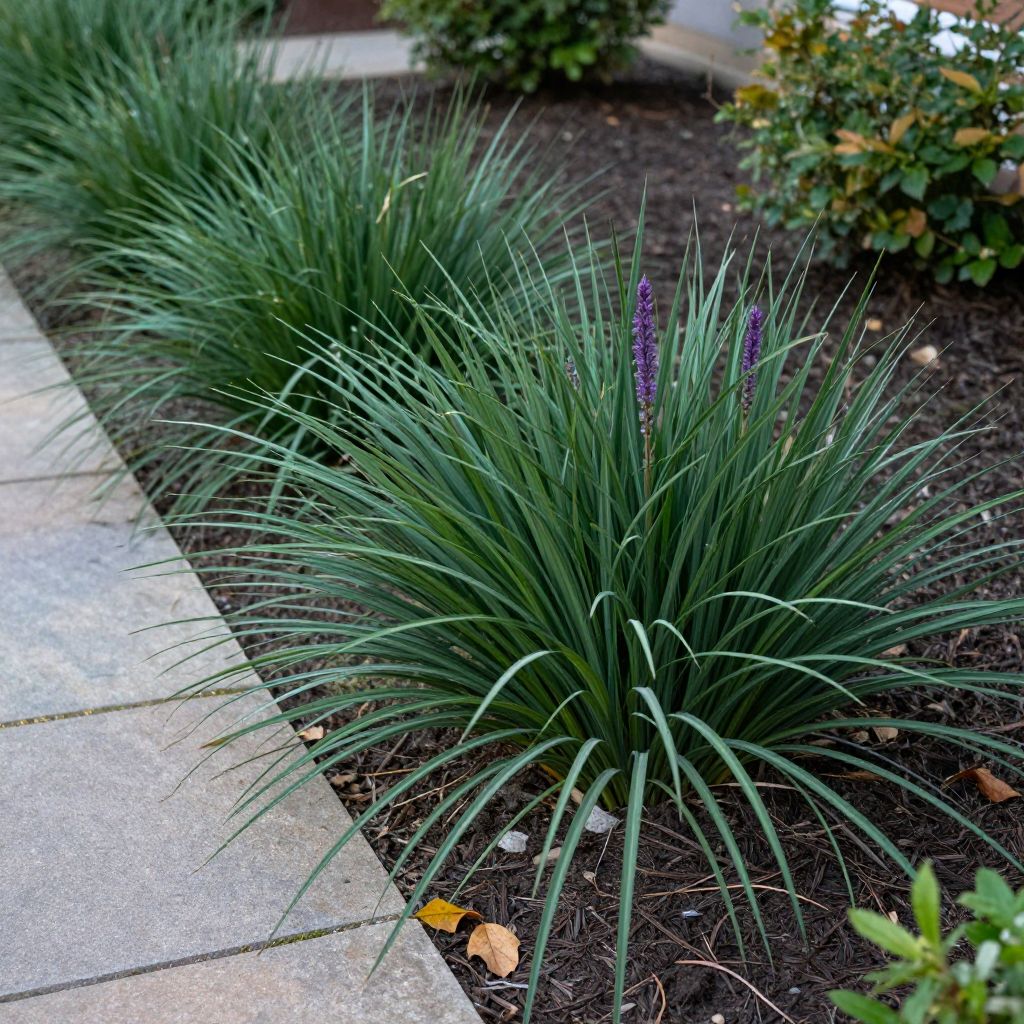
If you’ve been wondering, “What is monkey grass?” you’re not alone. The name is used for two different landscape plants, and that confusion matters when you’re choosing, planting, or fixing a problem in the garden.
In most gardens, monkey grass refers to liriope or mondo grass—low, grass-like perennials used as ground covers, edging plants, and border fillers. They are not true grasses, but they’re tough, low-maintenance, and useful in shade or part shade.
What is monkey grass?
Monkey grass is a common name for two ornamental, grass-like plants: liriope and mondo grass. Liriope usually grows taller and blooms on upright spikes, while mondo grass stays lower and finer. Both are evergreen or semi-evergreen perennials valued for edging, erosion control, and easy-care ground cover.
How to tell monkey grass apart
The easiest way to identify monkey grass is to look at the plant’s height, leaf width, and flowers. Gardeners often use the name loosely, so checking the plant itself is more reliable than relying on the label.
Liriope vs. mondo grass
- Liriope: broader leaves, clumping or spreading habit, and flower spikes in late summer to fall.
- Mondo grass: much finer, thinner leaves, lower growth, and a denser, more delicate look.
- Monkey grass in the nursery trade: often refers to liriope, especially in the southern U.S.
What to look for on the plant
- Leaf width: liriope leaves are usually wider and strap-like; mondo grass leaves are narrow and hair-like.
- Height: liriope often reaches about 12 to 18 inches tall, while mondo grass is usually shorter.
- Flowers and berries: liriope produces noticeable flower spikes; mondo grass flowers are small and less showy.
Where monkey grass grows best
Monkey grass is adaptable, but it performs best in well-drained soil with moderate moisture and light to partial shade. Some types tolerate more sun, especially if the soil stays evenly moist, while deeper shade can slow growth and reduce flowering.
Light conditions
- Part shade is often ideal for liriope.
- Full shade is usually tolerated by mondo grass, though growth may be slower.
- More sun is possible if the soil does not dry out too quickly.
Soil and drainage
Monkey grass prefers soil that drains well but still holds some moisture. Heavy clay can work if it is improved with compost and not left waterlogged, since soggy roots can lead to decline.
- Work in compost before planting to improve structure.
- Avoid low spots where water pools after rain.
- If your soil stays wet, plant on a slight mound or raised bed.
How to plant monkey grass
Plant monkey grass in spring or early fall when temperatures are moderate, but adjust to your climate and local weather. The goal is to give roots time to settle in before heat, drought, or frost stress the plant.
Step-by-step planting guide
- Choose a site with suitable light and drainage.
- Loosen the soil to a depth of about 8 to 12 inches.
- Mix in compost if the soil is poor or compacted.
- Dig a hole as deep as the root ball and slightly wider.
- Set the plant so the crown sits at soil level.
- Backfill, firm gently, and water thoroughly.
- Mulch lightly, keeping mulch away from the crown.
Spacing tips
Spacing depends on the look you want. For edging, plant closer together for a quicker fill. For larger beds, give each plant room to spread so you do not create a crowded, disease-prone mass.
- Closer spacing: faster coverage, more maintenance later if overcrowded.
- Wider spacing: slower fill-in, but healthier airflow.
Watering and feeding needs
Newly planted monkey grass needs regular watering until established, but mature plants are fairly drought-tolerant. The biggest mistake is overwatering in poorly drained soil, which can weaken roots and invite rot.
Watering guidance
- Water deeply after planting.
- Keep soil lightly moist during establishment.
- Once established, water during extended dry spells rather than on a rigid schedule.
If leaves start to look dull, thin, or stressed in hot weather, check the soil before watering. Dry surface soil does not always mean the root zone is dry, especially under mulch.
Fertilizer and compost
Monkey grass usually does not need heavy feeding. In many gardens, a spring topdressing of compost is enough to support healthy growth.
- Use compost to improve soil and provide gentle nutrition.
- Avoid overfertilizing, which can cause lush but weak growth.
- If growth is pale or poor, test the soil before adding fertilizer.
Pruning and maintenance
Monkey grass is low maintenance, but it benefits from occasional cleanup. Removing old leaves and cutting back tired clumps helps keep the planting neat and encourages fresh growth.
When to cut it back
In many climates, late winter or early spring is a good time to tidy monkey grass before new growth starts. If the plant looks ragged after winter, trim it carefully rather than shearing too low into the crown.
Simple maintenance tasks
- Pull out weeds before they root deeply in the clumps.
- Remove dead or browned leaves by hand or with clean shears.
- Divide overcrowded plants every few years if flowering and vigor decline.
Common problems with monkey grass
Most problems come from too much shade, too much water, or overcrowding. If you know what to look for, you can usually correct the issue without replacing the whole planting.
Yellowing or browning leaves
Yellow leaves may signal poor drainage, drought stress, or old foliage that simply needs trimming. Brown tips are often caused by dry wind, winter damage, or compacted roots.
- Check soil moisture before watering again.
- Improve drainage if the area stays soggy.
- Trim away damaged leaves to encourage fresh growth.
Thin growth and poor flowering
If monkey grass looks sparse, it may be planted in too much shade, growing in exhausted soil, or overcrowded from years of expansion. Dividing clumps and refreshing the soil can help.
Pests and diseases
Monkey grass is generally trouble-free, but no plant is completely immune. Watch for signs of rot in wet soil and occasional chewing damage from garden pests.
- Root rot: usually linked to poor drainage and overwatering.
- Leaf spots: can appear in humid conditions or crowded plantings.
- Snails and slugs: may chew leaves in damp, shady areas.
How to propagate monkey grass
Division is the easiest way to propagate monkey grass and refresh older plantings at the same time. It works best when the clumps are large enough to split cleanly and the weather is mild.
Division steps
- Dig up a healthy clump.
- Shake off loose soil so you can see the crown and roots.
- Pull or cut the clump into smaller sections.
- Replant immediately at the same depth.
- Water well and keep evenly moist until established.
Use a sharp spade or garden knife for tough clumps. Clean tools help reduce damage and make the split easier.
Landscape uses for monkey grass
Monkey grass is popular because it solves practical garden problems. It softens edges, fills awkward spaces, and provides a tidy look where turf grass struggles.
- Border edging along walkways and beds
- Ground cover under trees or shrubs
- Slopes and banks where erosion is a concern
- Foundation plantings for a neat, low profile
It also works well where mowing is difficult, but remember that spreading types can creep into nearby beds if not edged or divided regularly.
Practical mistakes to avoid
- Planting in standing water or compacted soil.
- Confusing liriope with mondo grass and expecting the wrong size.
- Shearing too hard into the crown, which can damage new growth.
- Overcrowding plants and then wondering why they thin out.
- Assuming all monkey grass is the same in every climate.
Conclusion
Now that you know what monkey grass is, you can identify the plant more confidently and give it the right conditions to thrive. Check whether your plant is liriope or mondo grass, then match its light, soil, and spacing needs to your site.
If you’re planning a border or shade bed, it can also help to read more about shade-tolerant ground covers and how to improve garden soil drainage before you plant.