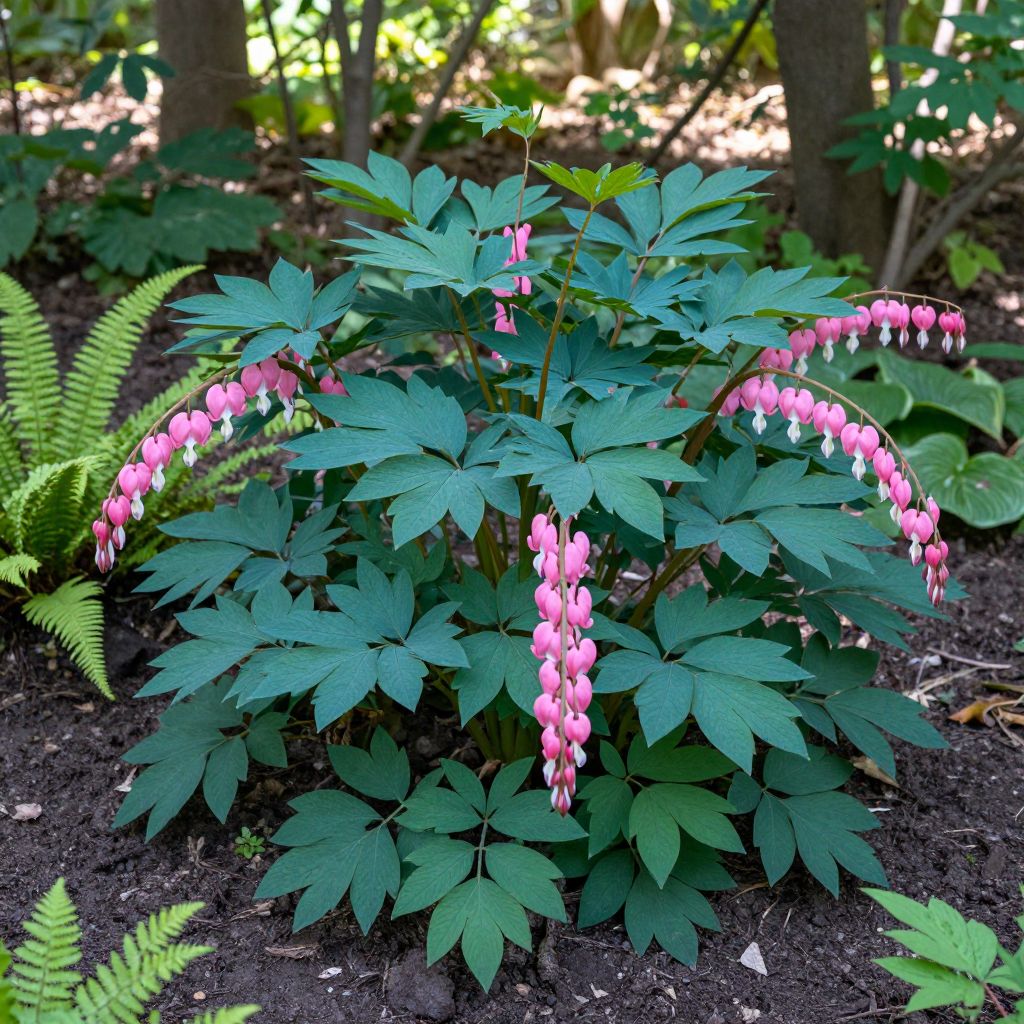
When do bleeding hearts bloom? In most gardens, bleeding hearts (Dicentra spectabilis, now often Lamprocapnos spectabilis) bloom in spring, usually from mid-spring to late spring, with timing shifting by climate and weather. Cool temperatures trigger the best display, and plants often flower for several weeks before summer heat slows them down.
If you want more blooms, the real key is not just the calendar. It’s giving the plant the right light, moisture, and soil so it can flower strongly before going dormant in hot weather.
When do bleeding hearts bloom?
Bleeding hearts typically bloom in spring, often from April to May in many temperate gardens, sometimes earlier in mild climates and later in colder ones. The flowers usually last 4 to 6 weeks, then the plant may yellow and fade as summer heat arrives. In shaded, cool sites, bloom can last a little longer.
What affects bloom timing?
Bleeding heart bloom time depends on your local climate, spring temperatures, and how established the plant is. A mature plant in a cool, moist garden may flower earlier and more heavily than a young plant growing in a warm, dry spot.
Climate and temperature
Spring warmth is the main trigger. If spring arrives early, blooms may open sooner; if cold weather lingers, flowering is delayed. A late frost can also damage tender new growth and shorten the bloom period.
Sunlight exposure
Bleeding hearts bloom best in partial shade. Too much direct sun, especially afternoon sun, can make the plant finish blooming faster. Too little light can reduce flowering altogether.
Plant maturity
Newly planted bleeding hearts may spend a season settling in before blooming well. Established clumps usually flower more reliably and with more stems.
Best growing conditions for stronger blooms
To encourage a full spring display, focus on the plant’s growing conditions from the start. Bleeding hearts prefer cool roots, rich soil, and consistent moisture without sogginess.
Light
- Best: morning sun and afternoon shade
- Also good: dappled shade under deciduous trees
- Avoid: hot, full-day sun in warm climates
Soil
Bleeding hearts do best in fertile, humus-rich soil that drains well. Heavy clay can work if improved with compost and kept from becoming waterlogged.
Moisture
Even moisture is important during active spring growth. Dry soil can reduce flowering and cause foliage to decline early. At the same time, standing water can rot the roots.
Mulch
A 2- to 3-inch layer of organic mulch helps keep roots cool, slows moisture loss, and supports the plant’s spring growth. Keep mulch a little away from the crown to reduce rot risk.
How to plant bleeding hearts for better flowering
Planting location matters a lot because bleeding hearts dislike being moved once established. Choose a site where the plant can enjoy spring light and summer shade.
- Pick a spot with partial shade and moist, well-drained soil.
- Work compost into the planting area to improve texture and fertility.
- Set the crown at the same depth it was growing in the nursery pot.
- Water deeply after planting to settle the soil around the roots.
- Mulch lightly to conserve moisture and suppress weeds.
If you are planting bare-root bleeding hearts, do it when the plant is dormant or just beginning to wake in early spring or fall, depending on your climate and local nursery guidance. Container-grown plants can be planted during the growing season if you can keep them evenly watered.
How to care for bleeding hearts before and during bloom
Good care in early spring helps the plant put energy into flower stems instead of struggling with stress.
Watering
Water when the top inch of soil begins to dry, especially during spring growth and dry spells. Deep, less frequent watering is usually better than shallow sprinkling because it encourages stronger roots.
Feeding
Bleeding hearts usually do not need heavy fertilizing. A top-dressing of compost in spring is often enough in average garden soil. Too much nitrogen can produce lush leaves with fewer flowers.
Deadheading
Removing faded flowers can tidy the plant, but it will not usually extend bloom dramatically. If you want to collect seed, leave some spent flowers in place and let the seed pods mature.
Why bleeding hearts stop blooming early
It is normal for bleeding hearts to finish blooming by early summer in many regions. The plant often goes dormant as temperatures rise, especially in warmer climates. That does not necessarily mean something is wrong.
Common reasons for short bloom time
- Hot weather arrives quickly
- The plant gets too much afternoon sun
- Soil dries out too fast
- The plant is young or recently transplanted
- Roots are crowded or stressed
- Soil is poor or depleted
What to do if blooms are sparse
If flowering is weak, first check light and moisture. Move the plant only if necessary, because bleeding hearts dislike disturbance. Instead, improve the site gradually with compost, mulch, and more consistent watering during spring.
Pruning and seasonal care after bloom
After flowering, bleeding hearts often start to yellow and die back. This is normal dormancy, not necessarily decline. The foliage is still feeding the roots until it fades.
What to cut back
Wait until the leaves yellow naturally before cutting stems down. Removing green foliage too early can weaken next year’s bloom.
How to handle summer dormancy
- Keep the area lightly watered if the soil becomes very dry
- Do not overwater dormant plants in heavy soil
- Mark the spot so you do not damage dormant roots while gardening nearby
- Plant companion perennials that fill in later in summer
Can you make bleeding hearts bloom longer?
You usually cannot force bleeding hearts to bloom for months, but you can help them perform at their best. The goal is a strong spring show, not a long summer display.
Best ways to maximize bloom
- Grow them in cool, sheltered partial shade
- Keep the soil evenly moist in spring
- Avoid excess fertilizer
- Improve poor soil with compost
- Protect from hot afternoon sun and drying winds
In cooler climates, the bloom season may be noticeably longer. In warmer areas, choose a site with more shade and expect a shorter flowering window.
Common pests and diseases
Bleeding hearts are usually not trouble-prone, but stressed plants can attract problems. Healthy growing conditions are the best prevention.
Pests
Aphids may cluster on tender stems and buds in spring. A strong spray of water can knock them off, or you can remove heavily infested stems if needed.
Diseases
Root rot and crown rot are the biggest risks in poorly drained soil. Powdery mildew can appear in crowded, dry, or poorly ventilated plantings, though it is less common than moisture-related issues.
Prevention tips
- Plant in well-drained soil
- Space plants so air can move around them
- Water at the base, not over the foliage when possible
- Remove fallen leaves and debris around the crown
Propagation and division
Bleeding hearts can be propagated, but they do not like frequent disturbance. If you divide them, do it carefully and only when the plant is dormant or just beginning growth, depending on your climate.
Division basics
Use a sharp spade or garden fork to lift a mature clump gently. Replant divisions promptly and water well. Smaller divisions may take a season or two to bloom strongly again.
Seed propagation
You can also grow bleeding hearts from seed, but seedlings take longer to reach flowering size. Seed-grown plants may not look exactly like the parent plant if you are growing named varieties.
Landscaping uses while it blooms
Bleeding hearts are excellent for spring borders, woodland gardens, and shaded foundation plantings. Their arching stems and heart-shaped flowers pair well with ferns, hostas, hellebores, and spring bulbs.
Because the foliage often disappears by midsummer, place them where later-emerging perennials can fill the gap. That way, the garden stays attractive after the bloom season ends.
Quick troubleshooting checklist
- No flowers: too much shade, too much nitrogen, or a young plant
- Short bloom time: heat stress or dry soil
- Yellowing too early: natural dormancy in warm weather, or stress from drought
- Wilting in spring: root problems or inconsistent watering
- Weak growth: poor soil, crowding, or transplant shock
Final takeaways
When do bleeding hearts bloom? Usually in spring, with the exact timing shaped by your climate and garden conditions. Give them cool partial shade, rich soil, and steady moisture, and they will reward you with one of the season’s most graceful flower displays.
If you are planning a shaded spring border, it also helps to read more about woodland perennials, shade gardening, and spring bulb companions so you can build a garden that looks good before, during, and after bleeding hearts bloom.