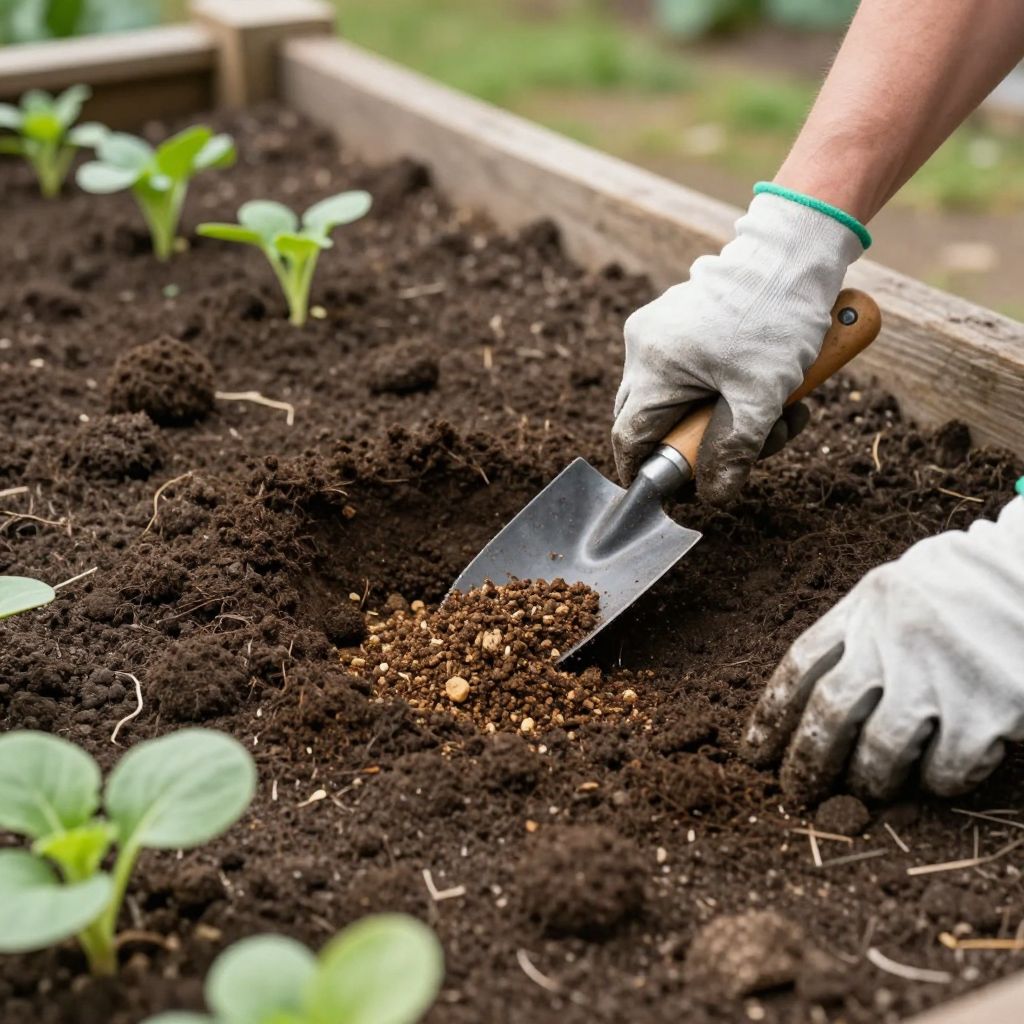
What is soil conditioner, and do you actually need it in your garden? If your soil is hard, sticky, sandy, or full of weak plant growth, a soil conditioner can help improve how water, air, and roots move through it.
Used correctly, it can make planting easier and help plants establish better. The key is knowing what kind of conditioner your soil needs, because not every product fixes every problem.
What is soil conditioner?
Soil conditioner is any material added to soil to improve its structure, drainage, aeration, moisture retention, or workability. It may be organic, like compost or aged manure, or inorganic, like gypsum or perlite, depending on the problem you are trying to solve.
How soil conditioner works in the garden
Soil conditioner does not simply “feed” plants. Its main job is to change the physical condition of the soil so roots can grow more easily and water behaves better in the root zone.
Common ways it helps
- Improves clay soil by creating larger pore spaces for air and drainage.
- Helps sandy soil hold moisture and nutrients longer.
- Loosens compacted soil so roots can spread.
- Supports soil life when the conditioner is organic matter.
- Makes planting easier in beds, borders, and containers.
In many gardens, the best conditioner is simply well-finished compost. It improves a wide range of soils and is usually the safest starting point for home gardeners.
Types of soil conditioner and when to use them
Organic soil conditioners
Organic materials improve soil while also adding some nutrients and feeding beneficial organisms. They are usually the best long-term choice for vegetable beds, flower borders, and new planting areas.
- Compost — versatile, improves structure, moisture retention, and soil biology.
- Well-rotted manure — useful for enriching garden beds, but it should be fully aged before use.
- Leaf mold — excellent for improving moisture retention and soil texture, especially in woodland-style gardens.
- Peat-free soil improvers — often made from composted bark, coir, or other sustainable materials.
Inorganic soil conditioners
These materials are used for specific soil problems and usually do not add much nutrition. They can be helpful, but they are not a substitute for organic matter in most gardens.
- Gypsum — sometimes used to help improve heavy clay soil structure, especially where sodium is a problem.
- Perlite — improves aeration and drainage in containers and potting mixes.
- Sand — can improve drainage only when mixed correctly and in large enough amounts; otherwise it may worsen clay soil.
Important: A product labeled “soil conditioner” is not always the right choice for every soil type. Read the label and match the product to your soil problem before buying.
How to tell if your soil needs conditioning
Before you add anything, look at how your soil behaves after rain and during dry weather. The symptoms often tell you more than the label on a bag ever will.
Signs of heavy clay soil
- Water puddles or drains very slowly.
- The soil feels sticky when wet and hard when dry.
- Roots struggle to spread.
- Plants may yellow or stall because roots lack air.
Signs of sandy soil
- Water runs through quickly.
- Soil dries out fast after rain or watering.
- Nutrients seem to wash away easily.
- Plants wilt quickly in hot weather.
Signs of compacted soil
- It is difficult to dig.
- Rainwater sits on top instead of soaking in.
- Roots are shallow or misshapen.
- Grass or plants look weak in high-traffic areas.
If you are unsure, a simple squeeze test helps. Clay soil forms a sticky ball or ribbon, sandy soil falls apart quickly, and healthy loam crumbles into soft crumbs.
How to apply soil conditioner correctly
The best method depends on whether you are improving an existing bed, preparing a new one, or filling containers. In all cases, work with the soil you have rather than trying to replace it completely.
For garden beds
- Clear weeds and debris from the area.
- Spread 2 to 4 inches of organic conditioner, such as compost, over the surface.
- Mix it into the top 6 to 8 inches of soil if you are planting annuals or vegetables.
- For established beds, top-dress around plants and let worms and watering work it in gradually.
For new planting holes
Do not create a “bathtub” effect by filling the hole with only rich compost or conditioner. Roots may circle within the amended pocket instead of growing outward into the surrounding soil.
- Mix a modest amount of conditioner into the backfill soil.
- Keep the planting hole wide, not just deep.
- Water thoroughly after planting to settle the soil naturally.
For containers
Use a quality potting mix rather than garden soil. If needed, blend in a conditioner such as compost, coir, or perlite to improve moisture balance and drainage.
- Choose containers with drainage holes.
- Use a lighter mix for herbs and flowers that dislike soggy roots.
- Use more moisture-retentive ingredients for pots that dry out quickly in hot weather.
Common mistakes to avoid
Soil conditioning works best when you improve the soil gradually and consistently. A few common mistakes can undo the benefit.
- Adding sand to clay in small amounts — this can create a dense, cement-like texture.
- Using fresh manure — it may burn roots or introduce weed seeds and pathogens.
- Overworking wet clay — this can compact the soil even more.
- Expecting one application to fix everything — soil improvement is usually a long-term process.
- Using the wrong product for the problem — drainage, fertility, and compaction are not all the same issue.
When to use soil conditioner
There is no single best date for every garden. The right time depends on your climate, soil moisture, and what you are planting.
Best times in general
- Before planting a new bed or border.
- In spring when preparing soil for vegetables and annual flowers.
- In autumn to let organic matter break down over winter.
- After harvest to restore beds that were heavily cropped.
In wet climates, avoid digging and mixing soil when it is saturated. In dry climates, water the soil lightly before working it so amendments blend more evenly.
Soil conditioner vs fertilizer vs compost
These products are related, but they are not the same thing. Understanding the difference helps you choose the right fix for your garden.
- Soil conditioner improves soil structure and workability.
- Fertilizer supplies nutrients for plant growth.
- Compost can act as both a conditioner and a mild nutrient source.
If plants are struggling because the soil is dense, lifeless, or drains poorly, conditioner is often the first step. If the soil is already in good shape but plants are pale or slow-growing, fertilizer may be the better answer.
How to choose the right soil conditioner for your garden
Start with the soil problem, not the product name. A good conditioner should solve a specific issue without creating a new one.
Choose based on your soil type
- Clay soil: compost, leaf mold, well-rotted manure, or other organic matter.
- Sandy soil: compost, coir, leaf mold, or other moisture-holding organic materials.
- Compacted soil: organic matter plus careful loosening and reduced foot traffic.
- Containers: potting mix amendments such as perlite, compost, or coir.
If you garden in an area with very poor drainage, raised beds may work better than trying to force the native soil to behave like loam. In that case, a conditioner helps, but bed design matters too.
Long-term soil improvement tips
Healthy soil is built over time. A single application helps, but repeated small improvements usually give the best results.
- Add compost regularly as a top-dressing.
- Mulch beds to protect soil from crusting and erosion.
- Avoid walking on planting areas to reduce compaction.
- Grow cover crops where appropriate to protect and loosen soil.
- Test soil if plants continue to struggle despite amendments.
For most home gardens, the simplest routine is to add a layer of organic matter once or twice a year and let the soil biology do the rest.
Troubleshooting after using soil conditioner
If plants still struggle after conditioning the soil, the issue may be something else. Check drainage, root depth, sun exposure, watering habits, and whether the plant is suited to your site.
Possible problems and fixes
- Soil stays soggy: reduce watering, improve drainage, or switch to raised beds.
- Soil dries too fast: add more organic matter and mulch the surface.
- Plants remain pale: consider a nutrient deficiency or pH issue, not just structure.
- Growth is weak in one area only: check for buried debris, roots, or compacted subsoil.
When in doubt, dig a small test hole and look at the root zone. Healthy roots should spread outward into loose, crumbly soil, not stop abruptly at a hard layer.
Conclusion
So, what is soil conditioner? It is a material used to improve the physical quality of soil so plants can root, drain, and grow more effectively. The best choice depends on whether your soil is clay, sandy, compacted, or container-grown.
Start small, use organic matter where possible, and observe how your soil responds over time. If you want to keep improving your garden, a helpful next step is learning more about composting and soil structure through related gardening guides.