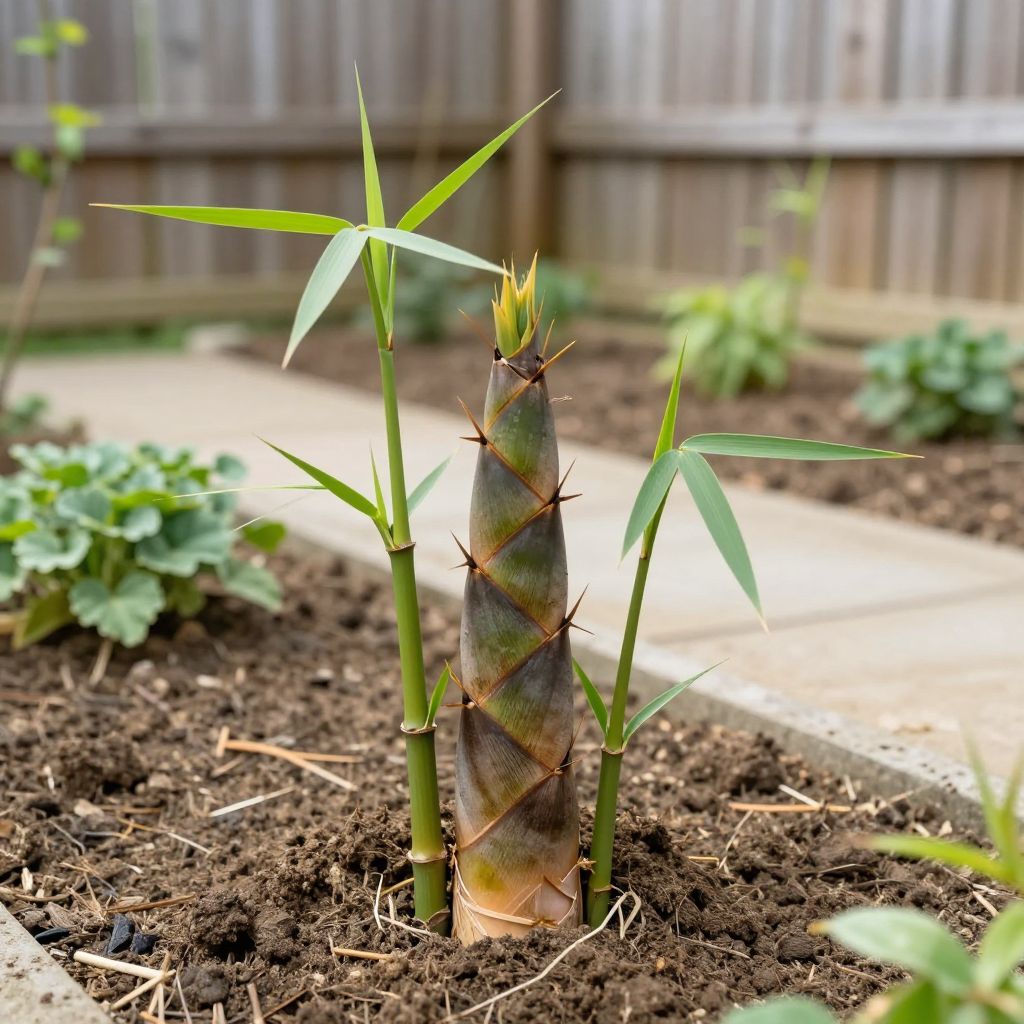
What plant grows the fastest? If you want quick results in the garden, the answer depends on what you mean by “fastest”: the quickest to sprout, the fastest to fill a pot, or the fastest to produce a harvest. Some plants race from seed to usable size in just a few weeks, while others grow fast in height but take longer to become useful.
For most home gardeners, the fastest practical choices are leafy greens, radishes, beans, cucumbers, and a few vigorous annual flowers or vines. The best plant for you depends on your climate, season, light, and whether you want edible leaves, roots, or quick cover for a bed or fence.
What plant grows the fastest?
The fastest-growing plants for most gardeners are radishes, lettuce, spinach, arugula, bush beans, and some cucumbers. If you want the quickest visible change, radishes and salad greens can be ready in a few weeks, while fast vines and grasses may grow taller even faster but are less useful for food.
Fastest-growing plants by purpose
Fastest for harvest
- Radishes – often ready in about 3 to 5 weeks, depending on variety and weather.
- Arugula – baby leaves can be picked very quickly, often within a month.
- Lettuce – loose-leaf types are among the quickest salad crops.
- Spinach – grows fast in cool weather and can be harvested young.
- Bush beans – quick to grow once warm weather arrives, with harvest following flowering.
Fastest for visible size
- Cucumbers – rapid vines in warm weather, especially with support.
- Squash – large leaves and sprawling growth appear quickly in warm soil.
- Sunflowers – some varieties shoot up fast and make a big visual impact.
- Sweet peas – fast climbers in cool weather, though not as fast as warm-season vines.
Fastest for filling space
- Sweet potato vine – excellent for containers and hanging baskets in warm climates.
- Nasturtium – fast, trailing growth and edible flowers/leaves.
- Morning glory – vigorous climber, but can be aggressive in some areas.
Why some plants grow faster than others
Growth speed is driven by temperature, light, water, soil fertility, and the plant’s natural life cycle. A crop that loves cool weather may stall in summer heat, while a warm-season plant may sit still in cold soil even if it is genetically fast-growing.
Seed size matters too. Larger seeds, such as beans and squash, often push up quickly because they carry more stored energy. Tiny seeds may germinate fast under the right conditions, but they can be slower to become sturdy plants.
The main factors that speed up growth
- Warmth for heat-loving crops like cucumbers, beans, and squash.
- Cool conditions for spinach, lettuce, radishes, and arugula.
- Full sun for most fast growers, especially fruiting crops.
- Loose, fertile soil that drains well and lets roots expand.
- Consistent moisture without waterlogging.
- Room to grow so plants are not crowded or competing heavily.
How to grow fast plants successfully
1. Start with the right crop for your season
Choose cool-season crops in spring or fall, and warm-season crops only after soil has warmed. If you plant a heat-loving crop too early, it may sit in the ground instead of growing quickly.
- Cool weather: radishes, lettuce, spinach, arugula, peas.
- Warm weather: beans, cucumbers, squash, sweet potatoes, basil.
2. Prepare soil for quick root growth
Fast-growing plants need soil that is loose, crumbly, and well drained. Work in compost before planting to improve structure and give young roots a better start.
A good garden bed should not feel hard or compacted. If water puddles after rain, improve drainage before planting fast crops, or roots may struggle and growth will slow down.
3. Use the right spacing
Crowding is one of the most common reasons fast growers slow down. Plants need light, air circulation, and root space to keep moving quickly.
- Follow seed packet spacing for full-size crops.
- For baby greens, you can sow more densely, then thin or harvest early.
- Give climbing crops a trellis so they can grow upward instead of sprawling on the ground.
4. Water evenly
Fast growth depends on steady moisture, especially during germination and early leaf development. Letting soil dry out and then soaking it can cause stress, uneven growth, or bitter leaves in some crops.
Water deeply when the top layer of soil begins to dry, but adjust for your weather, soil type, and container size. Containers usually need more frequent watering than in-ground beds because they dry out faster.
5. Give enough sunlight
Most fast-growing vegetables and flowers need at least 6 hours of direct sun. Leafy greens can tolerate a bit more shade, especially in hot climates, but too little light usually leads to weak, stretched growth.
Best fast-growing plants for beginners
Radishes
Radishes are one of the quickest crops from seed to harvest. They prefer cool weather, loose soil, and even moisture.
- Sow directly outdoors where they will grow.
- Thin seedlings so roots have room to swell.
- Harvest promptly; overgrown radishes can become woody or hot.
Lettuce and baby greens
Loose-leaf lettuce, arugula, and mixed salad greens are ideal if you want fast results with repeated harvesting. Pick outer leaves first or cut baby greens when they are young.
- Best in cool weather or partial afternoon shade in hot regions.
- Keep soil evenly moist for tender leaves.
- Harvest often to encourage regrowth in cut-and-come-again types.
Bush beans
Bush beans grow quickly once the soil is warm. They are a good choice if you want a fast summer crop that does not need a trellis.
- Plant after frost danger has passed and soil is warm.
- Avoid overfertilizing with nitrogen, which can produce more leaves than pods.
- Pick pods regularly to keep plants producing.
Cucumbers
Cucumbers can grow very fast in warm weather, especially when given rich soil, consistent water, and support. A trellis helps improve airflow and makes harvesting easier.
- Plant in full sun and warm soil.
- Mulch to help hold moisture and reduce stress.
- Watch for powdery mildew in humid conditions.
Indoors versus outdoors: which grows faster?
Indoors, you can speed up germination by keeping seeds warm and moist, then moving seedlings to bright light as soon as they sprout. Outdoors, growth is often faster once plants are established and receiving full sun, natural airflow, and more root space.
For indoor growing, the fastest options are usually microgreens, herbs, and seedlings started under strong grow lights. For outdoor growing, quick crops like radishes and salad greens usually win because they can be planted directly and harvested early.
Fast indoor options
- Microgreens – very fast, often harvested young.
- Sprouting greens – quick in trays with good light.
- Herbs from seed – basil can be quick in warm, bright conditions.
Common mistakes that slow fast-growing plants down
- Planting at the wrong time for the crop’s temperature preference.
- Using heavy, compacted soil that restricts roots.
- Overcrowding seedlings and reducing airflow and light.
- Letting soil dry out during germination or early growth.
- Too much nitrogen on fruiting crops, which can delay flowers and pods.
- Not harvesting often enough on crops meant to be picked young.
Pests and diseases that can slow growth
Fast-growing plants can still stall if pests or disease attack young leaves and stems. Slugs, flea beetles, aphids, and caterpillars are common problems on tender crops, while mildew and root rot often appear when conditions are too wet or crowded.
Practical fixes
- Check the undersides of leaves for insects.
- Use row cover early in the season to protect young crops.
- Improve spacing and airflow to reduce mildew risk.
- Remove badly damaged leaves so the plant can focus on healthy growth.
- Keep soil moist but not soggy to avoid root problems.
How to make plants grow faster without forcing them
You cannot make every plant grow at the same speed, but you can remove the things that slow them down. The goal is steady, healthy growth, not a stressed plant that races upward and then collapses.
- Choose a fast crop suited to your season.
- Prepare loose soil with compost.
- Plant at the correct depth and spacing.
- Water consistently from sowing through establishment.
- Give enough sun and protect from extreme heat or cold.
- Harvest young leaves or roots on time.
So, what should you plant if you want the fastest results?
If you want the quickest payoff, start with radishes and loose-leaf greens. If you want a fast-growing plant with bigger size and summer productivity, choose bush beans or cucumbers once the weather is warm enough. For decorative speed, try nasturtiums or sunflowers.
The best next step is simple: pick one fast crop that matches your current weather, prepare the bed well, and sow it this week. If you want more practical help, you may also enjoy reading about how to start seeds indoors and choosing the best compost for garden soil.