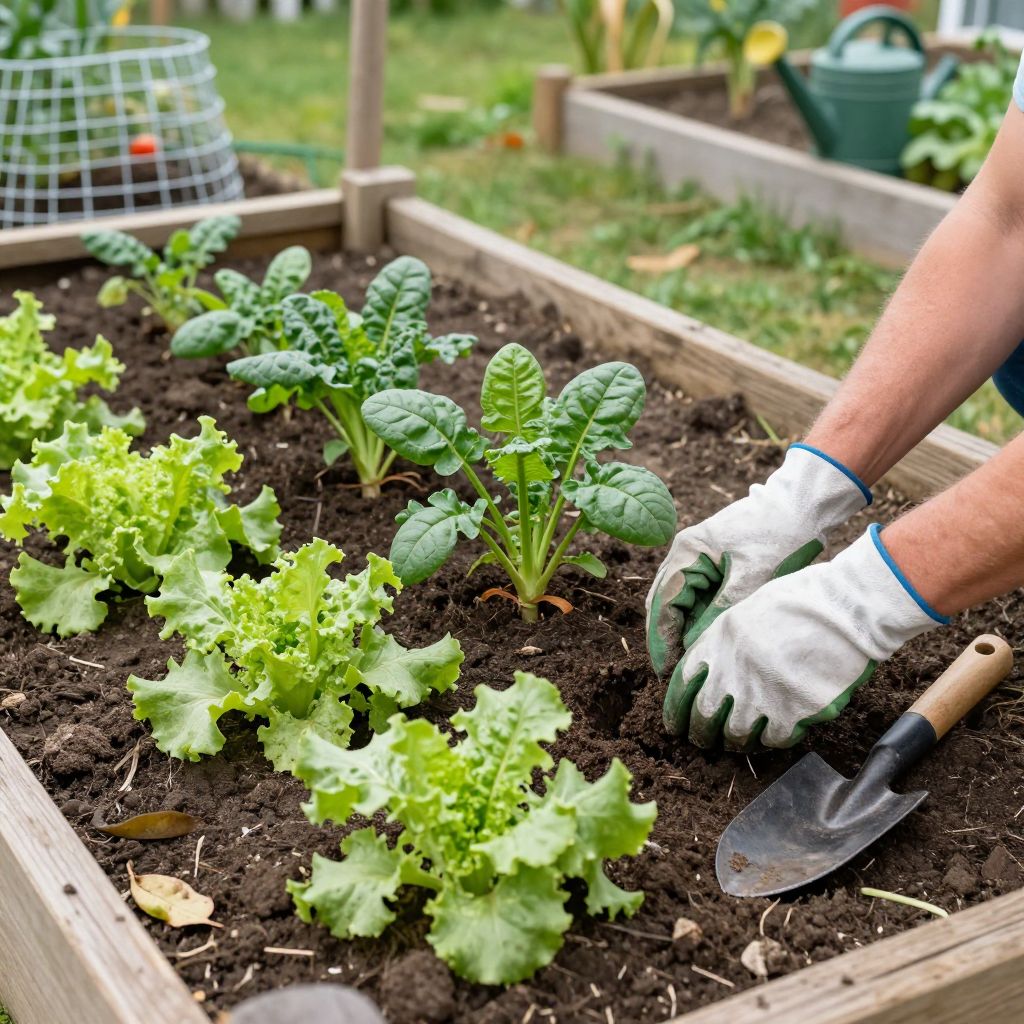
Wondering what to plant after tomatoes? The best follow-up crop depends on your season, climate, and whether your tomatoes had disease or pest problems. In many gardens, the safest choices are non-nightshade crops such as beans, lettuce, carrots, brassicas, or alliums, because they help break pest and disease cycles.
After tomatoes, focus on soil recovery and crop rotation. Tomatoes are heavy feeders and can leave behind disease pressure, so the next planting should fit your local weather and the condition of the bed rather than a fixed calendar date.
What To Plant After Tomatoes?
Plant crops from a different plant family, especially leafy greens, roots, legumes, brassicas, or alliums. If tomatoes were diseased, avoid planting peppers, eggplants, potatoes, or more tomatoes in the same spot for at least a few seasons. Improve the soil first, then choose a crop that matches the remaining growing time and temperatures.
Best crops to plant after tomatoes
The best follow-up plants are usually those that do not share the same major pests and diseases. They also tend to use the bed differently, which helps restore balance after a tomato crop.
1. Leafy greens
Lettuce, spinach, arugula, mustard greens, and Asian greens are excellent choices if temperatures are cooling. They usually grow quickly and make good use of beds that have already been enriched for tomatoes.
- Best for: cool weather, fall planting, or a short gap before the next warm-season crop.
- Care tip: Keep the soil evenly moist so leaves stay tender and growth does not stall.
2. Root crops
Carrots, beets, radishes, turnips, and parsnips can follow tomatoes well if the soil is loose and not compacted. Tomatoes often leave behind a bed with decent fertility, but roots need fine, stone-free soil to develop properly.
- Best for: beds that have been loosened and amended with compost.
- Care tip: Avoid fresh, undecomposed manure, which can cause forked or misshapen roots.
3. Beans and peas
Bush beans, pole beans, and peas can work well after tomatoes, especially if you want to follow a heavy feeder with a crop that can help add nitrogen to the soil. They are useful in rotation plans because they belong to a different family.
- Best for: warm-season succession planting with beans, or cool-season planting with peas.
- Care tip: Do not overfertilize with nitrogen, or you may get lush leaves and fewer pods.
4. Brassicas
Broccoli, cabbage, kale, cauliflower, and Brussels sprouts are strong candidates if your season allows enough time. They are not related to tomatoes and can make good use of a bed that has already been worked and amended.
- Best for: fall gardens or spring beds after early tomato removal.
- Care tip: Brassicas need steady moisture and may benefit from row cover to reduce pest damage.
5. Alliums
Onions, garlic, shallots, and scallions are practical after tomatoes, especially in beds that drain well. They are not heavy feeders compared with tomatoes and can fit neatly into rotation plans.
- Best for: beds with full sun and good drainage.
- Care tip: Keep weeds down early, since alliums grow slowly at first.
What not to plant after tomatoes
Try not to follow tomatoes with other nightshades in the same bed, especially if you had disease or recurring pest issues. Rotation matters most when the previous crop was stressed.
- Tomatoes
- Peppers
- Eggplants
- Potatoes
- Tomatillos
These crops can share problems such as early blight, late blight, verticillium wilt, fusarium wilt, and certain soilborne pests. If your tomatoes were healthy, you still should rotate when possible, but disease history makes this especially important.
How to prepare the bed after tomatoes
Before planting the next crop, clean up the bed carefully and reset the soil. A little preparation now can prevent problems later.
- Remove all tomato plants, stakes, cages, and fallen fruit.
- Discard diseased foliage; do not compost infected material unless your compost system reliably reaches hot-compost temperatures.
- Pull weeds and volunteer tomato seedlings.
- Loosen the top layer of soil without overworking it.
- Mix in 1 to 2 inches of finished compost if the bed looks tired or compacted.
- Check drainage by watering the bed and seeing whether water soaks in rather than pooling.
Important: If tomatoes had blight or wilt, rotate away from all nightshades for several years if you can. In a small garden, use containers or a different bed for tomatoes next time.
Seasonal timing matters
What you plant after tomatoes depends on when the tomatoes come out. In warm climates, you may still have time for another warm-season crop. In cooler climates, the bed may be better suited to fast greens or a cover crop.
If tomatoes finish in late spring or early summer
You may be able to plant beans, cucumbers, squash, basil, or another non-nightshade warm-season crop if your local frost-free period is long enough. Make sure the bed has recovered enough fertility and moisture-holding capacity first.
If tomatoes finish in late summer or fall
Choose cool-season crops such as lettuce, spinach, kale, radishes, turnips, or garlic. If the season is too short for a harvest crop, sow a cover crop or mulch the bed until spring.
If the bed needs a rest
A cover crop can be a smart answer when you do not want to plant a food crop right away. Options may include oats, winter rye, or clover, depending on your region and season. These help protect bare soil and improve structure.
Soil care after a tomato crop
Tomatoes are heavy feeders, so the bed often needs replenishment before the next planting. The goal is not to overfeed the new crop, but to restore balance.
- Compost: Add finished compost to improve structure and nutrient supply.
- Mulch: Use straw, shredded leaves, or another organic mulch to conserve moisture and reduce weeds.
- Drainage: Make sure the bed drains well, especially for roots and alliums.
- pH: If growth has been poor for several seasons, a soil test is more useful than guessing.
If you are planting a quick crop after tomatoes, avoid adding too much nitrogen-rich fertilizer. That can push leafy growth at the expense of roots, flowers, or bulbs.
Common mistakes to avoid
- Replanting tomatoes or other nightshades too soon. This is one of the easiest ways to carry disease forward.
- Leaving diseased debris in the bed. Fallen fruit and infected stems can harbor pests and pathogens.
- Skipping soil improvement. Tomatoes often leave the soil depleted, especially in smaller beds.
- Choosing a crop that does not fit the season. A cool-season crop in hot weather may bolt or struggle.
- Ignoring spacing. Crowded follow-up crops can suffer from poor airflow and disease.
How to choose the right follow-up crop for your garden
Use three questions to narrow your choice: How much time is left in the season? Did tomatoes have disease? What does the bed need most right now?
Choose leafy greens if you want speed
Pick lettuce, spinach, arugula, or radishes when you want a fast harvest and the weather is cooling down.
Choose beans if the weather is still warm
Bush beans are a good fit when you still have warm days and want a productive crop that is not a nightshade.
Choose brassicas if you have a longer cool season
Kale, broccoli, and cabbage are strong options if you can give them enough time and consistent moisture.
Choose a cover crop if the bed needs recovery
If the season is ending or the soil is tired, a cover crop may be the most practical answer. It protects the bed and sets you up for better planting later.
Simple replanting plan after tomatoes
Here is a practical way to move forward once tomatoes are removed.
- Clear out all tomato debris and inspect for disease.
- Refresh the soil with compost and a light mulch.
- Decide whether your next crop should be warm-season or cool-season.
- Choose a non-nightshade crop suited to your remaining growing window.
- Water consistently while the new plants establish.
- Watch for pests and adjust spacing or support as needed.
Conclusion
The best answer to what to plant after tomatoes is usually a different plant family: leafy greens, roots, beans, brassicas, or alliums. Match the crop to your season, improve the soil, and avoid replanting nightshades in the same spot too soon. If you want, start by cleaning the bed and choosing one quick, non-nightshade crop for your next planting.
For more help planning the next round in your vegetable garden, you may also want to read related guidance on crop rotation and soil preparation before replanting.