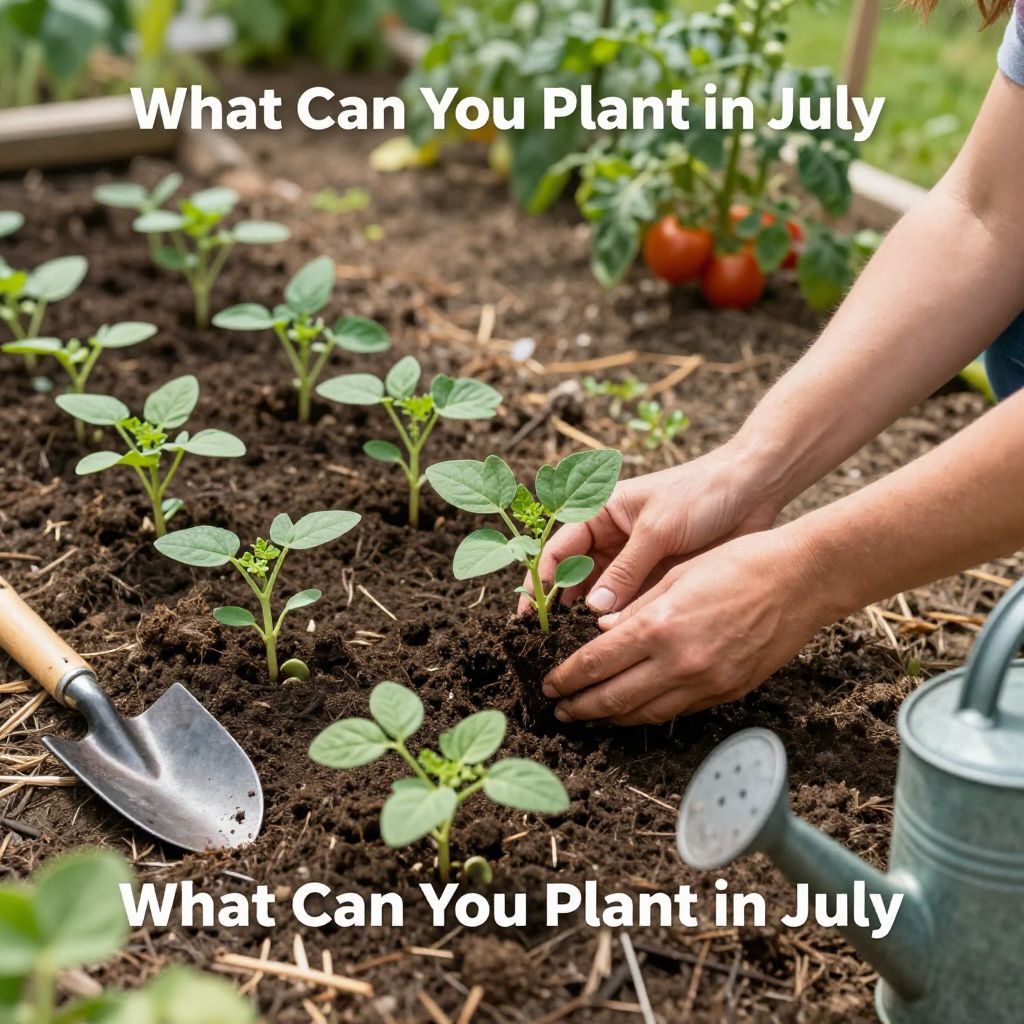
If you’re wondering what can you plant in July, the answer depends on your climate, but there are still plenty of productive choices. In many regions, July is a month for fast-growing vegetables, succession sowing, heat-tolerant greens, herbs, and late-season flowers. It’s also a good time to manage soil moisture, shade, and pests so new plantings establish well.
The key is to match the plant to your local weather and the number of weeks left in your growing season. In hot-summer areas, focus on heat lovers and fall crops; in cooler climates, you may still have time for another round of quick crops.
What can you plant in July?
In July, you can plant quick-maturing vegetables, heat-tolerant herbs, and many late-season flowers, especially if your area still has 6 to 10 weeks of warm weather left. Good options often include bush beans, beets, carrots, radishes, lettuce, spinach in cooler spots, kale, cilantro, dill, basil, and marigolds, zinnias, or nasturtiums.
Best vegetables to plant in July
July planting is often about speed. Choose crops that germinate quickly, grow fast, or can handle warm soil and shorter days ahead.
Fast-growing crops for a July sowing
- Radishes – one of the quickest crops from seed, often ready in a few weeks.
- Bush beans – strong performers in warm soil and a reliable midsummer planting.
- Beets – both roots and greens are useful, and many varieties mature fairly quickly.
- Carrots – best if your soil is loose and not too rocky; choose shorter types if time is limited.
- Turnips – a good choice for a late-summer or early-fall harvest.
- Swiss chard – heat tolerant and productive through late summer in many gardens.
If your season is long enough, you may also sow another round of sweet corn, cucumbers, or summer squash. These need warm conditions and enough time before cool nights arrive, so check the days to maturity on the seed packet.
Leafy greens for cooler pockets or fall harvests
Some greens struggle in peak heat, but they can still work in partial shade, with regular moisture, or as a fall crop started in July.
- Lettuce – best in cooler microclimates or under light shade cloth.
- Arugula – fast and flavorful, though it can bolt in hot weather.
- Kale – often improves in flavor after cooler nights.
- Spinach – usually better for late-summer sowing in cooler regions.
Tip: If your July temperatures are very hot, direct-sow greens in the coolest part of the garden or start them in containers that can be moved into afternoon shade.
Herbs you can plant in July
Many herbs do well in warm soil and can be planted from seed or transplants in July.
- Basil – thrives in heat and benefits from regular pinching.
- Cilantro – may bolt quickly in heat, so sow in partial shade if possible.
- Dill – useful for pollinators and quick to establish.
- Parsley – slower to germinate, but still worth sowing in many regions.
- Chives – dependable and easy to tuck into beds or containers.
Flowers you can plant in July
July is a useful month for adding color, especially with annual flowers that enjoy warm soil and long daylight. These can fill gaps in borders, support pollinators, and keep containers looking fresh.
Annual flowers for quick color
- Zinnias – excellent in heat and a favorite for cutting gardens.
- Marigolds – easy to grow and helpful for bright edging and mixed beds.
- Cosmos – airy, drought-tolerant once established, and good for pollinators.
- Nasturtiums – useful in beds, containers, or as a trailing plant.
- Sunflowers – choose shorter or faster varieties if the season is already moving on.
If you want flowers for late summer and fall, July can also be a good time to start some perennials or biennials from seed, depending on your region. Always check whether the plant needs a long growing season to bloom the following year.
How to decide what to plant based on your climate
July planting is not one-size-fits-all. Your local frost dates, summer heat, and soil temperature matter more than the calendar alone.
In hot-summer climates
Focus on heat-loving crops and fall vegetables. Direct-sow beans, okra where suitable, cucumbers, squash, basil, and warm-season flowers. For cool-season crops, wait until late summer or start them in partial shade for a fall harvest.
In cooler or shorter-season climates
You may still have time for another sowing of fast crops like radishes, lettuce, and beans. July is also a good month to start planning fall crops by sowing carrots, beets, kale, and turnips for an autumn harvest.
In very dry areas
Choose drought-tolerant plants and prepare to water more carefully during establishment. Mulch helps reduce evaporation, and planting in the evening or on a cloudy day can lower transplant stress.
How to plant successfully in July
Warm soil can help seeds sprout quickly, but July heat can also dry the surface fast. Good preparation makes a big difference.
- Clear the bed of spent crops, weeds, and debris that could harbor pests or disease.
- Loosen the soil and mix in compost if the bed is tired or compacted.
- Water the bed first so dry soil does not repel moisture from new seeds or transplants.
- Sow at the correct depth according to the seed packet, usually about 2 to 3 times the seed’s width.
- Keep the surface evenly moist until seedlings emerge.
- Mulch lightly once seedlings are established to conserve water and moderate soil temperature.
Important: In hot weather, seeds can fail if the top layer of soil dries out even once. Check daily during germination, especially in raised beds and containers.
Soil, compost, and drainage for July plantings
Healthy soil is one of the best ways to improve July planting success. Compost helps sandy soil hold moisture and helps heavier soil stay more workable.
- Add 1 to 2 inches of compost over the bed and work it in lightly if the soil is poor or depleted.
- Make sure beds drain well, because soggy soil can rot seeds and young roots.
- For containers, use a high-quality potting mix rather than garden soil.
- Top-dress around established plants with compost if they need a gentle boost.
If your soil crusts over after watering, seedlings may struggle to break through. A fine mulch, a light rake after watering, or a thin layer of compost can help reduce crusting.
Watering and shade care in midsummer
July heat can be the biggest challenge for new plantings. The goal is to keep moisture steady without waterlogging the soil.
Watering tips that actually help
- Water deeply so moisture reaches the root zone.
- Water early in the morning when possible to reduce evaporation.
- Use a soaker hose or drip irrigation for beds to keep foliage drier.
- Check containers more often, since they dry out faster than in-ground beds.
New transplants may need extra attention for the first 1 to 2 weeks. Wilting in the afternoon can be normal in intense heat, but if plants do not recover by evening, they need water or temporary shade.
When to use shade cloth or temporary cover
Light shade cloth can protect tender seedlings, lettuce, and newly transplanted crops during extreme heat. You can also use a garden umbrella, row cover supported above the plants, or the shade of taller crops if airflow remains good.
Common mistakes when planting in July
Many July planting problems come from heat stress, poor timing, or rushing the setup.
- Planting cool-season crops in full heat without shade or a fall plan.
- Letting seedbeds dry out during germination.
- Using too much fertilizer, which can push weak growth in hot weather.
- Ignoring spacing, which reduces airflow and increases disease pressure.
- Skipping pest checks when tender new growth is most vulnerable.
Another common mistake is planting too late for the crop to finish before weather changes. Always compare the crop’s days to maturity with the time left in your season.
Pests and diseases to watch for
Warm weather brings fast growth, but it also brings pests. Young plants are especially attractive to insects and can decline quickly if overlooked.
Watch for these common issues
- Aphids on tender shoots and undersides of leaves.
- Flea beetles on brassicas and young greens.
- Spider mites during hot, dry spells.
- Powdery mildew on crowded or stressed plants.
- Root rot in poorly drained soil or overwatered containers.
Good spacing, clean tools, and regular inspection go a long way. If you spot pests early, a strong spray of water, hand-picking, or removing badly damaged leaves may be enough to keep the problem manageable.
Can you plant in containers in July?
Yes. Containers are often one of the easiest ways to plant in July because you can control soil quality, move pots for shade, and keep a closer eye on moisture.
Choose larger containers so roots do not overheat and dry out too quickly. Herbs, lettuce, bush beans, dwarf flowers, and compact tomatoes can all work well if they receive enough sun and regular watering.
- Use drainage holes in every container.
- Choose a potting mix that drains well but still holds moisture.
- Group pots together to reduce drying from wind.
- Mulch the surface with fine bark or compost to slow evaporation.
What to harvest and maintain in July
July is not only for planting. It is also a good time to keep existing crops productive so they make room for new sowings.
- Harvest beans, cucumbers, zucchini, and herbs often to keep plants producing.
- Pinch basil regularly to encourage branching.
- Remove spent lettuce or bolting greens to reduce pest buildup.
- Cut back overgrown herbs and trim damaged leaves from crowded beds.
Keeping the garden tidy improves airflow and makes space for succession planting. It also helps you spot problems before they spread.
Simple July planting checklist
- Check your local frost dates and estimate how much warm weather remains.
- Choose fast crops, heat lovers, or fall crops suited to your region.
- Refresh the soil with compost if needed.
- Plant in moist soil and keep it evenly watered until established.
- Use mulch or shade where summer heat is intense.
- Watch for pests, bolting, and dry soil.
Conclusion
If you’re asking what can you plant in July, start with crops that fit your climate and your remaining growing season. Fast vegetables, heat-tolerant herbs, and summer annual flowers are all realistic choices when you prepare the soil, manage moisture, and protect young plants from extreme heat.
For more seasonal garden planning, you may also want to read about succession planting in the vegetable garden and starting a fall vegetable garden.