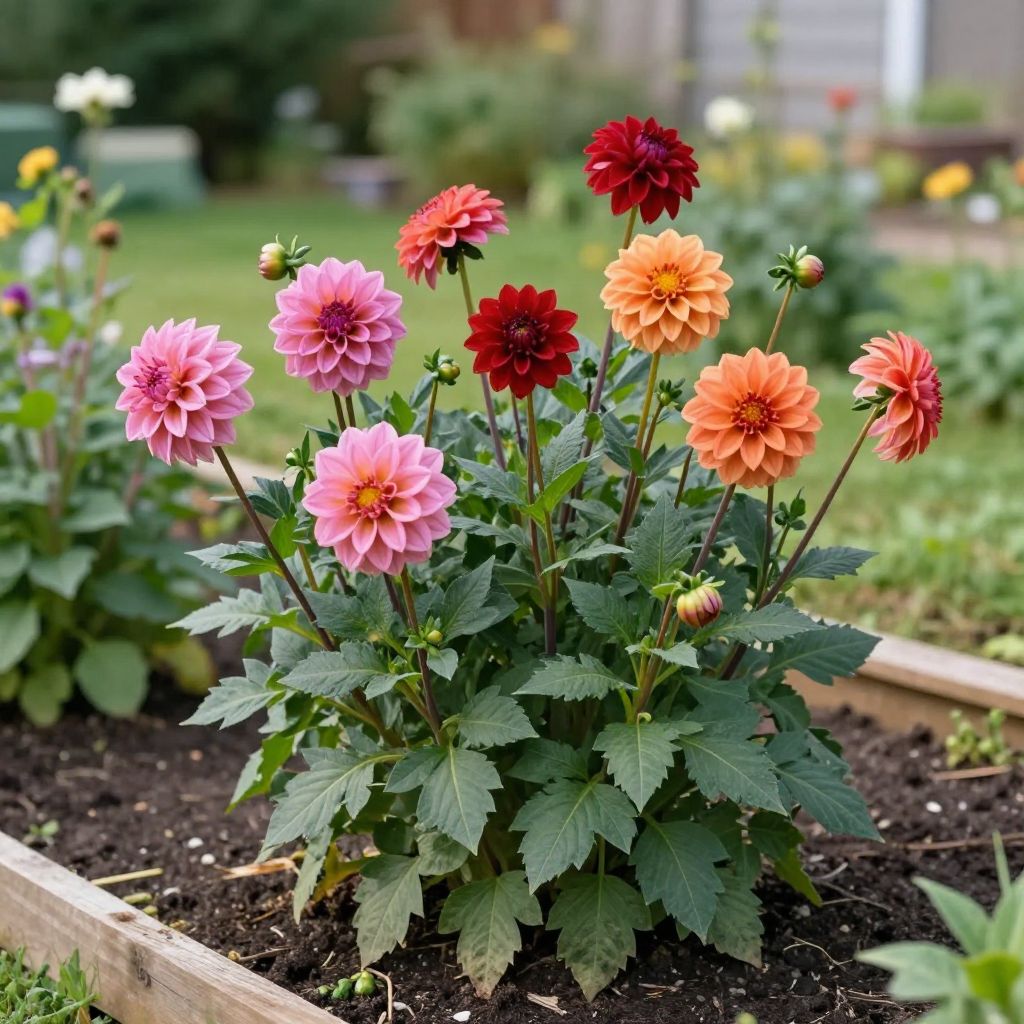
Wondering when are dahlias in season? The short answer is that dahlias usually bloom from midsummer until the first frost, with the best display often from late summer into early autumn. Exact timing depends on your climate, planting date, tuber size, and how much sun and warmth the plants receive.
If you want the longest possible flowering season, the key is to get dahlias off to a strong start, keep them growing steadily, and protect them from cold. Here’s how to understand their season and make the most of it in your garden.
When are dahlias in season?
Dahlias are typically in season from mid-summer through fall, with peak flowering often in August, September, and October in many temperate gardens. They begin blooming about 8 to 12 weeks after planting, and they keep going until frost stops them. In warmer climates, they may flower for even longer.
Understanding the dahlia growing season
Dahlias are tender perennials grown from tubers. They do not like cold soil, and they grow best once the weather has warmed and the risk of frost has passed. That means their season is usually tied to your local spring planting window and the arrival of autumn frost.
What affects bloom timing?
- Climate: Cool springs delay growth; warm summers speed it up.
- Planting date: Earlier planting after frost can lead to earlier blooms.
- Light: Full sun encourages stronger flowering.
- Variety: Some dahlias bloom earlier than others.
- Plant size: Tubers with at least one healthy eye usually establish faster.
If you buy dahlia plants instead of tubers, the season may seem earlier because the plant has already started growing. Tubers planted directly into the garden usually need more time before flowering.
When to plant dahlias for the best season
Plant dahlias only after the soil has warmed and frost danger has passed. In many regions, that means late spring, but the right timing depends on your local conditions. Cold, wet soil can cause tubers to rot before they sprout.
Practical planting tips
- Choose a site with at least 6 to 8 hours of direct sun.
- Plant in well-drained soil enriched with compost.
- Set tubers about 4 to 6 inches deep, depending on soil type and local guidance.
- Space plants so air can circulate freely around them.
- Water lightly after planting, then wait for shoots to emerge before increasing watering.
In cooler climates, many gardeners start tubers in pots indoors or in a protected spot, then transplant them outside after frost. This can give you an earlier start, but avoid planting them into cold ground too soon.
How to keep dahlias flowering longer
Once dahlias start blooming, good maintenance can extend the season well into fall. The goal is steady growth, not lush leafy growth at the expense of flowers.
Sunlight and spacing
Dahlias flower best in full sun. In very hot climates, a little afternoon shade can help prevent stress, but too much shade usually means fewer blooms and weaker stems.
Give plants enough room so they do not crowd each other. Dense planting can increase humidity around the foliage and raise the risk of powdery mildew and other diseases.
Watering the right way
Water deeply when the soil starts to dry, especially during hot spells. Dahlias prefer consistent moisture, but they do not want soggy soil.
- Water at the base of the plant rather than overhead when possible.
- Mulch lightly to help the soil hold moisture and reduce weeds.
- Avoid frequent shallow watering, which can encourage weak roots.
Newly planted tubers need a little more caution than established plants. Too much water before growth begins is one of the most common reasons tubers fail.
Deadheading and cutting flowers
Removing spent blooms encourages more flowers. Cut stems back to a set of leaves or a side shoot rather than just snapping off the flower head.
If you want long stems for arranging, harvest regularly. Cutting flowers often helps the plant redirect energy into new buds.
Pinching for bushier plants
When young plants are about 12 to 16 inches tall, pinching out the growing tip can encourage branching. This often creates sturdier plants with more flowering stems later in the season.
Do not pinch too late in the season if your climate has a short growing window, because it can delay flowering.
What to expect in different climates
The answer to when are dahlias in season changes with your region. In some places, they bloom from July until frost. In warmer areas, they may start earlier and continue longer. In cooler regions, the season may be shorter but still showy.
Cooler climates
In short-season gardens, dahlias may not bloom until late summer. Starting tubers indoors or choosing earlier-flowering varieties can help. A sunny, sheltered site also makes a difference.
Warmer climates
In places with mild winters, dahlias can begin earlier and flower for a longer stretch. However, extreme heat can reduce bloom quality, so regular watering and mulch become more important.
Frost-prone areas
Once frost blackens the foliage, flowering ends. If your first frost comes early, focus on getting plants established quickly and choose a site that warms up fast in spring.
Common problems that shorten the dahlia season
Several issues can reduce flowering or stop it early. Most are preventable with good site selection and basic care.
Too much shade
Shade is one of the biggest reasons dahlias produce lots of leaves but few flowers. If your plants are stretched and sparse, move them to a brighter spot next season.
Poor drainage
Waterlogged soil can rot tubers and weaken roots. If your garden stays wet, grow dahlias in raised beds or improved soil with better drainage.
Overfertilizing with nitrogen
Too much nitrogen can push leafy growth at the expense of blooms. Use a balanced approach and avoid heavy feeding unless your soil truly needs it.
Pests and disease
Slugs, snails, aphids, earwigs, and spider mites can all affect dahlias. Powdery mildew may appear in crowded or dry, stressed plantings, while rot can happen in overly wet conditions.
- Check new growth regularly for pests.
- Remove damaged leaves when needed.
- Keep the base of the plant clean and well aired.
- Dispose of badly diseased foliage rather than composting it if disease pressure is high.
Harvesting dahlias for bouquets
If you grow dahlias for cutting, the best harvest season is often late summer through fall when plants are producing the most stems. Cut flowers in the morning or evening when temperatures are cooler.
How to cut for longer vase life
- Choose blooms that are nearly open, not fully aged.
- Use clean, sharp pruners or snips.
- Cut stems long enough to encourage future side shoots.
- Place cut stems immediately into water.
- Remove any foliage that would sit below the waterline.
Regular harvesting can actually improve the display in the garden because it keeps the plant producing new stems.
Should you lift and store dahlias after the season?
In frost-free or very mild climates, dahlias may stay in the ground year-round. In colder regions, tubers are often lifted after frost and stored for winter. Whether you dig them up depends on your winter temperatures and soil drainage.
When to lift tubers
Wait until frost has blackened the top growth, then cut stems back and lift the tubers carefully. Let them dry briefly, then store them in a cool, dry, frost-free place with some air circulation.
Do not store tubers while they are wet, and do not let them freeze. Both can ruin them before next season.
Simple seasonal checklist for dahlias
- Spring: Plant after frost in warm, well-drained soil.
- Early summer: Watch for shoots, water carefully, and stake tall varieties.
- Midsummer to fall: Deadhead, harvest flowers, and monitor pests.
- After frost: Lift tubers in cold climates or leave them in place where winters are mild.
Final take on dahlia season
Dahlias are in season from midsummer to frost in most gardens, with the strongest flowering usually in late summer and early autumn. If you plant them in warm soil, give them full sun, and keep them well watered but not soggy, you can enjoy a long, reliable bloom period.
If you want to plan your garden next, it may help to read more about growing cut flowers for a long bloom season and fall garden care tips.