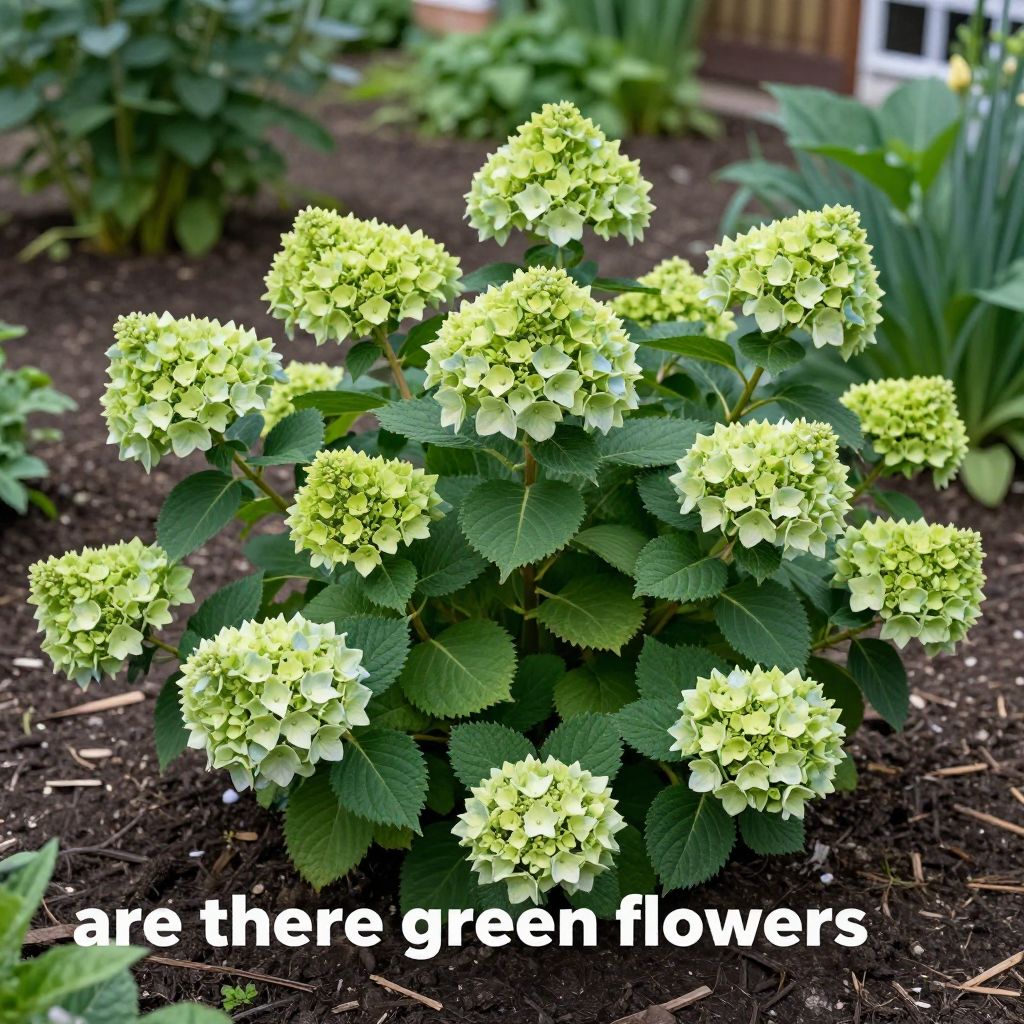
Are there green flowers? Yes—many plants produce blooms that are naturally green, from subtle, airy blossoms to bold, sculptural flowers that look almost leafy at first glance.
Green flowers can be striking in borders, containers, and cut arrangements, but they often work differently from brighter blooms. Some are true flowers, while others are flower parts or bracts that appear green, so knowing what you’re growing helps you care for them properly.
Are there green flowers?
Yes, green flowers do exist, and they’re more common than many gardeners realize. Some are naturally green because of their flower structure, while others keep green bracts or sepals that look like petals. They often prefer the same basic care as other ornamentals: good light, well-drained soil, and consistent moisture without waterlogging.
What makes a flower look green?
Not every “green flower” is a traditional petal bloom. In many cases, the green color comes from parts of the flower that are normally hidden or overlooked.
Common reasons flowers appear green
- Green petals in some cultivars and species.
- Bracts, which are modified leaves surrounding the actual flower.
- Sepals that stay visible and stay green after the bloom opens.
- Immature flowers that begin green and change color as they mature.
That’s why green blooms can range from soft, chartreuse tones to deeper greenish-white shades. In the garden, they’re often chosen for texture and contrast rather than bright color.
Popular green flowers to grow
If you want green flowers in your garden, start with plants known for reliable green tones. Some are annuals, some perennials, and some are shrubs or bulbs with green-tinted blooms.
Examples gardeners often grow
- Green hydrangeas (Hydrangea spp.) — many varieties age to green as blooms mature.
- Hellebores (Helleborus spp.) — some cultivars have green or greenish flowers.
- Zinnias with green-flowered forms — useful in summer beds and cutting gardens.
- Green roses such as the cultivar ‘Green Rose’ — grown more for novelty and texture than fragrance.
- Green chrysanthemums — popular in late-season displays and arrangements.
- Green hellebores and euphorbias — valued for early-season or long-lasting structure.
Always check the plant tag or cultivar name before buying. Some flowers sold as “green” are actually white blooms with green centers or bracts, which still gives the effect you want in the landscape.
How to grow green flowers successfully
Most green-flowered plants are not difficult, but they do best when you match their needs to the species. The biggest mistake is assuming all green flowers want the same conditions.
1. Match the plant to your light
Light needs vary widely. Some green-flowering plants thrive in full sun, while others prefer partial shade.
- Full sun: Many annuals and summer bloomers need at least 6 hours of direct sun.
- Partial shade: Hellebores, some hydrangeas, and woodland-type plants often do better with morning sun and afternoon shade.
- Too much shade: Can reduce flowering and make stems leggy.
If your garden is very hot, a plant that tolerates full sun in cooler regions may need afternoon protection where summers are intense.
2. Use well-drained, fertile soil
Most flowering plants dislike soggy roots. Aim for soil that holds moisture but drains freely.
- Work in compost to improve soil structure.
- Break up compacted ground before planting.
- Avoid heavy, constantly wet spots unless the plant naturally likes moisture.
For containers, use a quality potting mix rather than garden soil. Pots must have drainage holes so roots do not stay wet after watering.
3. Water consistently, not excessively
Green-flowered plants need regular moisture while they establish and bloom, but overwatering can cause root rot and weak growth.
- Water deeply when the top inch or two of soil feels dry, depending on plant type and weather.
- Water at the base of the plant to keep foliage drier.
- Mulch around outdoor plants to slow evaporation and reduce weeds.
During hot, windy weather, containers may need water more often than in-ground plants. In cool or rainy periods, cut back and check soil before watering again.
4. Feed lightly and appropriately
Too much nitrogen can push leafy growth at the expense of flowers. A balanced approach usually works best.
- Mix compost into beds before planting.
- Use a balanced fertilizer only if the plant needs it and your soil is low in fertility.
- Avoid heavy feeding late in the season unless the plant specifically benefits from it.
For many flowering plants, healthy soil and steady moisture matter more than frequent fertilizing.
Green flowers in containers and small gardens
Green blooms can be especially useful in containers because they soften strong color combinations and add a calm, elegant look. They pair well with silver foliage, white flowers, deep purple plants, and variegated leaves.
Container care basics
- Choose a pot large enough for root growth.
- Use fresh potting mix each season or refresh the top layer if the plant is perennial.
- Keep drainage holes clear.
- Rotate pots occasionally so plants grow evenly toward the light.
In small spaces, green flowers are useful because they create visual interest without overwhelming the planting scheme. They can also make a garden feel cooler and more refined in bright summer light.
Pruning, deadheading, and maintenance
Care depends on the plant, but basic maintenance helps most green-flowered species stay tidy and productive.
What to do during the season
- Deadhead spent blooms if the plant reblooms or looks untidy.
- Remove damaged or diseased stems promptly.
- Cut back overcrowded growth to improve air circulation.
- Support tall stems if flowers are heavy or floppy.
Some green flowers, especially those grown for dried arrangements or winter interest, should be left on the plant longer. In those cases, avoid over-pruning before the display is finished.
Common problems with green-flowering plants
Green flowers can be healthy and attractive, but they still face the same garden problems as other ornamentals. Catching issues early keeps blooms looking their best.
Why flowers may not stay green
- Too much sun or heat can fade color.
- Age can shift blooms from one shade to another.
- Soil stress from poor drainage or drought can reduce flower quality.
- Variety differences mean some plants naturally change color as they mature.
Pests and diseases to watch for
- Aphids on soft new growth.
- Powdery mildew in humid, crowded plantings.
- Botrytis or gray mold on spent or damaged blooms.
- Root rot in poorly drained soil or overwatered containers.
Good spacing, clean tools, and watering at soil level prevent many problems. If a plant keeps declining, check roots, drainage, and light before assuming it needs more fertilizer.
How to use green flowers in the landscape
Green flowers are excellent for gardeners who want subtle color, texture, and a more natural look. They can calm busy plantings and make nearby colors stand out more strongly.
Design ideas
- Plant them beside white flowers for a fresh, elegant effect.
- Pair them with purple or burgundy foliage for strong contrast.
- Use them in shade gardens to echo foliage tones.
- Mix them with silver-leaved plants for a cool, refined palette.
Because green flowers can blend into foliage, place them where you’ll see them up close. They’re especially effective along paths, near patios, or in containers at eye level.
Growing green flowers from seed, divisions, or cuttings
Propagation depends on the species. Some green-flowered annuals are easy from seed, while many perennials and shrubs are best propagated by division or cuttings.
General propagation tips
- Choose healthy parent plants with the flower color and form you want.
- Use clean tools to avoid spreading disease.
- Start seeds in a suitable medium, not heavy garden soil.
- Keep new plants evenly moist until roots establish.
- Harden off seedlings before moving them outdoors.
If you want a specific green-flowered cultivar, propagation by seed may not produce identical results. Named varieties are often best preserved by division or cuttings, depending on the plant.
Best care tips by season
Seasonal care helps green flowers look their best and reduces stress on the plant.
Spring
- Prepare beds with compost.
- Plant after the soil is workable and frost risk has passed for tender types.
- Watch for early pests on fresh growth.
Summer
- Water deeply during dry spells.
- Mulch to conserve moisture.
- Deadhead if the plant benefits from repeat blooming.
Autumn
- Reduce feeding as growth slows.
- Divide crowded perennials if the species tolerates it.
- Leave attractive seedheads or blooms if they add winter interest.
Winter
- Protect tender plants from frost as needed.
- Avoid waterlogged soil around dormant roots.
- Plan next season’s planting scheme based on what performed well.
Conclusion
So, are there green flowers? Absolutely—and they can be some of the most elegant and versatile plants in the garden. Choose the right species for your light and soil, water carefully, and avoid overcrowding so the blooms can shine. If you’re planning a new bed, start with one green-flowered plant and build your color scheme around it.
If you’d like to expand your planting palette, you may also enjoy reading about how to choose the right soil for flowering plants and simple deadheading tips for longer blooms.