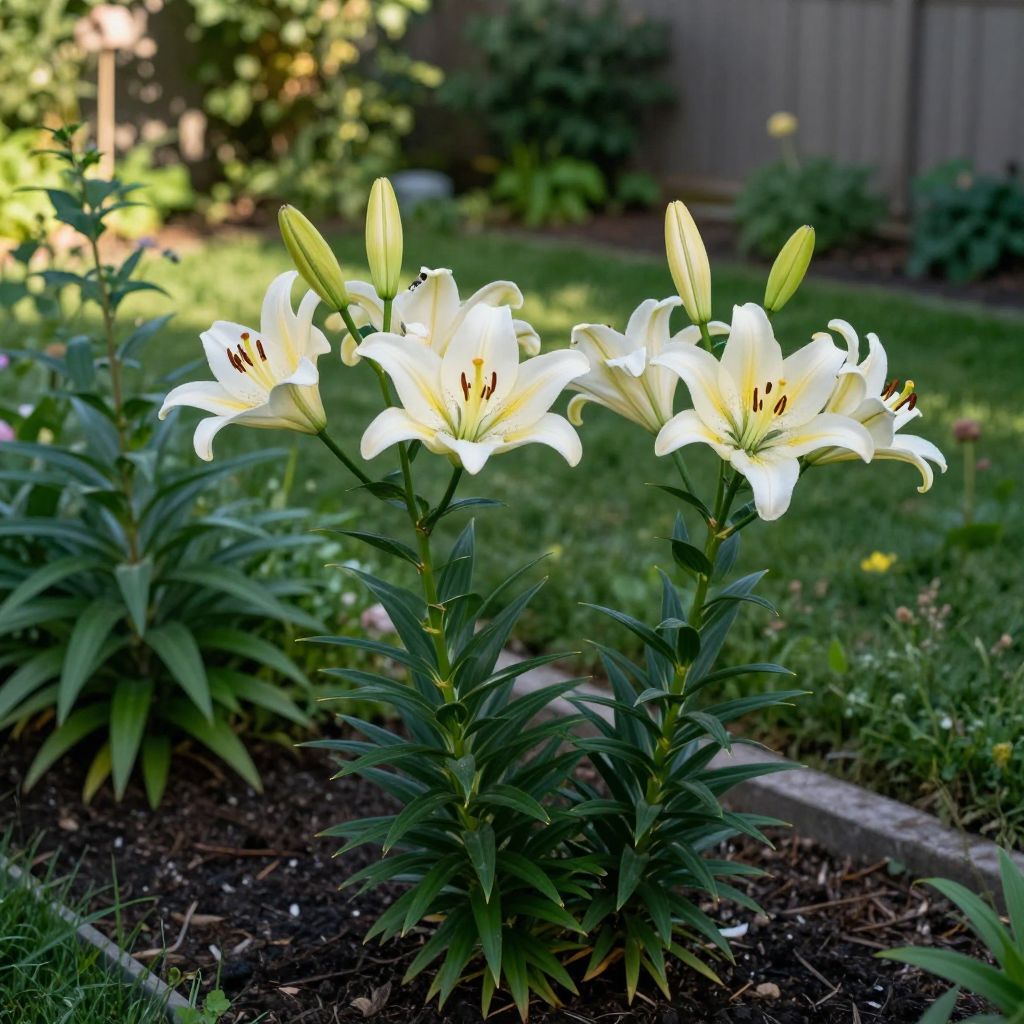
When are lilies in season? If you want blooms at the right time, the answer depends on the type of lily, your climate, and whether you mean bulbs, flowers, or cut stems. Most garden lilies bloom from late spring through summer, with some varieties opening earlier or later than others.
Understanding lily season helps you plant at the right time, enjoy longer bloom displays, and avoid common mistakes like buying bulbs too late or expecting flowers from newly planted bulbs too soon. Here’s how lily timing works in real gardens.
When are lilies in season?
Most garden lilies bloom from late spring through midsummer, with some types flowering into late summer. Asiatic lilies usually bloom first, followed by Oriental lilies and other hybrids. Lily bulbs are typically planted in fall or early spring, depending on your climate and local frost dates.
What affects lily season?
Lily bloom time is not the same everywhere. Temperature, daylight, bulb maturity, and variety all influence when flowers open and how long they last.
1. Lily type
- Asiatic lilies often bloom earliest, usually in late spring to early summer.
- Oriental lilies tend to bloom later, often in midsummer.
- Trumpet and species lilies may bloom at different points depending on the cultivar and climate.
2. Your climate
In cooler regions, lilies often bloom later than they do in warm areas. In hot climates, flowering may come earlier but sometimes finish faster if plants are stressed by heat.
3. Sun and soil conditions
Lilies bloom best with full sun to partial sun and well-drained soil. Too much shade can reduce flowering, while soggy soil can rot bulbs and delay or prevent blooms.
4. Bulb age and plant health
Freshly planted bulbs may need a season to settle in before they bloom heavily. Established clumps usually flower more reliably, provided they are not overcrowded or depleted.
Typical lily bloom periods by season
While exact timing varies, this general pattern helps you plan a longer display in the garden by choosing different lily types.
- Late spring: Early Asiatic lilies may begin opening.
- Early to midsummer: Many Asiatic and LA hybrid lilies flower.
- Midsummer: Oriental lilies often reach peak bloom.
- Late summer: Some later-blooming lilies and repeat-flowering combinations may still be showing color.
If you want lilies in bloom for as long as possible, plant a mix of early, midseason, and late varieties rather than relying on one type alone.
When to plant lily bulbs for the best season
The best planting time depends on your winters and soil conditions. In many gardens, lily bulbs are planted in fall or early spring, when the soil is workable and not waterlogged.
Fall planting
Fall planting works well in many climates because bulbs can establish roots before winter. This often leads to stronger growth and better bloom the following season.
Spring planting
If your winters are severe, or if you missed fall planting, spring is still a good option. Just remember that spring-planted bulbs may bloom a bit later or less strongly in their first year.
Avoid these timing mistakes
- Planting bulbs in frozen soil.
- Leaving bulbs exposed and dry for too long before planting.
- Expecting immediate flowers from very small or newly divided bulbs.
How to get lilies blooming at the right time
Good timing starts with good growing conditions. Lilies are not difficult, but they do need the right foundation to bloom on schedule.
- Choose a sunny site. Aim for at least 6 hours of sun, though some afternoon shade can help in hot regions.
- Prepare well-drained soil. Lilies dislike wet feet, so improve heavy soil with compost and, if needed, grit or raised beds.
- Plant bulbs at the proper depth. A common rule is about 3 times the bulb’s height, though exact depth can vary by type and soil.
- Water after planting. Keep soil lightly moist while roots establish, but never soggy.
- Mulch lightly. Mulch helps regulate soil temperature and moisture, especially in spring.
Important: Lilies bloom best when their roots stay cool and their tops get sun. A low-growing mulch or companion plants can help shade the soil without crowding the stems.
How long do lilies stay in bloom?
Individual lily flowers usually last about a week or a little longer, but a single stem may carry several buds that open in sequence. That means the plant can look attractive for two weeks or more, and a whole planting can bloom for longer if different varieties are staggered.
To extend the season, remove spent flowers promptly and keep the plant healthy so later buds can open cleanly.
Cut lilies: when are they in season for bouquets?
If you grow lilies for cutting, the best harvest window is when the first buds are showing color but are not fully open. That stage gives you a longer vase life and helps the remaining buds open indoors.
Best time to cut
- Cut in the cool part of the morning.
- Choose stems with one or two buds just starting to color.
- Use clean, sharp pruners or a knife.
- Leave enough foliage on the plant to feed the bulb for next year.
Do not cut every stem down at once if you want the bulb to recharge. The leaves are important for storing energy after flowering.
Deadheading, pruning, and post-bloom care
Once lilies finish flowering, a little maintenance helps the bulbs prepare for next year’s season.
What to remove
- Snip off faded flowers before seed pods form, unless you want seed.
- Leave the stem and leaves in place until they yellow naturally.
- Cut stems back only after the foliage has died down.
Why this matters
The leaves feed the bulb after bloom. If you cut the plant back too early, next year’s flowering may be weaker.
Common problems that affect lily season
If your lilies are blooming late, weakly, or not at all, the issue is often cultural rather than seasonal. Here are the most common causes.
Too much shade
Lilies in heavy shade may grow tall and floppy with few flowers. Move them to a brighter site if possible, or thin nearby plants that block light.
Poor drainage
Bulbs in wet soil may rot before they bloom. If the site stays soggy after rain, try raised beds, containers, or a better-drained border.
Overcrowding
Established clumps can become congested over time. If flowering declines, dig and divide bulbs during dormancy, then replant them with space between bulbs.
Pests and disease
Watch for lily beetles, aphids, and fungal problems such as botrytis. Remove damaged foliage, improve air circulation, and avoid overhead watering in the evening.
Can you adjust lily bloom time?
You cannot precisely force garden lilies to bloom on a fixed date outdoors, but you can influence the season a little by choosing varieties and managing conditions well.
- Plant early, midseason, and late-blooming types for a longer display.
- Grow some lilies in containers for easier placement in sun.
- Protect emerging shoots from late frost with fleece or a cloche if needed.
- Keep plants evenly watered during active growth, especially in dry spells.
In containers, lilies may bloom slightly earlier or later than those in the ground, depending on pot size, warmth, and exposure. Container-grown bulbs also dry out faster, so check moisture more often.
How to tell if your lilies are on schedule
Healthy lilies usually send up strong stems in spring, then form buds as temperatures warm. If the stems are sturdy and the foliage is deep green, your plants are likely on track even if buds have not opened yet.
Be patient with newly planted bulbs. It is normal for them to spend their first season building roots before producing a full flower display.
Conclusion: plan your lily season for better blooms
When are lilies in season? In most gardens, they bloom from late spring through summer, with timing shaped by variety, climate, and growing conditions. If you want a longer display, plant a mix of lily types, give them sun and drainage, and avoid cutting foliage too early.
For more practical bulb-growing advice, you may also want to read about how to plant bulbs for spring flowers and how to care for flowering bulbs after bloom.