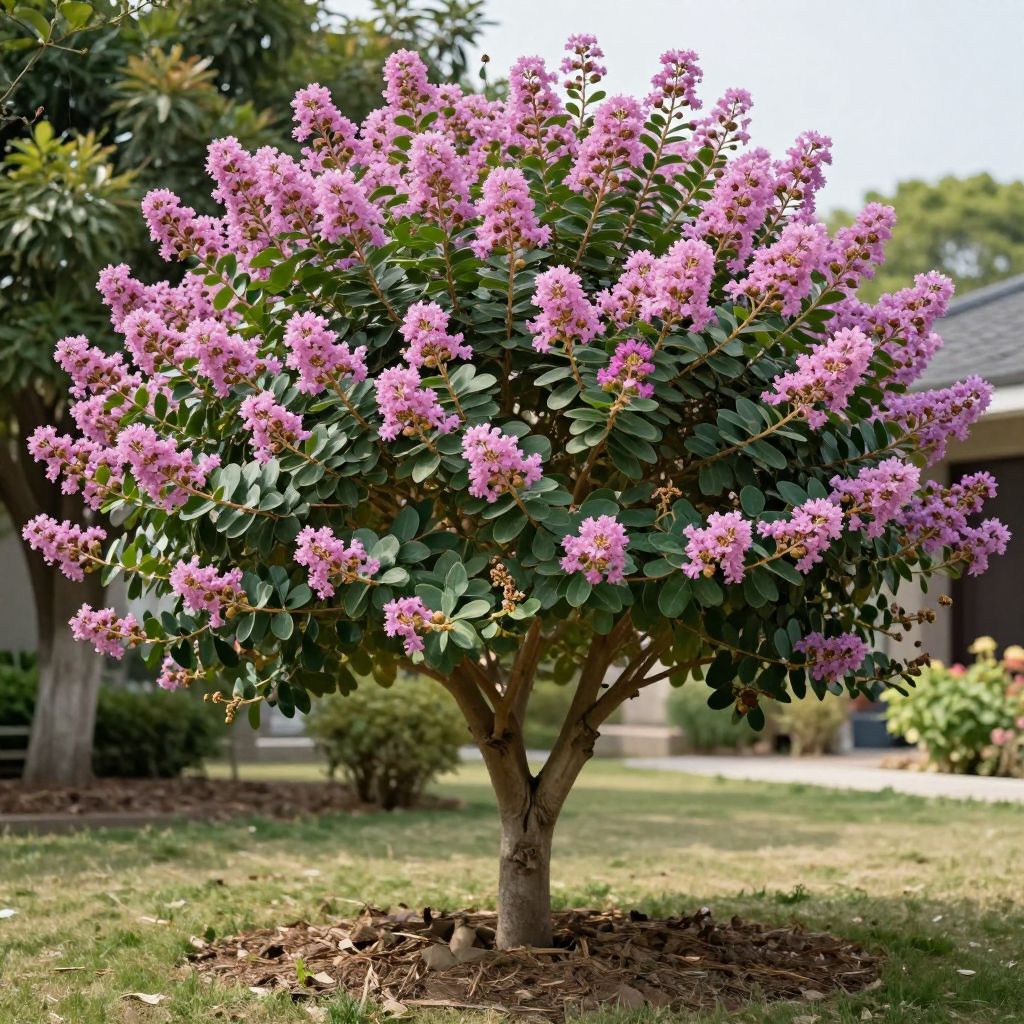
Wondering when do crape myrtles bloom? These popular flowering shrubs and small trees usually bloom in summer, often starting in late spring to early summer in warm climates and continuing into fall if conditions are right. The exact timing depends on variety, sunlight, pruning, temperature, and how well the plant is growing.
If your crape myrtle is not blooming yet, the issue is often too little sun, improper pruning, or stress from drought, poor drainage, or cold weather. The good news is that healthy plants are generally reliable bloomers once they are established and growing in the right site.
When do crape myrtles bloom?
Crape myrtles typically bloom from late spring or early summer through late summer, with flowering often lasting 60 to 120 days or longer. In warmer regions, bloom can begin earlier and continue well into fall. In cooler climates, flowering may start later and finish sooner, especially after a cold spring.
What affects bloom time?
Bloom time is not fixed on the calendar. It shifts with weather, plant age, and growing conditions, so two crape myrtles in different parts of the same yard may bloom at different times.
Sunlight
Crape myrtles bloom best in full sun, meaning at least 6 hours of direct sun daily. In partial shade, they may grow but produce fewer flowers and may bloom later.
Climate and location
Warmer areas usually get earlier bloom, while cooler regions may see flowering delayed until the plant has had enough heat. A late frost can also slow new growth and push bloom back.
Plant maturity
Young crape myrtles often spend their first season or two building roots and branches. Mature plants usually bloom more heavily and more predictably than newly planted ones.
Pruning habits
Heavy pruning, especially the common mistake of cutting stems back hard every year, can reduce or delay flowering. Crape myrtles bloom on new growth, but overpruning can force a flush of weak shoots instead of balanced flowering.
Water and stress
Very dry soil, compacted roots, or poor drainage can reduce bloom. Stress can also shorten the flowering period, even if the plant starts blooming on time.
How to encourage more blooms
If you want stronger flowering, focus on steady care rather than trying to force the plant. Healthy crape myrtles bloom more reliably when their basic needs are met.
- Plant in full sun. Choose the brightest location you have.
- Use well-drained soil. Crape myrtles dislike soggy roots.
- Water deeply during establishment. Newly planted shrubs and trees need regular moisture until rooted in.
- Mulch lightly. A 2- to 3-inch layer helps conserve moisture and moderate soil temperature.
- Avoid excessive nitrogen fertilizer. Too much nitrogen can produce leafy growth at the expense of flowers.
- Prune correctly. Remove only crossing, damaged, or crowded branches unless shaping is truly needed.
Best soil conditions
Crape myrtles adapt to many soil types, but they perform best in soil that drains well and is not constantly waterlogged. If your soil is heavy clay, improve drainage by planting on a slight mound or choosing a better-drained site.
Watering the right way
Water newly planted crape myrtles deeply when the top few inches of soil begin to dry. Once established, they are fairly drought tolerant, but they bloom better with consistent moisture during hot, dry spells.
Why a crape myrtle may not be blooming
If your plant is healthy-looking but not flowering, the cause is usually one of a few common issues. Start by checking site conditions before assuming the plant is failing.
- Too much shade: Even light shade can reduce blooms.
- Overpruning: Hard cutting can remove flowering wood and trigger weak regrowth.
- Too much fertilizer: High-nitrogen feeding often encourages leaves over flowers.
- Cold damage: Late frosts or winter injury can delay bloom.
- Transplant stress: Newly planted specimens may bloom lightly at first.
- Poor drainage: Roots stressed by wet soil may not support good flowering.
How long should you wait?
A newly planted crape myrtle may need a full growing season, sometimes longer, before it blooms heavily. If a mature plant has gone several seasons without flowering, site conditions or pruning practices are usually the first things to correct.
Pruning and bloom timing
Pruning affects both the amount and timing of bloom. The best approach is usually minimal pruning, done for structure rather than size control.
Remove dead wood, rubbing branches, and weak suckers at the base. If you need to shape the plant, make selective cuts rather than topping the entire canopy.
Avoid “crape murder”—the severe topping of main stems. It creates ugly stubs, weak growth, and often fewer flowers over time.
When to prune
In many climates, late winter to very early spring is the usual pruning window, before active growth begins. In colder areas, wait until you can clearly see which stems survived winter.
Seasonal bloom guide by growth stage
Blooming changes as the season progresses. Knowing what to expect helps you tell normal timing from a real problem.
- Spring: New leaves emerge first, and flower buds begin forming as temperatures warm.
- Early summer: Bloom often starts in earnest, especially in warm regions.
- Midsummer: Peak flowering is common, with the heaviest display in full sun.
- Late summer to fall: Many varieties continue blooming if deadheaded lightly and kept watered during drought.
Some plants bloom in waves. After the first flush of flowers fades, a second or third round may appear if the weather stays warm.
Common pests and diseases that can affect flowering
Pests and disease usually do not stop bloom entirely, but they can weaken the plant enough to reduce flower quality and duration.
Aphids
Aphids can cluster on new growth and leave sticky honeydew. A strong spray of water often helps, and beneficial insects usually reduce populations over time.
Powdery mildew
This fungal issue is more common in humid conditions or where air circulation is poor. It can make foliage look dusty and reduce overall vigor. Choose resistant varieties when possible and avoid overhead watering in the evening.
Sooty mold
Sooty mold grows on honeydew left by sap-feeding insects. It does not usually infect the plant directly, but it can make leaves look dirty and interfere with photosynthesis.
How to plant for better blooming
If you are starting with a new crape myrtle, the planting site matters more than almost anything else. A good location can mean years of reliable bloom.
- Choose a site with full sun and room for the mature size of the plant.
- Dig a hole about as deep as the root ball and wider than the container or root spread.
- Set the plant so the top of the root ball is level with or slightly above the surrounding soil.
- Backfill with native soil unless it is extremely poor or compacted.
- Water thoroughly after planting to settle the soil.
- Mulch around the base, keeping mulch a few inches away from the trunk.
Do not bury the trunk flare or pile mulch against the stem. Both can lead to stress and poor long-term growth.
Can you grow crape myrtles in containers?
Yes, smaller crape myrtle varieties can be grown in large containers, but container plants usually need more attention than in-ground plants. They dry out faster, which can affect bloom if watering is inconsistent.
Use a large pot with drainage holes and a quality potting mix. Place the container in full sun and monitor moisture closely during hot weather, since stressed container plants may bloom less or drop buds early.
What to do if bloom is late this year
If your crape myrtle is behind schedule, first compare this season with previous years. A cool spring, late frost, or recent pruning can easily delay flowering.
- Check whether the plant gets enough direct sun.
- Look for signs of winter dieback or frost damage.
- Review whether you pruned too hard or too late.
- Inspect for aphids, mildew, or other stress symptoms.
- Make sure the soil is moist but not soggy.
If the plant is otherwise healthy, patience is often the best answer. Many crape myrtles bloom later than expected but still put on a strong show once summer heat settles in.
Final thoughts
So, when do crape myrtles bloom? Most bloom from late spring or early summer into fall, with timing shaped by sun, climate, pruning, and plant health. Give yours full sun, proper drainage, and light pruning, and it should reward you with a long season of color.
For more practical plant care tips, you may also want to read about how to prune crape myrtle correctly and the best flowering shrubs for full sun.