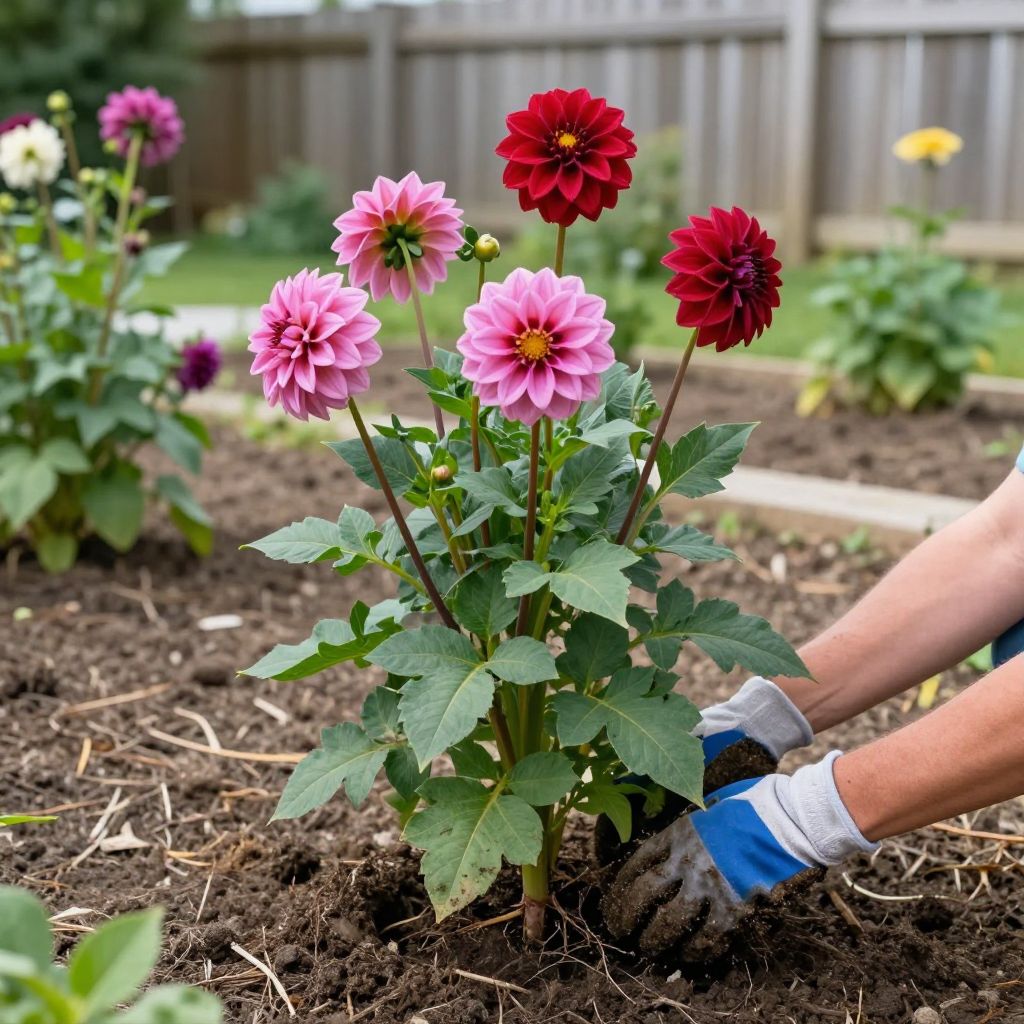
Are dahlias perennials? The short answer is yes, but with an important caveat: dahlias are perennial only in warm climates where the tubers do not freeze in the ground. In colder regions, they are usually grown as tender perennials or treated as annuals because frost damages the roots.
That means you can often keep the same plant year after year if you protect the tubers properly. The key is understanding your climate, your soil, and how to store or overwinter dahlias so they return healthy next season.
Are dahlias perennials?
Dahlias (Dahlia spp.) are perennial plants in frost-free or lightly frosted climates, but their underground tubers are sensitive to freezing. In USDA hardiness zones where winters are mild enough, they can stay in the ground year-round; elsewhere, dig and store the tubers before hard frost if you want them to survive.
Why dahlias behave differently in different climates
What makes dahlias confusing is that the top growth dies back after frost, even when the plant itself is perennial. The tubers are the survival structure, and they need protection from cold, excess moisture, and rot.
In warm climates
If your winters are mild and the soil does not freeze, dahlias may regrow from tubers each spring. In these areas, they can act like true perennials in the garden.
In colder climates
In regions with freezing winters, dahlias are not reliably hardy in the ground. Gardeners usually lift the tubers after the first frost, dry them, and store them indoors until spring.
How to grow dahlias so they come back
If you want dahlias to return next year, focus on strong tuber development during the growing season. Healthy tubers are more likely to overwinter successfully, whether they stay in the ground or are lifted for storage.
- Choose a sunny site. Dahlias bloom best with at least 6 to 8 hours of direct sun.
- Use well-drained soil. Heavy, wet soil increases rot risk, especially over winter.
- Work in compost. A modest amount of organic matter improves soil structure and moisture balance.
- Water consistently. Keep soil evenly moist during active growth, but avoid soggy conditions.
- Support tall varieties. Staking helps prevent stem breakage and keeps plants healthier.
- Stop watering after frost if lifting tubers. Allow the plant to die back naturally before digging.
Planting conditions dahlias prefer
Dahlias grow best in loose, fertile soil that drains well. They dislike compacted ground and standing water, which can cause weak growth and tuber rot.
- Sunlight: Full sun is ideal, though very hot climates may benefit from some afternoon shade.
- Soil: Rich, well-drained loam is best.
- pH: Slightly acidic to neutral soil is generally suitable.
- Spacing: Give plants room for air circulation to reduce disease pressure.
If your soil is heavy clay, improve drainage before planting rather than relying on extra fertilizer. Raised beds or mounded planting areas can help dahlias perform better in wet climates.
Watering and feeding dahlias the right way
Dahlias need regular moisture once they are actively growing, but overwatering is a common mistake. The tubers can rot if the soil stays wet for long periods.
Watering tips
- Water deeply when the top few inches of soil begin to dry.
- Water at the base of the plant rather than overhead when possible.
- Reduce watering if weather is cool, cloudy, or rainy.
- Check container-grown dahlias more often, since pots dry out faster.
Feeding tips
Use compost or a balanced fertilizer approach suited to flowering plants, but avoid overdoing nitrogen. Too much nitrogen can produce lush leaves and fewer flowers, which also makes stems weaker and more prone to flopping.
Pruning, pinching, and deadheading for better bloom
Good pruning helps dahlias stay compact and flower more heavily. These tasks do not make a dahlia perennial, but they do improve the plant’s health and the quality of the tubers it builds underground.
Pinching young plants
When plants are young and about 12 to 16 inches tall, pinching the growing tip can encourage branching. More branches often mean more flowering stems later.
Deadheading spent blooms
Remove faded flowers regularly to encourage more buds. This keeps the plant focused on flowering instead of seed production.
Cutting back after frost
After the first hard frost, the foliage usually blackens and collapses. At that point, you can cut stems down if you plan to dig the tubers or leave them in place in a mild climate.
How to overwinter dahlias
Overwintering is the most important step if you live where dahlias are not reliably hardy. The goal is to keep the tubers cool, dry, and protected from freezing without letting them shrivel completely.
When to dig tubers
Wait until the foliage has been hit by frost, then allow the tubers a short period to mature in the soil if conditions are dry. Do not wait so long that the ground freezes hard.
Basic storage steps
- Cut stems back to a few inches above the crown.
- Carefully dig around the clump to avoid damaging the tubers.
- Brush off excess soil and let the tubers dry in a sheltered place.
- Store them in a breathable medium such as dry peat, vermiculite, or wood shavings if needed.
- Keep them in a cool, dark, frost-free location with moderate humidity.
- Check periodically for rot, shriveling, or mold.
Important: Do not store tubers in airtight plastic bags unless you know the humidity is well controlled. Too much trapped moisture invites rot.
Can you leave dahlias in the ground?
Sometimes, yes. If your winters are mild and the soil drains well, leaving dahlias in the ground can be the easiest option. But in colder areas, or in wet winter soils, leaving them exposed is risky.
Leave them in the ground if:
- Your soil rarely freezes deeply.
- Winter rainfall is moderate and drainage is excellent.
- You have a sheltered garden bed or thick mulch protection appropriate for your climate.
Dig them up if:
- Your area gets hard frosts or frozen soil.
- Your soil is heavy and stays wet in winter.
- You want to protect expensive or rare cultivars.
If you are unsure, it is safer to dig and store the tubers the first year until you learn how your garden handles winter.
Common problems that affect perennial survival
Most dahlia failures happen because of cold, rot, or poor storage rather than because the plant is not perennial. Knowing the warning signs helps you save more tubers.
Rotting tubers
Soft, dark, or foul-smelling tubers usually mean too much moisture. Improve drainage, reduce watering, and store only dry, healthy tubers.
Shriveled tubers
Wrinkled tubers often mean the storage area is too dry or too warm. They may still sprout if the growing point is intact, but they should be monitored closely.
Poor flowering
Too little sun, overcrowding, excess nitrogen, or late planting can reduce blooms. Healthy flowers during the growing season help the tuber store energy for next year.
Pests and disease
Slugs, aphids, earwigs, and spider mites can damage foliage and buds. Viral diseases can also weaken plants over time, so remove and discard badly diseased specimens rather than saving them for replanting.
Propagating dahlias for more plants
Dahlias can be propagated by dividing tubers or by taking cuttings from new growth. Division is the most common way to preserve a favorite plant and keep it coming back year after year.
Dividing tubers
Each division must include part of the crown and at least one viable eye or growing point. A tuber without a crown eye will not produce a new plant.
Taking cuttings
Some gardeners root spring cuttings from emerging shoots. This can increase plant numbers, but it requires careful timing and clean tools.
Tip: Label your tubers before storage if you want to keep track of flower color, height, or bloom form for next season.
Indoor vs. outdoor care
Dahlias are outdoor garden plants for most of their life cycle, but tuber storage often happens indoors. That split can be confusing, so it helps to separate the two stages.
Outdoors during the growing season
Give dahlias sun, airflow, support, and steady moisture. Watch for pests and deadhead regularly to keep plants productive.
Indoors during winter storage
Keep tubers in a cool, dark place where temperatures stay above freezing but not warm enough to trigger early sprouting. Check them occasionally rather than handling them too often.
Simple mistakes to avoid
- Planting in heavy, waterlogged soil without improving drainage.
- Leaving tubers in freezing ground in climates where they are not hardy.
- Overwatering newly planted tubers before growth appears.
- Using too much nitrogen fertilizer and getting leafy plants with fewer blooms.
- Storing tubers wet, sealed, or in a place that is too warm.
- Forgetting to label divisions and tubers before storage.
Conclusion: the best way to think about dahlias
So, are dahlias perennials? Yes, but only where winter conditions allow the tubers to survive. In colder gardens, you can still enjoy them year after year by lifting and storing the tubers properly. If you want a reliable return next season, start by improving drainage, then plan your overwintering method before frost arrives.
For more practical help with seasonal flower care, you may also want to read about how to overwinter tender bulbs and choosing the best soil for flowering plants.