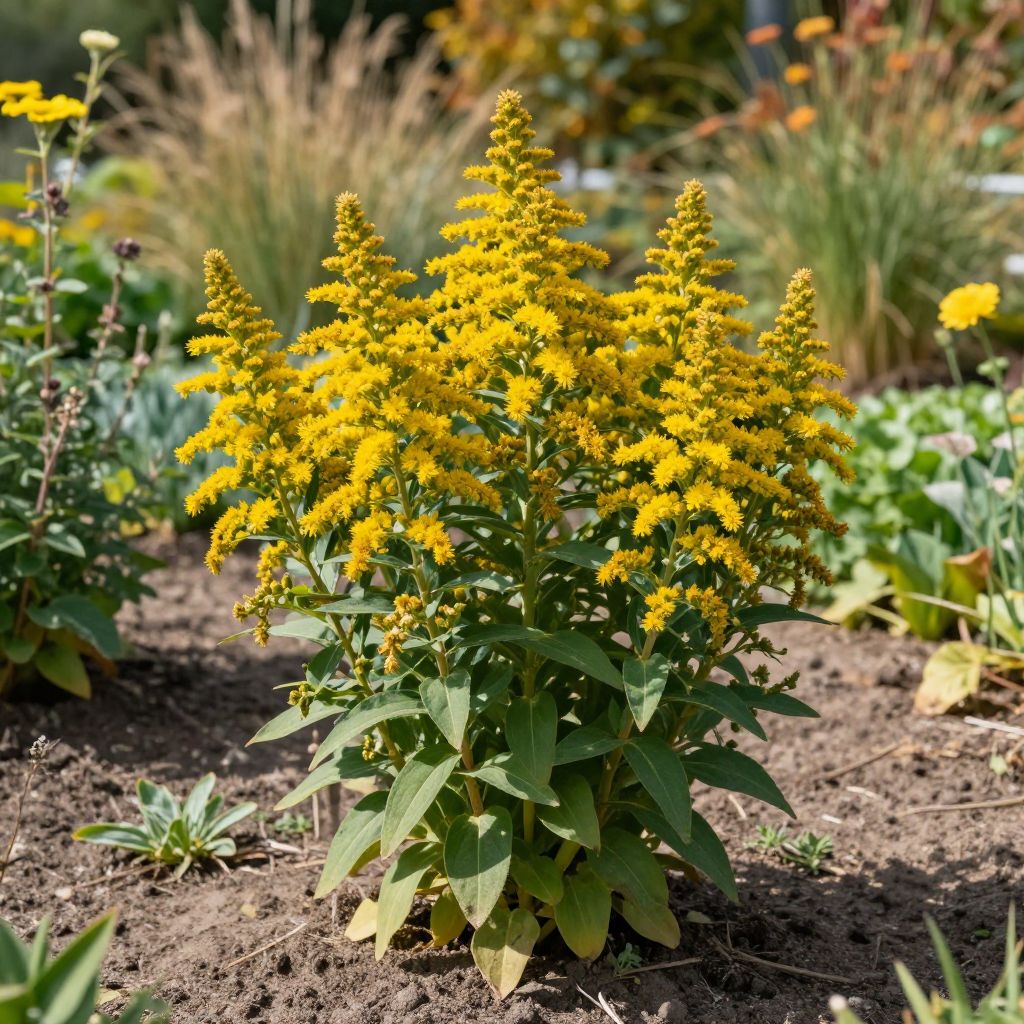
Wondering when does goldenrod bloom in your garden or along the roadside? The timing depends on the species and your climate, but most goldenrods open their yellow flower plumes from late summer into fall, often from August through October in much of North America.
That bloom window makes goldenrod one of the most valuable late-season pollinator plants. If you want to grow it well, focus on sun, drainage, and choosing a species suited to your space, because some goldenrods spread aggressively while others stay more compact.
When does goldenrod bloom?
Most goldenrod species bloom in late summer and early fall, usually after the hottest part of the season has passed. In many areas, you’ll see flowers starting in August, peaking in September, and continuing into October, though local weather, elevation, and the species you grow can shift that timing by several weeks.
What affects goldenrod bloom time?
Goldenrod bloom time is influenced by species, daylight length, temperature, and local growing conditions. A plant in a cool northern climate may flower later than the same species in a warmer region, while drought, poor soil, or heavy shade can delay or reduce blooming.
Species differences matter
“Goldenrod” refers to many plants in the Solidago genus, and they do not all bloom at exactly the same time. Some species flower earlier in late summer, while others open later in fall, so the specific type you plant matters more than the common name alone.
Weather can shift the schedule
A cool summer may slow growth and push bloom later. A warm, sunny season often brings earlier flowering, especially if the plant has enough moisture during establishment.
Plant age and site conditions count
Young divisions or newly planted starts may spend their first season building roots rather than flowering heavily. Established clumps in full sun with decent soil usually bloom more reliably.
How to grow goldenrod for strong blooming
Goldenrod is generally easy to grow when you match the plant to the site. Most species prefer full sun, average soil, and good drainage, and they reward you with upright stems topped by bright yellow flowers just when many other perennials are fading.
Best growing conditions
- Sun: Full sun is best for the heaviest bloom. Light afternoon shade is usually acceptable in hot climates.
- Soil: Average garden soil is often enough. Rich soil can produce taller growth, but overly fertile soil may make some plants flop.
- Drainage: Good drainage matters. Goldenrod can handle a range of soils, but it dislikes waterlogged roots.
- Moisture: Water regularly while establishing, then only as needed during dry spells.
Planting tips
- Choose a site with at least 6 hours of sun if possible.
- Loosen the soil and mix in a small amount of compost if the ground is thin or depleted.
- Plant at the same depth the plant was growing in its nursery pot or division.
- Water deeply after planting to settle the roots.
- Mulch lightly to conserve moisture, but keep mulch away from the crown.
Spacing and spread
Give goldenrod room to expand. Depending on the species, mature plants may form clumps or spread by rhizomes, so spacing and containment are important if you want tidy borders.
If you’re planting a spreading type, consider a root barrier, a contained bed, or regular division. If you want a more restrained habit, look for species or selections known for clump-forming growth.
How to encourage better flowering
Goldenrod usually blooms well without much fuss, but a few simple habits can improve flower display and plant health. The goal is steady growth, not lush overfeeding or constant watering.
Water wisely
New plants need consistent moisture for the first growing season, especially during dry weather. Once established, many goldenrods tolerate short dry periods, but prolonged drought can reduce bloom size and shorten flowering.
Water at the base of the plant rather than overhead when possible. This helps keep foliage drier and reduces the chance of leaf disease.
Avoid too much fertilizer
Heavy feeding is usually unnecessary. Too much nitrogen can push leafy growth at the expense of flowers and may make stems weak and floppy.
If your soil is poor, a light top-dressing of compost in spring is often enough. In many gardens, goldenrod performs best with minimal inputs.
Pinch or cut back early growth if needed
For some gardeners, pinching the tips of young stems in late spring can encourage a bushier plant and delay flowering slightly. This can be useful if you want a shorter, fuller goldenrod rather than tall, airy stems.
If you try this, stop pinching by early summer so the plant has time to set buds.
Pruning and maintenance through the season
Goldenrod is low-maintenance, but a little seasonal care helps it stay attractive and bloom well. Most of the work involves managing height, preventing flopping, and deciding what to do after flowering.
Before bloom
Remove weak or damaged stems in late spring or early summer. If tall plants are likely to lean, support them early with discreet stakes or grow them among sturdier companions.
After bloom
You can leave the flower heads standing for fall interest and wildlife value, or cut them back once they fade if you prefer a tidier look. If you want to limit self-seeding, deadhead before seed heads mature.
Fall cleanup
Many gardeners leave some stems standing through winter to provide structure and habitat. In early spring, cut old growth back before new shoots emerge.
Common problems that affect bloom
If your goldenrod is not blooming as expected, the issue is often cultural rather than serious disease. Check light, moisture, spacing, and plant age before assuming the plant is failing.
Too much shade
Goldenrod in shade may grow leggy and produce fewer flowers. Move it to a sunnier spot if possible, or thin nearby plants that are blocking light.
Overly rich soil
Rich, heavily amended soil can lead to tall, floppy stems with fewer blooms. If your soil is very fertile, avoid adding more nitrogen and consider staking or cutting back plants earlier in the season.
Drought stress
Extended dryness can cause buds to form poorly or flowers to open weakly. Deep watering during dry spells is more effective than frequent shallow sprinkling.
Overcrowding
Dense clumps compete for light, water, and air circulation. Divide crowded plants every few years if flowering declines or the center begins to thin out.
Pests and disease
Goldenrod is usually not troubled by major pests, but stressed plants can sometimes show leaf spots, powdery mildew, or aphid activity. Good spacing, clean pruning, and avoiding overhead watering help reduce these issues.
How to propagate goldenrod
If you already grow goldenrod, propagation is often the easiest way to expand your planting. Division is the most reliable method for home gardeners and helps rejuvenate older clumps that have started to bloom less.
Divide established clumps
- Dig up a healthy clump in spring or early fall, depending on your climate.
- Split it into smaller sections with roots attached.
- Replant divisions promptly at the same depth.
- Water well until new growth resumes.
Dividing every few years can keep vigorous types from becoming overcrowded and can improve flowering in the center of the plant.
Grow from seed
Some goldenrods can be grown from seed, but seedlings may take time to mature before flowering. If you sow seed, follow the needs of the specific species and expect bloom time to be less predictable than with divisions.
Using goldenrod in the landscape
Goldenrod is especially useful in late-season borders, native plant gardens, pollinator beds, and naturalized areas. Its bloom fills the gap between summer perennials and autumn foliage, and it pairs well with grasses, asters, and other fall-flowering plants.
For the best effect, place taller types toward the back of a border and use shorter or clump-forming species near the front. If you’re worried about spread, choose a controlled site where you can monitor it easily.
Good companion plants
- Asters
- Ornamental grasses
- Joe-Pye weed
- Black-eyed Susan
- Native coneflowers
Quick seasonal timeline for goldenrod
- Spring: New shoots emerge; divide crowded clumps if needed.
- Early summer: Plants build height and foliage; pinch only if you want a shorter habit.
- Late summer: Buds begin forming in many regions.
- Late summer to fall: Main bloom period, often August through October.
- Late fall to winter: Seed heads may persist; cut back in late winter or early spring.
Conclusion
If you’re asking when does goldenrod bloom, the short answer is late summer into fall, with the exact timing depending on species and local conditions. Give it full sun, decent drainage, and room to grow, and you’ll usually get a bright, reliable display when many other perennials are finishing up.
For more seasonal garden timing and plant care guidance, you may also want to read related articles on dividing perennials and choosing native pollinator plants.