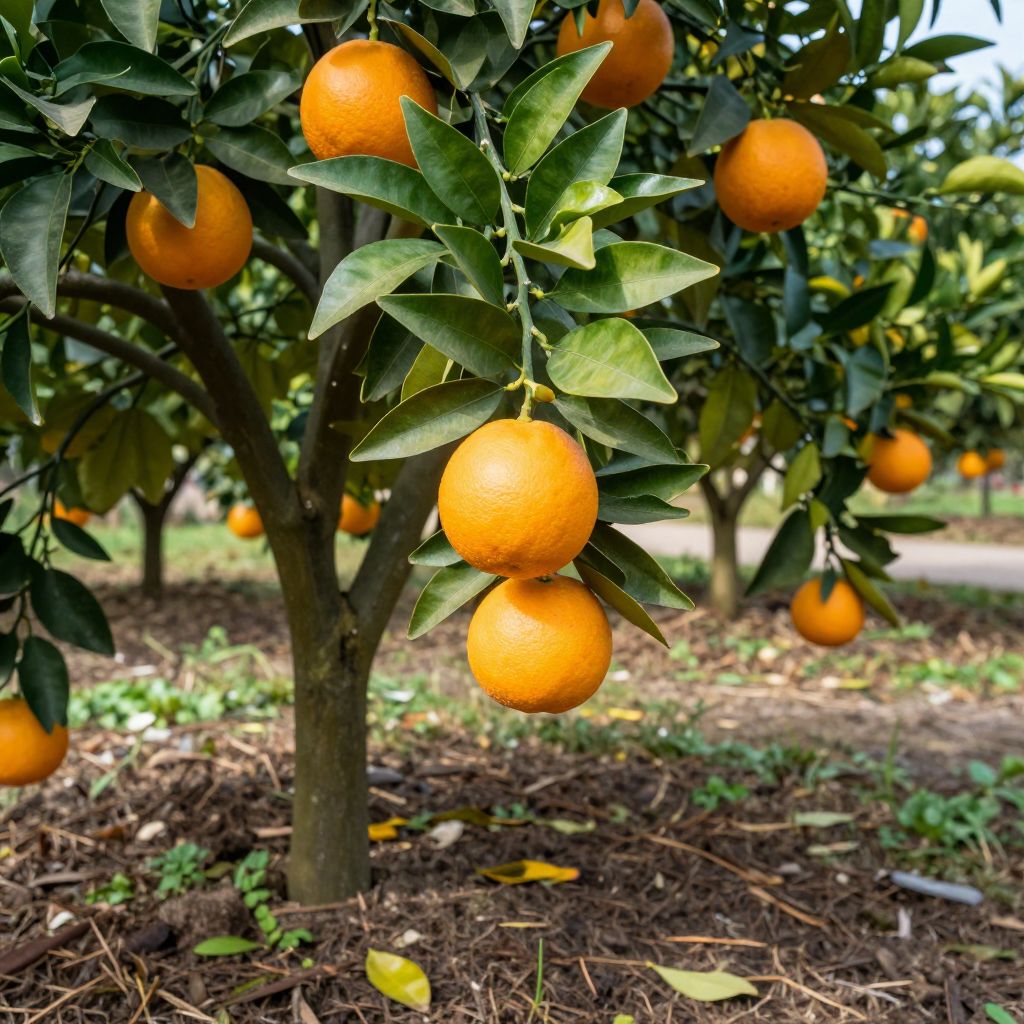
When is citrus season? The short answer is that citrus ripens in the cooler months in many growing regions, but the exact season depends on the type of citrus, your climate, and whether the fruit is grown outdoors or in containers. Lemons, limes, oranges, mandarins, and grapefruits can all have different harvest windows, even on the same tree.
If you are growing citrus, understanding seasonal timing helps you harvest at peak flavor, protect trees from cold, and avoid common care mistakes. It also helps you choose the right variety for your local conditions and plan pruning, feeding, and watering around the tree’s growth cycle.
When is citrus season?
Citrus season usually runs from late fall through winter and into early spring, but the harvest window varies by fruit type and climate. In warm regions, some citrus may hang on the tree for months, while in cooler areas fruit often ripens earlier. The best harvest time is when fruit has good color, feels heavy, and tastes sweet-tart rather than sour.
What affects citrus season?
Citrus timing is not the same everywhere. The season depends on species, variety, local temperatures, and how long fruit can stay on the tree without losing quality.
Climate and growing region
In Mediterranean, subtropical, and frost-free areas, citrus often ripens over a long window from autumn into spring. In cooler climates, fruit may mature earlier or need protection from frost before it is fully ripe.
Temperature matters because cool nights can improve color and flavor, while hard freezes can damage fruit and stems. If you garden where winters are cold, citrus season may be less about outdoor harvest timing and more about when to move potted trees to shelter.
Fruit type and variety
- Mandarins and tangerines often ripen from fall into winter.
- Sweet oranges commonly mature in winter and can extend into spring.
- Lemons may be harvested over a long season, sometimes nearly year-round in mild climates.
- Limes are often picked when green and mature, with timing depending on variety and climate.
- Grapefruit typically ripen in winter to early spring.
Even within one species, early, midseason, and late varieties can shift harvest by several weeks or months. That is why local nursery recommendations are often more useful than a generic calendar.
Tree age and crop load
Younger trees may produce fewer fruit and may not ripen as evenly. Heavy crops can also slow ripening or leave fruit smaller than expected, especially if the tree is stressed by drought, poor soil, or nutrient imbalance.
How to tell when citrus is ready to pick
Color alone is not enough. Some citrus can be fully ripe while still partly green, especially in warm climates where nights stay mild. Use several signs together before harvesting.
- Size: Fruit has reached the expected size for the variety.
- Color: Skin has shifted from deep green to yellow, orange, or the variety’s mature color, though some fruit may stay greenish.
- Feel: Fruit feels heavy for its size and slightly springy, not hard and dry.
- Flavor: A sample fruit tastes balanced, not sharply sour or bitter.
- Ease of picking: Ripe fruit usually twists off more easily or cuts cleanly from the stem.
If you are unsure, taste one fruit before harvesting the whole tree. Citrus does not continue to sweeten much after picking, so sampling is the best guide.
Seasonal citrus care by time of year
Good seasonal care supports better fruit quality and helps the tree handle heat, cold, and stress. Adjust your routine to the season rather than following a rigid schedule.
Late winter to early spring
This is often the end of harvest for many citrus trees and a good time to assess plant health. Remove dead or damaged wood after the main harvest, but avoid heavy pruning while the tree is actively flowering or setting fruit.
As temperatures warm, new growth begins. Watch for aphids, scale, and citrus leafminer on tender shoots, which are especially vulnerable in spring.
Late spring and summer
Warm weather supports leaf growth and fruit sizing. Citrus needs consistent moisture during this period, especially in sandy soil or containers, but the roots should never sit in waterlogged ground.
- Water deeply when the top few inches of soil dry out.
- Mulch to help conserve moisture, keeping mulch a few inches away from the trunk.
- Check for sunburn on exposed fruit and limbs in very hot climates.
Container-grown citrus may dry out much faster than in-ground trees, so monitor pots closely during heat waves and windy weather.
Autumn
Fruit begins to color and mature in many regions. This is a good time to reduce stress on the tree, because drought or nutrient problems can affect flavor and fruit retention.
Be cautious with late nitrogen-heavy feeding, which can push soft leafy growth instead of supporting ripening fruit. In frost-prone areas, start planning for protection before the first cold snap.
Winter
Winter is prime citrus season in many gardens, but it is also the time when cold damage is most likely. Protect trees from freezing temperatures with frost cloth, windbreaks, or by moving containers to a bright sheltered spot.
Do not overwater in cool, low-light conditions. Citrus roots use water more slowly in winter, and soggy soil can lead to root problems.
Best growing conditions for healthy citrus
Healthy trees produce better fruit and more reliable harvests. Citrus generally prefers warmth, sun, and well-drained soil, whether planted in the ground or grown in containers.
Sunlight
Most citrus need full sun for strong growth and good fruiting. Aim for at least 6 to 8 hours of direct sunlight daily if possible.
In very hot inland climates, afternoon shade can reduce stress on young trees, but too much shade will reduce flowering and fruit quality.
Soil and drainage
Citrus roots dislike standing water. Plant in loose, well-drained soil enriched with organic matter, but avoid creating a planting hole that acts like a bathtub in heavy clay.
- In clay soil, improve drainage with raised beds or mounds if needed.
- In sandy soil, add compost to improve moisture retention.
- For containers, use a quality potting mix designed for good drainage.
Good drainage is one of the most important factors in citrus success. A tree in poor soil may survive for a while, but fruit quality and seasonal timing often suffer.
Watering
Water deeply, then let the upper soil begin to dry before watering again. Citrus prefers even moisture, not constant saturation.
Irregular watering can cause fruit drop, split fruit, or poor flavor. This is especially common when dry spells are followed by heavy watering or rain.
Feeding
Citrus are moderate to heavy feeders, but timing matters. Feed during active growth in spring and summer, and be more cautious as temperatures cool.
Choose a fertilizer formulated for citrus or a balanced garden fertilizer that includes micronutrients if your soil is known to be deficient. If you are unsure, soil testing is the safest way to guide nutrient decisions.
Pruning and maintenance through the year
Pruning citrus is usually light and selective. The goal is to improve shape, airflow, and light penetration, not to cut the tree back hard.
- Remove dead, damaged, or crossing branches.
- Cut out shoots growing from below the graft union if present.
- Thin congested growth to improve airflow.
- Keep the canopy open enough for sunlight to reach inner fruiting wood.
Avoid major pruning right before or during the main fruiting season, because it can reduce the crop. If a tree has grown too large, spread renovation pruning over more than one season.
Common citrus pests and diseases to watch for
Seasonal monitoring helps you catch problems early. Many citrus pests target tender new growth, while diseases often show up when trees are stressed by poor drainage, injury, or cold.
Common pests
- Aphids: Cluster on soft new shoots and leaves.
- Scale insects: Appear as small bumps on stems and leaves.
- Spider mites: More common in hot, dry weather.
- Citrus leafminer: Damages young leaves with winding trails.
Use a strong water spray for light infestations, prune heavily infested tips where appropriate, and encourage beneficial insects by avoiding unnecessary broad-spectrum sprays.
Common diseases and disorders
- Root rot: Often linked to poor drainage or overwatering.
- Fruit drop: Can result from stress, drought, cold, or nutrient imbalance.
- Sunburn: Common on exposed fruit and limbs in intense heat.
- Frost damage: Causes pitting, browning, or splitting after cold events.
If fruit splits, drops early, or develops poor flavor, review watering consistency, soil drainage, and recent temperature swings before assuming the tree needs more fertilizer.
Growing citrus in containers
Container citrus is often the best option in colder climates because you can move the tree to shelter when temperatures drop. It also lets you control soil mix and drainage more easily.
Container basics
- Use a pot with generous drainage holes.
- Choose a container large enough for root growth, but not so large that the soil stays wet too long.
- Repot when roots become crowded or water runs through too quickly.
Place potted citrus where it gets maximum sun outdoors, then move it to a bright indoor space or protected greenhouse before frost. Indoors, citrus needs as much light as possible and careful watering because growth slows in lower light.
Indoor winter care
If you bring citrus inside, expect some leaf drop as the plant adjusts. Keep it away from heat vents and cold drafts, and check regularly for mites and scale.
Do not overwater just because the plant is indoors. The top layer of mix should dry slightly before you water again.
Harvesting citrus the right way
Pick fruit by cutting or gently twisting it from the stem rather than yanking. Pulling can tear bark or damage nearby fruiting spurs.
- Harvest in dry weather if possible.
- Use clean pruners for thicker stems.
- Handle fruit carefully to avoid bruising.
- Store harvested citrus in a cool place with good airflow.
If your tree holds fruit well, you can often leave mature citrus on the tree for a while and pick as needed. Just keep an eye on quality, because overripe fruit may dry out or lose flavor.
Common mistakes to avoid
- Picking too early because the fruit looks colored before it tastes ripe.
- Overwatering in cool weather.
- Planting in heavy, poorly drained soil without correction.
- Pruning too hard right before flowering or fruit set.
- Assuming all citrus ripen on the same schedule.
One of the biggest mistakes is relying on a calendar alone. Citrus season is best judged by fruit type, local weather, and the taste of the fruit itself.
Conclusion
When is citrus season? In most gardens, it is a cool-season harvest that begins in fall, peaks in winter, and may continue into spring depending on the variety and climate. To get the best fruit, watch for size, color, and flavor, and support the tree with sun, drainage, steady moisture, and light seasonal care.
If you want to plan your harvest more precisely, next compare the needs of your specific citrus type and review a guide to citrus tree care or pruning fruit trees for seasonal maintenance tips.