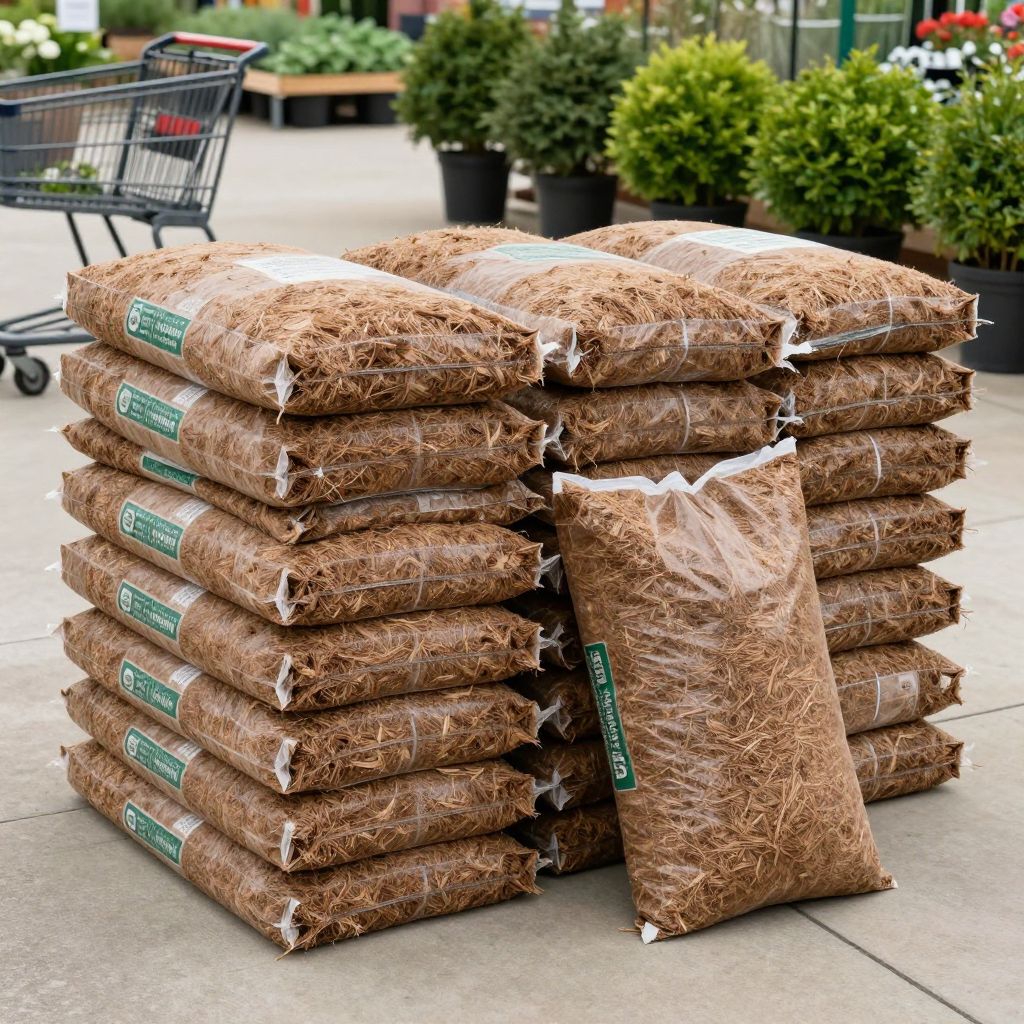
When is Home Depot mulch sale 5 for $10 2026? If you’re planning a spring refresh or trying to stretch a landscaping budget, the best answer is: watch for the first big seasonal garden-center promotions in late winter through spring, then again in early fall. Exact dates vary by store, region, and inventory, so the smartest approach is to track weekly ads and buy when your beds are ready.
Mulch is one of the easiest ways to improve moisture retention, suppress weeds, and give planting beds a finished look. But to get the most value from a sale, it helps to know how much mulch you actually need, when to apply it, and how to choose the right type for your plants and climate.
When Is Home Depot Mulch Sale 5 For $10 2026?
Home Depot mulch promotions in 2026 will most likely appear during spring garden-season kickoff, major holiday weekends, and sometimes in fall cleanup season. The exact “5 for $10” style deal depends on local store pricing and regional promotions, so check your store’s weekly ad, app, or curbside inventory early in the season for the best chance of finding it.
Why mulch sales usually happen in spring and fall
Retailers time mulch discounts around the periods when gardeners most need it. Spring is when beds are being refreshed, new plants are going in, and weeds are starting to grow. Fall is another strong window because gardeners are insulating roots, tidying beds, and preparing landscapes for colder weather.
What to expect from seasonal pricing
- Spring: The most common time for bulk mulch offers and garden-center promotions.
- Holiday weekends: Sales often cluster around major shopping periods.
- Early fall: Good for re-mulching beds after summer heat and weed pressure.
- Clearance periods: Leftover inventory may drop in price late in the season.
If you’re hoping for a specific “5 for $10” deal, remember that pricing can vary by bag size, brand, and location. A deal that looks excellent on the shelf may still be less useful than a larger bag discount if you need to cover a big area.
How to decide if the mulch sale is actually a good buy
Before loading your cart, compare the sale price to the coverage listed on the bag. A lower sticker price is not always the best value if the bag is small or the mulch is very lightweight. Check the square-foot coverage at the recommended depth, usually 2 to 3 inches for most landscape beds.
Simple value check
- Look at the bag size and coverage estimate.
- Measure the bed area you want to mulch.
- Choose the product that gives you the best coverage per dollar.
- Factor in whether you need delivery or can haul bags yourself.
Tip: If you have a large yard, bulk mulch may be more economical than bagged mulch, even during a sale. Bagged mulch is often easier for small beds, tight spaces, and touch-up work.
How much mulch do you need?
Most home gardeners apply mulch 2 to 3 inches deep. Less than that may not suppress weeds well, while too much can hold excess moisture against stems and roots. The amount you need depends on bed size, mulch depth, and whether you’re covering new plantings or refreshing an existing layer.
Quick planning guide
- 2 inches: Good for fine-textured mulch or maintenance top-ups.
- 3 inches: Common target for weed suppression and moisture retention.
- More than 3 inches: Usually unnecessary and can create problems near trunks and crowns.
To estimate bags, measure the length and width of each bed, then multiply to get square footage. Compare that number with the bag’s coverage at your chosen depth. If you’re unsure, buy a little extra only if you can use it elsewhere; leftover mulch stores well if kept dry.
Choosing the right mulch for your plants
Not all mulch is the same. The best choice depends on whether you’re mulching ornamental beds, trees, shrubs, vegetables, or pathways. Organic mulches break down over time and improve soil structure, while inorganic materials last longer but do not enrich the soil.
Common mulch types and where they fit best
- Shredded bark or wood mulch: Good all-purpose option for shrubs, trees, and foundation beds.
- Pine bark nuggets: Decorative and long-lasting, but may shift more on slopes.
- Composted mulch: Useful where you want a finer texture and some soil improvement.
- Straw or clean straw-like mulch: Often used in vegetable gardens, depending on availability and cleanliness.
Choose a mulch that matches the site. For example, a windy slope may hold shredded mulch better than large nuggets, while a vegetable bed may benefit from a lighter, finer material that is easy to pull back around seedlings.
Best time to apply mulch in your garden
The best time to mulch is after the soil has warmed in spring or after a thorough fall cleanup, depending on your goal. In spring, mulch helps conserve moisture and slow weeds. In fall, it can buffer temperature swings and protect roots, especially in colder climates.
Seasonal timing by purpose
- Spring refresh: Apply after soil begins warming and weeds are removed.
- Summer protection: Add mulch if beds dry out quickly or weeds are aggressive.
- Fall prep: Replenish thin beds before winter, but avoid burying tender crowns.
Avoid piling mulch on frozen ground or over actively growing crowns and stems. In wet climates, too much mulch too early can keep soil overly damp and encourage rot or fungal issues.
How to apply mulch correctly
Good mulch application is as important as the mulch itself. Spread it evenly, keep it away from stems and trunks, and make sure the soil underneath is already weeded and watered if needed. Mulch should help your plants, not smother them.
Step-by-step application
- Remove existing weeds and debris from the bed.
- Water the soil if it is dry before you mulch.
- Spread mulch in an even layer 2 to 3 inches deep.
- Keep mulch several inches away from stems, crowns, and trunks.
- Rake it smooth, but do not pack it down tightly.
Important: Never create a mulch mound against tree trunks. That common “volcano” shape traps moisture, invites pests, and can damage bark over time.
Common mistakes to avoid when buying mulch on sale
A bargain can become frustrating if the mulch is the wrong product or applied incorrectly. The most common problems are buying too little, choosing the wrong texture, or applying it too thickly around plants that need air at the soil line.
Watch out for these issues
- Buying based only on price without checking coverage.
- Using decorative mulch where a finer mulch would stay in place better.
- Applying mulch too early over cold, soggy soil.
- Letting mulch touch stems, trunks, or crowns.
- Skipping weed removal before mulching.
If your beds already have a thick layer of old mulch, you may only need a light top-up rather than a full new layer. Too much buildup can reduce air movement and make planting difficult.
Mulch maintenance through the season
Mulch is not a one-time task. Over the season, wind, rain, sun, and decomposition will thin it out. Check beds a few times a year and top up only where needed to maintain an even layer.
What to monitor
- Depth: Reapply if the layer has thinned below about 2 inches.
- Weeds: Pull weeds before they root deeply through the mulch.
- Moisture: Lift mulch occasionally to check soil dampness.
- Plant health: Watch for stems staying too wet or mulch touching bark.
In rainy areas, mulch can stay wet longer and compact more quickly. In hot, dry areas, it may dry out and blow away faster, especially if it is very light or coarse.
How mulch supports plant health
Used correctly, mulch helps stabilize soil conditions around roots. It reduces evaporation, moderates temperature swings, and can improve soil over time if you use an organic material that breaks down gradually.
Where mulch helps most
- New plantings: Helps reduce stress while roots establish.
- Tree and shrub beds: Conserves moisture and suppresses weeds.
- Vegetable gardens: Reduces splash-up from soil and helps keep paths cleaner.
- Foundation beds: Improves appearance and reduces maintenance.
Mulch is especially useful in areas where watering is inconsistent. It does not replace irrigation, but it helps the water you apply stay in the root zone longer.
What to do if you miss the sale
If the 2026 Home Depot mulch sale is gone by the time you need it, don’t rush into the wrong product. Compare other garden centers, local landscape suppliers, and seasonal clearance sections. Sometimes the best deal is not the lowest sticker price but the mulch that covers your beds efficiently and is easy to transport.
You can also wait for the next promotion if your beds are already protected. A thin, healthy mulch layer can usually hold you over until the next sale window without harming your plants.
Final takeaways for 2026 shoppers
The best time to look for the Home Depot mulch sale 5 for $10 2026 is during spring garden promotions, major shopping weekends, and sometimes early fall. Check local ads early, compare coverage instead of price alone, and apply mulch at the right depth for your beds.
If you want to make the most of your purchase, measure your beds first, choose the right mulch type for the site, and spread it evenly without piling it against trunks or stems. For more help planning your beds, you may also want to read about how to calculate mulch coverage for garden beds and best mulch types for trees, shrubs, and vegetable gardens.