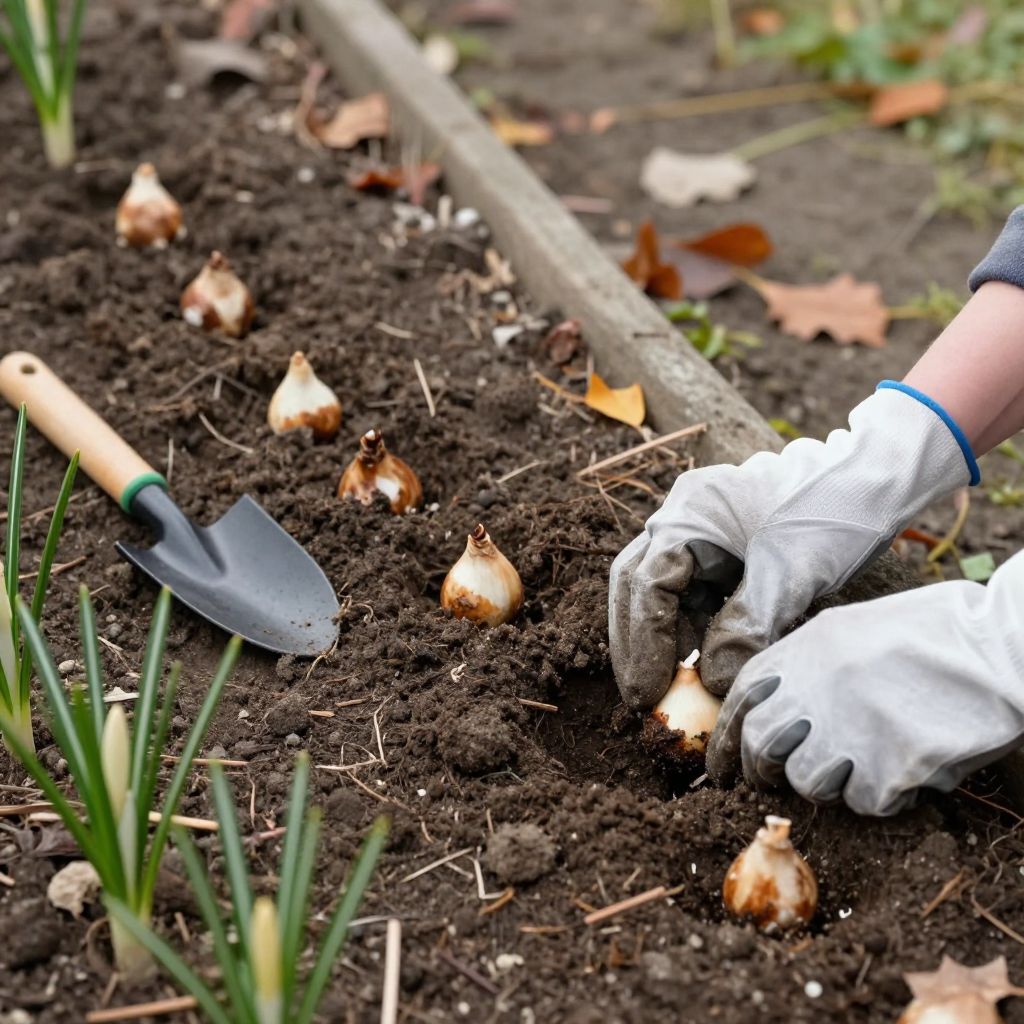
Wondering when to plant crocus bulbs so they bloom at the right time? The short answer is to plant crocus corms in autumn, before the ground freezes, so they can root in cool soil and flower in early spring. Timing depends on your climate, but the goal is always the same: give them enough time to establish before winter.
Crocus are among the easiest spring bulbs to grow, but they do best when planted at the right moment and in the right spot. A little attention to soil drainage, planting depth, and site selection can make the difference between a sparse display and a carpet of color.
When to plant crocus bulbs?
Plant crocus bulbs, more accurately called corms, in autumn once daytime temperatures cool and soil is workable, usually about 6 to 8 weeks before the ground freezes. In many regions that means early to mid-fall. Plant them too early in hot soil and they may sprout; too late and they may not root well before winter.
Why fall planting matters for crocus
Crocus need a cold period to trigger spring flowering. When you plant them in fall, the corms send out roots while soil is still cool, then rest through winter and bloom as temperatures rise.
This timing also reduces stress. Cool, moist soil helps the corms establish without forcing top growth too soon, which is especially important in areas with warm autumns or unpredictable winter weather.
How to judge the right planting window in your area
Use local conditions rather than a calendar alone. A good rule is to plant when nights are consistently cool and the soil has started to lose summer heat.
- Cool climates: early fall is often best.
- Mild climates: plant later in fall, once temperatures drop.
- Very warm regions: you may need to wait until late fall or early winter for enough chill and cooler soil.
If you are unsure, check your first expected hard freeze and count backward 6 to 8 weeks. That gives crocus time to root without sitting too long in warm soil.
How to plant crocus corms correctly
Choose a site with full sun to partial shade and well-drained soil. Crocus dislike wet ground, so avoid low spots where water collects after rain or snowmelt.
- Loosen the soil to a depth of about 6 to 8 inches.
- Mix in compost if the soil is poor or heavy, but do not make the planting hole rich and soggy.
- Plant corms about 3 inches deep, or roughly 2 to 3 times the height of the corm.
- Space them 2 to 3 inches apart for a natural drift, or closer for a denser display.
- Set the pointed end up if you can identify it, then backfill and water lightly.
In containers, use a free-draining potting mix and a pot with drainage holes. Bulbs in pots are more exposed to winter wet, so drainage matters even more than in the ground.
Best soil for crocus
Crocus grow best in loose, moderately fertile soil that drains quickly. Sandy loam is ideal, but average garden soil can work well if it is not compacted.
If your soil is heavy clay, improve drainage before planting. Raised beds, sloped sites, or a generous amount of organic matter can help, but avoid overworking wet clay, which can make the problem worse.
Sunlight, moisture, and winter care
Crocus bloom best with plenty of light. In many gardens, they thrive under deciduous trees because they get winter and early spring sun before the canopy fills in.
After planting, water once to settle the soil if conditions are dry. After that, crocus usually need little extra water in fall unless the weather is unusually dry. Overwatering is a common mistake and can lead to rot.
What to do after planting
- Water lightly after planting if the soil is dry.
- Leave the area alone through winter unless it becomes waterlogged.
- Do not mulch too heavily over the planting site; a light layer is enough in cold areas.
- Remove thick mulch in early spring if shoots have trouble emerging.
In very cold regions, a light mulch can help protect the soil from repeated freeze-thaw cycles. In mild or wet climates, too much mulch can trap moisture and encourage rot.
Growing tips for stronger crocus blooms
Healthy crocus start with healthy corms. Choose firm, plump corms that feel dry but not shriveled, and avoid any that are soft, moldy, or damaged.
- Plant in groups rather than single rows for a more natural look.
- Mix crocus with other early bulbs for staggered spring color.
- Mark planting spots if you may forget where they are, especially in lawns or mixed borders.
- Let foliage die back naturally after flowering so the corms can recharge for next year.
Can you plant crocus in lawns?
Yes, crocus are often planted in lawns for a naturalized look. The best time is still fall, and the key is to avoid mowing until the leaves have yellowed and faded naturally in spring.
If you mow too early, the corms may not store enough energy to bloom well the following year. Planting in turf also works best in areas that are not heavily irrigated in summer.
Common problems and how to fix them
Most crocus problems come from poor drainage, planting too shallow, or planting too late in the season. If your crocus fail to bloom, start by checking the site conditions rather than assuming the bulbs were bad.
No flowers, only leaves
This often happens when corms were planted too shallow, shaded too heavily, or not given enough time to establish. It can also happen if the foliage was cut back too soon the previous spring.
Rotting corms
Soft, mushy corms usually mean the soil stayed too wet. Improve drainage, replant in a better spot, and avoid watering unless the soil is dry.
Animals digging them up
Squirrels and other small animals may disturb newly planted crocus. Planting the corms a little deeper, pressing the soil firmly, or covering the area with wire mesh until the ground settles can help.
Foliage emerging but no bloom
Sometimes crocus leaves appear but flowers are sparse because the corms are crowded or depleted. In that case, lift and divide them after the foliage dies back if the planting has become dense.
Should you fertilize crocus?
Crocus do not need heavy feeding. In most gardens, a light application of compost at planting time is enough, especially if the soil is reasonably fertile.
If your soil is very poor, a balanced bulb fertilizer can be used sparingly according to the product label, but avoid overdoing nitrogen. Too much nitrogen encourages leaves at the expense of flowers.
How to care for crocus after bloom
After flowering, let the leaves stay in place until they turn yellow and collapse naturally. Those leaves are feeding the corm for next year’s bloom.
If crocus are planted in a lawn, wait to mow until the foliage has died back. In borders, you can tuck fading leaves among later-emerging perennials to keep the planting tidy while still allowing the plant to recharge.
Dividing and naturalizing crocus
Crocus often multiply over time, forming clumps or drifts. If flowering becomes crowded or weaker, lift and divide the corms after the foliage has died back and the soil is dry enough to work.
Replant the healthiest corms right away in a better-spaced pattern. Division is not needed every year, but it can refresh an established planting and improve bloom density.
Quick planting checklist
- Plant in autumn, 6 to 8 weeks before hard frost.
- Choose a sunny, well-drained site.
- Set corms about 3 inches deep.
- Space them 2 to 3 inches apart.
- Water lightly after planting, then avoid soggy soil.
- Let foliage die back naturally after bloom.
If you are planning your spring garden now, choose your crocus planting window based on your local frost dates and soil conditions, then get the corms in the ground before winter settles in. For more seasonal bulb advice, you may also find it helpful to read about how to plant spring bulbs and caring for bulbs after flowering.