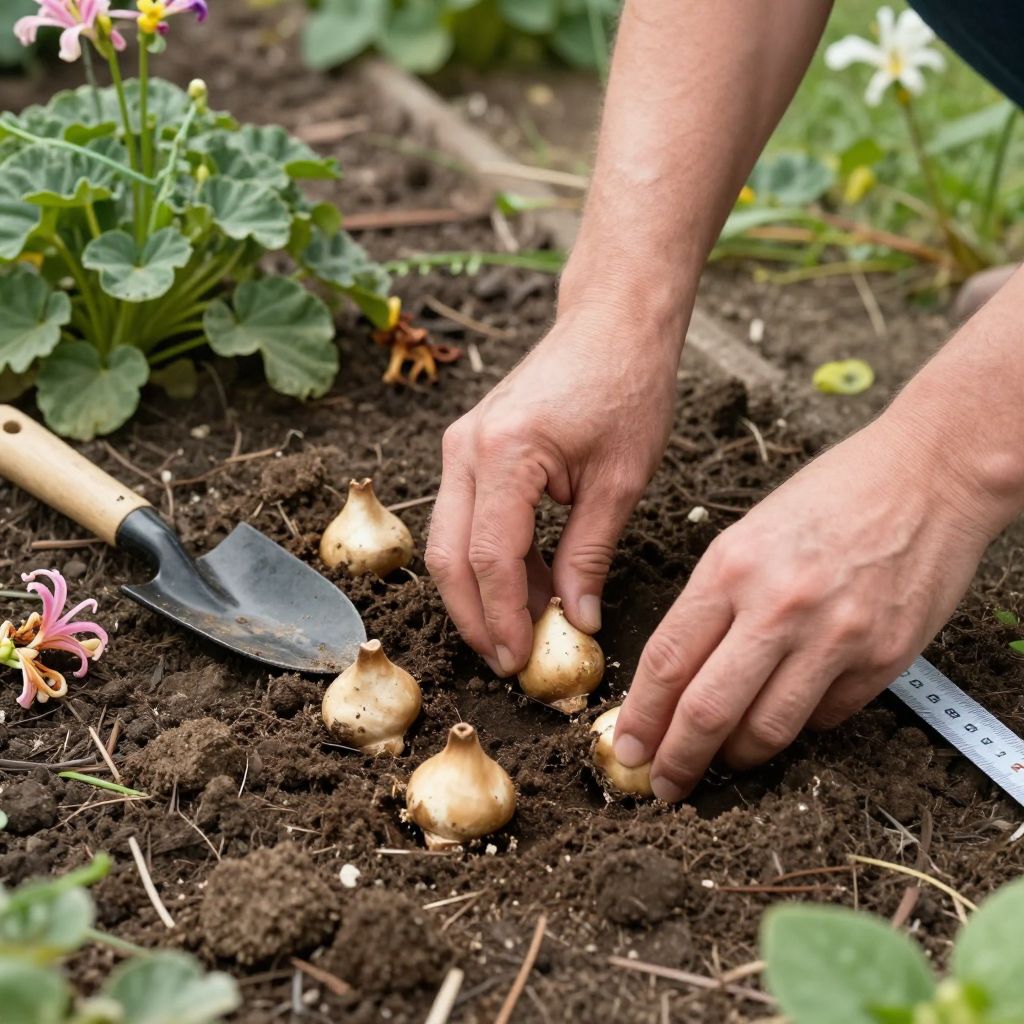
Wondering when to plant naked lady bulbs so they bloom reliably and settle in well? The short answer is to plant them when the bulbs are dormant and the soil is workable, usually in late summer to early fall in many climates. In colder areas, fall planting is often best; in very mild regions, planting can also happen in late winter or early spring if the soil stays cool and drains well.
“Naked lady bulbs” usually refers to Amaryllis belladonna, a bulbous perennial known for producing leafless flower stalks after a dry summer rest. Timing matters because these bulbs dislike sitting in cold, wet soil, yet they also need time to root before active growth begins.
When to plant naked lady bulbs?
Plant naked lady bulbs during their dormant period, ideally after the hottest part of summer but before prolonged cold or heavy rain arrives. In most gardens, that means late summer through fall. The best timing is when the bulb can establish roots in cool, moderately moist soil without being forced into active growth too early.
Understanding the best planting window
Naked lady bulbs are not planted like spring annuals. They do best when they experience a natural cycle of summer dormancy, then root quietly before flowering.
For most climates
- Late summer to early fall is usually the safest planting window.
- Soil is still warm enough for root growth, but the worst heat has passed.
- Autumn rains can help settle the bulbs in, as long as drainage is good.
In mild-winter regions
- You may plant in fall, winter, or very early spring if the ground is not frozen.
- Choose a site that stays relatively dry in winter.
- Avoid planting just before a period of heavy rain if your soil is slow to drain.
In colder climates
- Plant in early fall so bulbs have time to root before hard freezes.
- Use a sheltered, sunny spot with excellent drainage.
- If winters are severe, consider growing them in containers or in a protected microclimate.
How to choose the right planting site
Good site selection matters as much as timing. Naked lady bulbs are forgiving in some ways, but they strongly dislike soggy soil and shade.
- Sunlight: Full sun is best, though light afternoon shade can work in very hot climates.
- Drainage: Essential. Waterlogged soil can rot bulbs.
- Soil: Loose, well-drained soil with some organic matter is ideal.
- Space: Leave room for clumps to expand over time.
If your soil is heavy clay, improve the planting area before you plant. Work in compost to loosen the texture, or plant on a raised bed or slope where excess water runs off.
How to plant naked lady bulbs step by step
Planting is straightforward, but depth and spacing matter. These bulbs prefer to be set a little deeper than many gardeners expect.
- Choose a sunny, well-drained spot.
- Loosen the soil to a depth of at least 12 inches if possible.
- Mix in compost if the soil is poor or compacted.
- Dig a hole deep enough to place the bulb with the neck just above or at soil level, depending on local practice and soil type.
- Set bulbs about 8 to 12 inches apart so clumps can develop.
- Backfill gently and firm the soil lightly.
- Water once to settle the soil, then let the bed dry slightly before watering again.
In very free-draining soil, a slightly deeper planting can help anchor the bulb and protect it from temperature swings. In heavier soil, avoid burying it too deeply, because excess moisture around the bulb increases rot risk.
Soil, compost, and drainage tips
Naked lady bulbs thrive in soil that drains quickly after rain or watering. They are much more likely to fail from too much moisture than from a brief dry spell.
What the soil should be like
- Crumbly, not sticky
- Rich enough to support roots, but not overly fertile
- Free of standing water after rain
How to improve poor soil
- Mix compost into the top 6 to 8 inches of soil.
- Use coarse grit or sand only if needed to improve structure, not as a quick fix for clay.
- Raise the planting area if drainage is consistently poor.
Avoid adding fresh manure directly at planting time. Too much nitrogen or overly rich, wet soil can encourage weak growth and bulb problems.
Watering after planting
Watering should be light and thoughtful. The goal is to help the bulb root in, not to keep the soil constantly wet.
- Water once after planting to settle soil around the bulb.
- After that, water only when the top few inches of soil begin to dry.
- Reduce watering when the plant goes dormant or if seasonal rains are sufficient.
In rainy climates, you may not need to water newly planted bulbs at all after the initial watering. In hot, dry regions, a little supplemental water during root establishment can help, but always let the soil dry somewhat between waterings.
What to expect after planting
Do not be alarmed if the bulb does not send up leaves right away. Naked lady bulbs often bloom on leafless stalks after summer dormancy, and the foliage may appear at a different time than the flowers.
Typical growth pattern
- Bulb roots first after planting.
- Flower stalks may appear later, often after a warm, dry period followed by moisture.
- Leaves commonly emerge after flowering or at another point in the seasonal cycle.
This unusual timing is normal. The plant is not failing just because it looks inactive for a while.
Common mistakes to avoid
Most problems with naked lady bulbs come from planting them at the wrong time or in the wrong conditions.
- Planting in soggy soil: This is one of the fastest ways to lose bulbs to rot.
- Overwatering: Keep moisture moderate, especially during dormancy.
- Planting too shallow in exposed sites: Bulbs can dry out or become unstable.
- Overcrowding: Clumps need room to naturalize over time.
- Too much shade: Flowering may be weaker in low light.
Growing naked lady bulbs in containers
Containers can be a good option if your garden soil stays wet in winter or if you want more control over drainage. Use a pot with large drainage holes and a free-draining potting mix.
- Choose a deep container to accommodate the bulb and roots.
- Use a gritty, well-draining mix rather than heavy garden soil.
- Place the pot in full sun or very bright light.
- Water sparingly, especially during dormancy.
Container-grown bulbs are more vulnerable to freezing than in-ground bulbs, so move pots to a sheltered location in very cold weather if needed.
Pruning, cleanup, and seasonal care
These bulbs need little pruning, but seasonal cleanup helps them stay healthy and attractive.
After flowering
- Remove spent flower stalks once they fade.
- Leave the leaves in place until they naturally yellow and die back.
- Do not cut green foliage too early, because it feeds the bulb.
During dormancy
- Reduce watering.
- Keep the area relatively dry.
- Leave the bulb undisturbed unless you need to divide or relocate it.
Pests and diseases to watch for
Naked lady bulbs are not usually high-maintenance, but poor drainage can invite trouble. The most common issue is bulb rot, especially in wet soils.
- Bulb rot: Often caused by excess moisture and poor drainage.
- Snails and slugs: May nibble young growth in damp areas.
- Rodents: Can disturb bulbs in some gardens.
If a bulb fails to grow, check the soil first. Soft, foul-smelling bulbs usually indicate rot. Firm bulbs in dry soil may simply be dormant and need more time.
How to propagate naked lady bulbs
Established clumps can be divided when they become crowded, though these bulbs often prefer to be left alone for several years.
Best time to divide
Divide dormant bulbs in late summer or early fall, when foliage has died back and the plant is not actively growing.
Basic division steps
- Lift the clump carefully with a fork or spade.
- Separate offsets gently from the parent bulb.
- Replant immediately in a prepared, well-drained site.
- Water lightly and avoid disturbing the bulbs again soon after planting.
Division is useful when flowering slows because the clump has become crowded, but it is not something you need to do every year.
Best landscaping uses
Naked lady bulbs make a striking late-season feature when planted where their tall, leafless flower stalks can be appreciated.
- Mixed perennial borders
- Sunny cottage-style plantings
- Dry, well-drained slopes
- Naturalized clumps in warm, sheltered gardens
They pair well with plants that tolerate similar conditions and do not require constant summer moisture. Because the foliage timing is unusual, place them where their seasonal changes will not leave awkward gaps in a formal bed.
Quick answer: the best planting time
If you want the simplest rule, plant naked lady bulbs in late summer to early fall in most climates, or whenever the bulbs are dormant and the soil is cool, workable, and well drained. Avoid planting in waterlogged ground, and give the bulbs time to root before cold weather arrives.
If you are planning a new bulb bed, it can also help to read more about bulb planting depth and spacing and how to improve garden drainage before you get started.