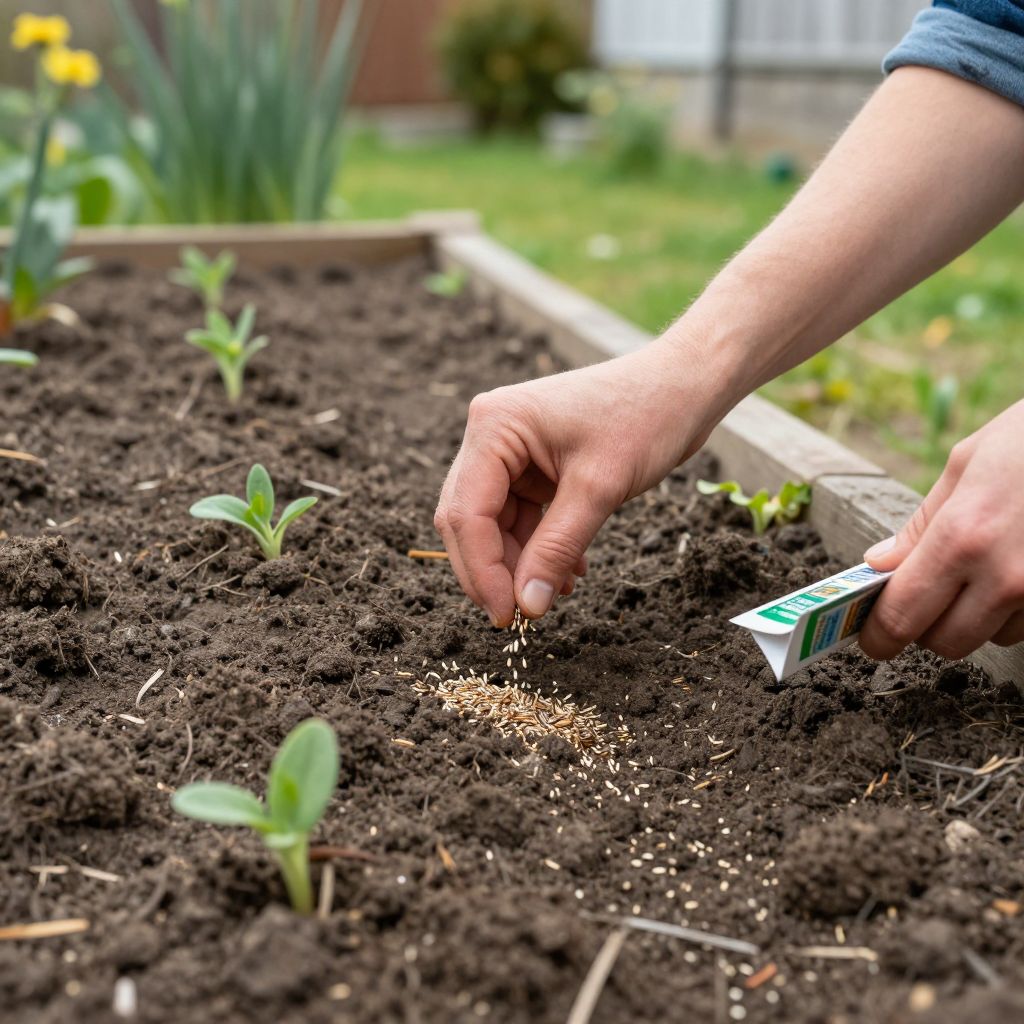
Wondering when to plant wildflowers so they actually germinate, bloom well, and come back strong? The best time depends on your climate, the seed mix, and whether you want annuals, perennials, or a naturalized meadow. In most gardens, wildflower seeds do best when sown in cool weather with good soil contact and enough moisture to start sprouting.
If you choose the right season and prepare the site properly, wildflowers are usually easier than many garden flowers. The key is matching planting time to your local temperatures, rainfall patterns, and the species in your mix.
When to plant wildflowers?
The best time to plant wildflowers is usually in early spring or late fall, depending on your climate and seed mix. Spring sowing works well where winters are harsh or soils stay wet, while fall sowing suits many regions because natural cold and moisture help seeds break dormancy and germinate evenly.
Choose the right season for your climate
Spring planting
Spring is often the safest choice if you want to see quick results from annual wildflowers or if your area has cold winters and heavy spring rains. Sow after the danger of hard frost has passed and the soil is workable, but while it is still cool and moist.
Spring planting is especially useful if:
- You want to see blooms the same year from annuals.
- Your site is prone to winter washout or erosion.
- You need to reseed a patch that was cleared recently.
Fall planting
Fall is often ideal for perennial wildflowers and native meadow mixes. Seeds can settle into the soil, experience winter chill, and germinate naturally when conditions improve in spring. In many regions, this gives stronger establishment than a rushed warm-season sowing.
Fall planting works best when:
- Soil temperatures are cooling but not frozen.
- You can sow before persistent snow or deep freezes arrive.
- Your mix includes species that benefit from cold stratification.
When summer planting makes sense
Summer is usually not the best time to sow wildflowers because heat and dry soil can reduce germination. If you must plant in summer, you will need reliable watering and careful site preparation. Even then, success is often lower than with spring or fall sowing.
In hot climates, a late summer or early autumn sowing may be better than midsummer planting. Aim for cooler soil and a period of more reliable moisture.
How to tell if your wildflower seeds are ready to sow
Before planting, check whether your seed mix contains annuals, perennials, or a blend. Some wildflower seeds germinate quickly, while others need cold, moisture, or time to break dormancy. The seed packet or supplier notes should tell you if the mix is suited to fall sowing, spring sowing, or both.
Also pay attention to your local conditions:
- Soil temperature: Cool-season sowing is often better than planting into hot soil.
- Moisture: Seeds need steady moisture to germinate, but not soggy ground.
- Sunlight: Most wildflowers need full sun for best flowering.
- Weed pressure: Timing matters because weeds can outcompete young seedlings.
Prepare the site before planting
Wildflowers do best in a clean, open seedbed. If you sow into thick grass, established weeds, or compacted soil, many seeds will struggle. A little preparation before planting makes a big difference.
- Remove existing vegetation. Clear turf, weeds, and debris from the planting area.
- Loosen the top layer of soil. Lightly rake or cultivate the top 1 to 2 inches so seeds can make contact with the soil.
- Level the surface. Smooth out clumps and low spots so water spreads evenly.
- Skip heavy compost unless the soil is poor. Many wildflowers prefer lean soil; too much fertility can favor weeds and tall grasses.
If your soil is extremely sandy or very compacted, a small amount of organic matter can help with moisture retention or structure. Use it sparingly. Wildflowers generally perform better in moderately lean soil than in rich garden beds.
How to plant wildflower seeds correctly
Broadcasting seed
Most wildflower mixes are easiest to sow by hand or with a spreader. Mix the seed with a dry carrier such as sand or fine vermiculite so you can distribute it more evenly. This is especially helpful with very small seeds.
After sowing, press the seed into the soil with a roller, board, or by walking lightly over the area. Do not bury most wildflower seeds deeply. Many need light or only a very shallow covering to germinate.
How deep should you sow?
A good rule is to sow no deeper than about 1/8 inch for many small wildflower seeds, unless the packet says otherwise. Larger seeds may tolerate a little more coverage. If in doubt, sow on the surface and press in gently rather than covering heavily.
Watering after sowing
Water gently right after planting so the seedbed is evenly moist. Use a fine spray or mist setting to avoid washing seed away. Keep the top layer from drying completely until seedlings are established.
Once seedlings are up, water less often but more deeply if rain is scarce. This encourages stronger roots and helps plants handle dry spells better.
What kind of site do wildflowers need?
Most wildflowers prefer full sun, meaning at least 6 hours of direct light daily. Some woodland or shade-tolerant species can handle partial shade, but meadow mixes usually flower best in open, sunny areas.
Good drainage is also important. Wildflowers often fail in spots that stay wet for long periods, especially in heavy clay soil. If your site puddles after rain, consider raised beds, soil improvement, or choosing species adapted to moist ground.
In general, wildflowers do best in:
- Open, sunny areas
- Well-drained soil
- Moderately low fertility
- Areas with limited competition from aggressive grasses
Common mistakes when planting wildflowers
Planting at the wrong time
Sowing too early into cold, saturated soil can rot seed, while sowing too late into hot, dry conditions can reduce germination. Match planting time to your local weather rather than the calendar alone.
Using too much fertilizer
Rich soil often encourages weeds and tall, leafy growth instead of flowers. If you want a meadow look, avoid heavy feeding unless a soil test shows a specific deficiency.
Covering seeds too deeply
Many wildflower seeds are tiny and need light to sprout. A thick layer of soil or mulch can prevent emergence. Use only a very light covering when the seed mix calls for it.
Letting weeds take over
Young wildflowers grow slowly at first. If weeds germinate faster, they can shade out seedlings. Keep the site weed-free before sowing and check it regularly during establishment.
How to care for wildflowers after planting
Care during the first 6 to 8 weeks matters most. Keep the seedbed moist, watch for crusting or erosion, and remove weeds carefully before they get established. Once the plants are growing, they usually need less intervention than many garden flowers.
For annual wildflower mixes, blooms may appear the same season if you sow early enough. Perennials may spend the first year building roots and only flower fully later. That is normal and not a sign that something is wrong.
Mowing and maintenance
If you are growing a meadow-style planting, mowing can help control weeds and encourage a more balanced stand. After seedlings are established, mow high if needed to keep aggressive weeds from seeding. For many perennial mixes, a late-season cutback after flowering and seed drop helps keep the area healthy.
Always check the needs of your specific mix before mowing. Some wildflowers reseed naturally and benefit from leaving seed heads in place for part of the season.
Troubleshooting poor germination
If your wildflowers do not come up well, the problem is usually one of a few common issues. The good news is that most are fixable on the next sowing.
- Seed was planted too deeply: Reseed lightly and press into the surface.
- Soil dried out: Water more consistently during germination.
- Weeds outcompeted seedlings: Clear the site more thoroughly before sowing.
- Seeds needed cold treatment: Fall sowing may work better than spring sowing for that mix.
- Soil stayed too wet: Improve drainage or choose a better site.
If you are unsure whether the seed is viable, check the packet date and storage conditions. Old seed can still germinate, but rates may be lower over time.
Can you plant wildflowers in containers or raised beds?
Yes, but the results are usually best with compact, low-growing species rather than a full meadow mix. Containers dry out faster than ground soil, so you will need closer attention to watering. Raised beds can work well if they drain freely and get plenty of sun.
Use a light, free-draining potting mix rather than heavy garden soil in containers. Sow seeds thinly, keep them moist, and thin crowded seedlings if needed so air can move between plants.
Best planting time by goal
- For quick color: Sow annual wildflowers in spring after frost risk passes.
- For stronger perennial establishment: Sow in fall where winters are suitable.
- For dry, hot climates: Aim for the cooler, wetter part of the year.
- For a new meadow site: Prepare the ground first, then sow when weeds are least active.
Conclusion
If you are deciding when to plant wildflowers, the best answer is usually cool weather with reliable moisture—often early spring or late fall. Match the timing to your climate, prepare a weed-free seedbed, and keep the soil lightly moist until seedlings are established. Start with one well-prepared patch, and you will have a much better chance of a colorful, lasting display.
For more practical help with meadow-style planting and site preparation, you may also want to read about how to prepare soil for a wildflower meadow and choosing native plants for sunny borders.