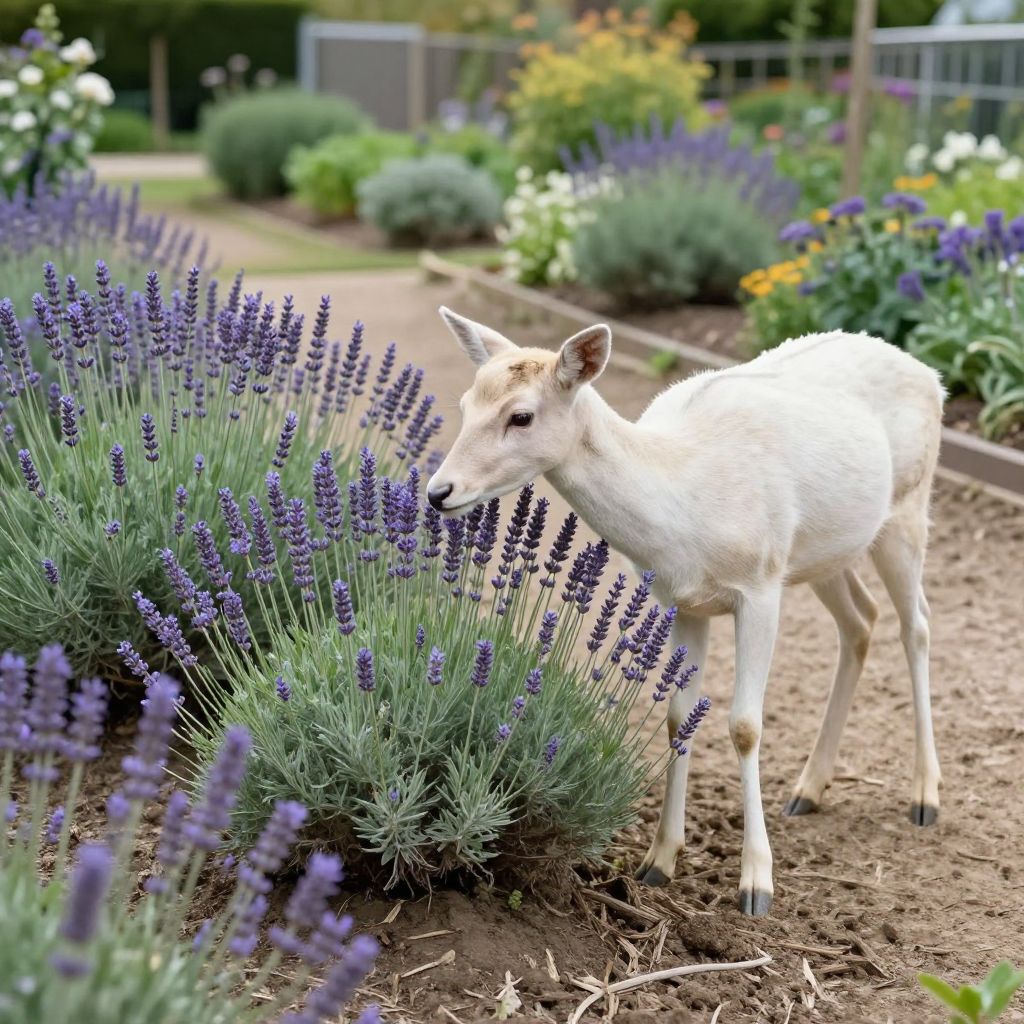
Do deer like lavender? If you’re hoping this fragrant plant will help keep browsing animals out of your garden, the short answer is that deer usually avoid lavender. Its strong scent, aromatic foliage, and slightly woody texture make it a poor choice for deer snacks in many gardens.
That said, no plant is completely deer-proof. In areas with heavy deer pressure, hungry deer may sample lavender if other food is scarce. The good news is that lavender can still be a smart, low-maintenance choice when you plant it in the right conditions and protect young plants while they establish.
Do deer like lavender?
Deer generally do not like lavender and often leave it alone because of its strong fragrance and resinous leaves. Lavender is considered deer-resistant, not deer-proof, so it works best as part of a broader planting strategy rather than as a guaranteed barrier plant.
Why deer usually avoid lavender
Deer tend to browse plants that are tender, moist, and mild-smelling. Lavender is the opposite: it has a strong aroma, narrow leaves, and a dry, slightly tough growth habit that many deer find unappealing.
What makes lavender less attractive
- Strong scent: The essential oils in lavender foliage and flowers can discourage browsing.
- Textured leaves: Lavender is not as soft and succulent as many favorite deer foods.
- Woody stems: Mature plants are less appealing than lush, leafy ornamentals.
- Low moisture content: Deer often prefer plants with more tender growth and higher water content.
Even so, deer behavior changes with season, population pressure, and food availability. In drought, winter, or overbrowsed landscapes, deer may sample plants they usually ignore.
When lavender may still get nibbled
- Newly planted lavender with soft growth
- Young plants before they become woody
- Gardens near heavy deer corridors or wooded edges
- Times when preferred forage is scarce
How to grow lavender successfully in a deer-prone garden
If you want lavender to thrive and stay as deer-resistant as possible, focus on growing conditions. Healthy, well-grown lavender is much less tempting than stressed, leggy plants.
Choose the right site
Lavender performs best in full sun with excellent air circulation. Aim for at least 6 to 8 hours of direct sun daily, though more is usually better in cooler climates.
Good drainage is essential. Lavender struggles in soggy soil, and wet roots can lead to decline, root rot, or weak growth that may invite browsing.
Soil and drainage
Lavender prefers lean, well-drained soil. It does not need rich, heavily amended garden beds.
- Use soil that drains quickly after rain or irrigation.
- Avoid heavy clay unless you improve drainage or plant in raised beds.
- Mix in grit or coarse material only if needed to improve structure, not to create a dense, compost-rich mix.
Too much compost can be a mistake. Lavender often grows too lush in overly fertile soil, which can reduce fragrance, weaken stems, and shorten plant life.
Watering lavender the right way
New lavender plants need regular watering while roots establish, but established plants prefer a drier routine. Water deeply, then allow the soil to dry before watering again.
- Check soil moisture with your finger before watering.
- Water at the base rather than overhead when possible.
- Reduce watering in cool or humid weather.
Overwatering is one of the most common reasons lavender fails. Soft, overwatered growth can also be more tempting to deer and more vulnerable to disease.
Mulching and spacing
Use mulch lightly, if at all, around lavender. In damp climates, thick mulch can trap moisture near the crown.
- Keep mulch away from the plant’s woody base.
- Space plants so air can move freely around them.
- Allow room for mature spread to prevent crowding.
Best ways to protect lavender from deer
Because deer-resistant plants are not foolproof, combine lavender with other practical defenses if deer are a regular problem in your area.
Use lavender as part of a mixed border
Lavender works well alongside other deer-resistant plants with strong scents or tough foliage. A mixed planting is usually more effective than relying on one plant alone.
Try placing lavender near the front of a border, along walkways, or around patios where its fragrance is appreciated and deer are less likely to linger.
Protect young plants
Newly planted lavender is the most vulnerable stage. Deer may sample tender new growth before the plant becomes established.
- Use temporary fencing around young plants if deer pressure is high.
- Install individual plant guards where needed.
- Monitor plants closely during the first growing season.
Combine with other deterrents
- Physical barriers such as fencing are the most reliable option.
- Motion-activated sprinklers can help in some gardens.
- Seasonal deer repellents may reduce browsing pressure, but they usually need reapplication and are not permanent.
If deer are extremely persistent, even lavender may need backup protection. No scent-based planting strategy works as well as a barrier when deer populations are high.
Pruning and maintenance for healthier, less tempting lavender
Proper pruning keeps lavender compact, woody at the base, and less likely to produce soft, overly lush growth. That matters because healthy, sturdy plants are usually less attractive to deer than weak, sprawling ones.
How to prune lavender
Light pruning after flowering often helps maintain shape. Avoid cutting deeply into old, leafless wood, since lavender may not resprout well from very old stems.
- Remove spent flower stems after bloom.
- Trim back soft growth to keep the plant rounded.
- Leave some green growth on each stem.
- Do not shear into bare woody sections.
Regular, gentle pruning encourages a fuller plant and helps prevent the open, floppy habit that can happen when lavender is neglected.
Fertilizer and feeding
Lavender usually needs little to no fertilizer in average garden soil. Excess feeding can create weak, leafy growth that is less fragrant and more prone to problems.
- Skip heavy nitrogen fertilizers.
- If soil is poor, improve drainage first rather than feeding heavily.
- Use compost sparingly, if at all, and only where soil is very depleted.
Common problems that can make lavender less deer-resistant
Sometimes gardeners think deer are suddenly eating lavender more often, when the real issue is plant stress. Stressed lavender is softer, less aromatic, and more likely to decline.
Root rot and soggy soil
Lavender hates wet feet. If the plant is yellowing, wilting despite moist soil, or collapsing from the base, drainage may be the problem.
Fix: Move plants to a better-drained site, raise the planting area, or switch to containers with drainage holes.
Leggy growth
Plants that receive too little sun or too much fertilizer may become leggy and weak. These plants often bloom less and can look unkempt.
Fix: Increase sunlight, reduce feeding, and prune lightly to encourage a compact shape.
Winter damage
In cold or wet winters, lavender can suffer from dieback, especially if the soil stays damp. Damaged plants may produce soft regrowth that deer notice.
Fix: Choose a well-drained site, avoid heavy winter mulch against the crown, and select lavender types suited to your climate.
Growing lavender in containers
Container-grown lavender can be a good option if your garden soil is heavy or if deer roam through planting beds. Pots also let you place the plant near a sunny patio or entryway where you can enjoy the scent.
Container care basics
- Use a pot with drainage holes.
- Choose a fast-draining potting mix.
- Place the container in full sun.
- Water only when the top layer of mix dries out.
Containers dry out faster than garden beds, so check them regularly, especially in hot weather. At the same time, avoid keeping the mix constantly moist.
Propagation and replacing older plants
If you already have a healthy lavender plant, you can often propagate new plants from cuttings. This is useful if you want to expand a deer-resistant border without buying many new plants.
Simple propagation approach
- Take a healthy non-flowering stem cutting.
- Remove lower leaves.
- Place it in a light, well-drained rooting medium.
- Keep it lightly moist, not wet, while roots form.
Young propagated plants should be protected from deer just like nursery starts. They are especially tender in the beginning.
Quick planting checklist for deer-prone areas
- Plant lavender in full sun.
- Use well-drained soil or raised beds.
- Avoid rich, soggy soil and heavy fertilizing.
- Water carefully until established.
- Prune lightly to keep plants compact.
- Protect new plants if deer pressure is high.
Final answer: should you plant lavender if deer visit your garden?
Yes, lavender is a good choice if you want a fragrant, attractive plant that deer usually leave alone. It is not a guarantee against browsing, but it can reduce deer damage when paired with smart planting and protection.
If deer are a major issue where you live, start with a few lavender plants in the sunniest, best-drained part of your garden and watch how local deer behave. For more ideas on managing wildlife pressure, you may also want to read what to feed deer so you can better understand their habits and avoid attracting them to your yard.