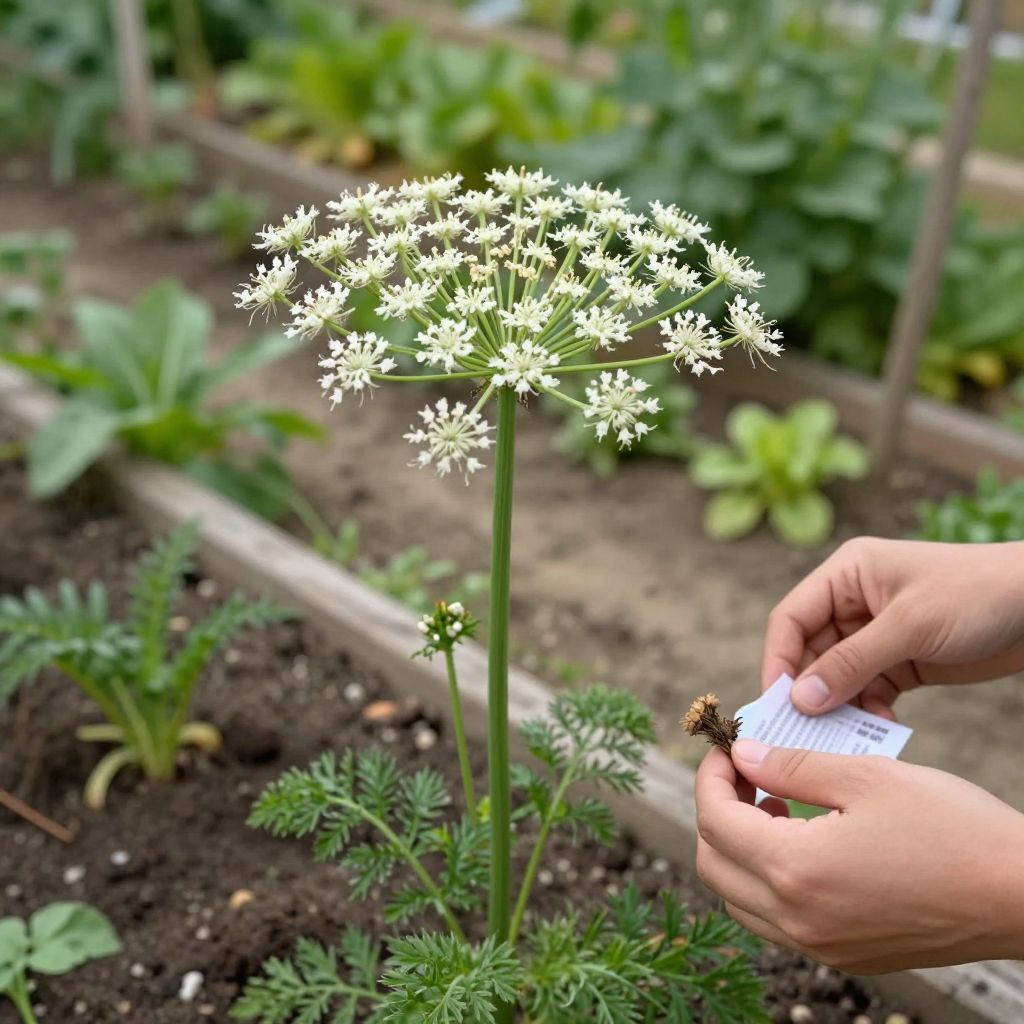
Wondering where do carrot seeds come from? The short answer is that carrot seeds are produced by carrot plants after they flower and set seed, usually in their second year of growth. To get those seeds, growers let healthy carrots bolt, bloom, and form seed heads, then harvest the dry seed when it matures.
If you have only ever bought carrot seed packets, the process can seem mysterious. In reality, it is a straightforward seed-saving cycle, but it takes patience, the right weather, and a little planning to get good-quality seed.
Where do carrot seeds come from?
Carrot seeds come from the flowering stalks of carrot plants after the plant has completed its life cycle. Carrots are biennials, so they usually grow roots the first season, overwinter, then send up tall flower umbels in the second season. Those flowers are pollinated and mature into the small, ridged seeds gardeners collect.
How carrot seed production works
The carrot life cycle
Most garden carrots, Daucus carota, are grown for their swollen roots in year one. If you leave a healthy root in the ground or replant it, the plant uses stored energy to produce a tall flowering stalk the following season.
- Year 1: leafy tops and edible root develop.
- Cold period: the plant experiences winter chill or an equivalent cold period.
- Year 2: the plant bolts, flowers, and sets seed.
That second-year flowering is why carrot seed is not harvested from the same roots you pull for eating. You need selected roots to survive long enough to flower.
What the flowers look like
Carrot flowers grow in flat-topped clusters called umbels. Each umbel holds many tiny white flowers, and each flower can produce a seed if pollinated. As the heads dry, the seeds mature and turn brownish.
Because carrots are insect-pollinated, seed production depends on bees, flies, and other beneficial insects. Good pollinator activity usually improves seed set and seed quality.
Best locations for growing carrot seed
The best place to grow carrot seed is a sunny, open spot with well-drained soil and enough room for tall flowering stalks. Choose a location where carrot plants can stay in place for a long time, and where you can isolate them from other carrot varieties if you want true-to-type seed.
Ideal site conditions
- Sunlight: full sun is best for strong flowering and seed ripening.
- Soil: loose, fertile, and free-draining soil helps roots overwinter and resprout well.
- Air circulation: open spacing reduces foliar disease and helps seed heads dry.
- Room to grow: flowering carrots can become 3 to 6 feet tall or more, depending on conditions.
If your soil is heavy clay or stays wet in winter, seed production can be unreliable because roots may rot before they flower. In that case, a raised bed or a well-drained border is often a better choice.
Isolation matters
If you are saving seed from a named carrot variety, location matters for another reason: carrots cross-pollinate easily with other flowering carrots nearby. To keep seed true, grow only one variety at a time within a practical isolation distance, or use physical barriers and timing strategies.
For most home gardeners, the simplest approach is to grow just one carrot variety for seed in a season and avoid nearby wild carrot or other flowering carrot crops.
How to grow carrots for seed
Step 1: Start with healthy roots
Choose strong, disease-free carrots with good shape and the traits you want to preserve. Roots should be firm, undamaged, and true to type. Avoid any that are split, woody, stunted, or pest-damaged.
Step 2: Overwinter them correctly
In climates with winter cold, carrots can be left in the ground if the soil drains well and does not freeze into a waterlogged mass. In colder or wetter areas, dig selected roots before hard freezes and store them in barely moist sand, sawdust, or peat-free medium in a cool, frost-free place.
- Keep roots cool, not warm.
- Prevent shriveling by maintaining slight moisture.
- Discard any roots that soften, mold, or rot.
In mild climates, carrots may overwinter in place and bolt naturally in spring. In colder regions, storing them is often safer than leaving them exposed to freeze-thaw damage.
Step 3: Replant in spring
When the weather begins to warm and the soil is workable, replant the selected roots. Set the crown at soil level and space the roots far enough apart for airflow and stalk development. A spacing of about 12 to 18 inches is often helpful for seed plants, though you can adjust for your bed size.
Water after planting to settle the soil, then keep moisture even while the plant establishes. Once flowering begins, avoid overwatering; wet, stagnant conditions can encourage disease.
Step 4: Support flower stalks if needed
Seed stalks can become tall and top-heavy. In windy gardens, a light stake or support can prevent lodging, especially in exposed sites. Keep support gentle so you do not damage the stems or umbels.
When and how to harvest carrot seed
Knowing when seed is ready
Carrot seed does not ripen all at once. The flower heads mature gradually, and the seeds are ready when the umbels dry and turn brown or tan. If you rub a mature head, the seeds should come away easily and feel dry and firm.
Do not wait too long in hot, dry, windy weather, because mature seed can shatter and drop from the head. Harvesting in stages is usually the safest method.
Harvesting step by step
- Cut mature umbels into paper bags or onto a clean tray.
- Let them dry further in a shaded, airy place.
- Rub or thresh the heads gently to release the seed.
- Remove chaff and debris by hand or with a light winnowing motion.
- Store only fully dry seed in a labeled, airtight container.
Good seed storage is important. Keep seed cool, dry, and out of direct sunlight. Properly dried carrot seed can remain usable for several years, though freshness usually gives better germination.
Common problems when saving carrot seed
Bolting too early
Sometimes carrots send up flower stalks in the first season. This usually happens because of stress such as temperature swings, transplant shock, irregular watering, or overly mature roots. If you want roots for eating, harvest promptly before bolting. If you want seed, early bolting is less useful because the root may be small and weak.
Poor pollination
Carrot flowers need insect activity to set seed well. If seed heads are sparse or empty, the issue may be poor pollination, very hot weather, or nearby competition from other flowering plants. Encourage pollinators by avoiding broad-spectrum insecticides and by growing nectar-rich flowers nearby.
Cross-pollination
One of the biggest mistakes in carrot seed saving is assuming the seed will stay true without isolation. Carrots cross readily with other flowering carrots, including some wild forms. If you need reliable seed, isolate carefully or grow only one variety for seed production.
Rotting roots before flowering
Roots stored too wet, too warm, or in poorly drained soil may rot before they can flower. The fix is simple but important: use healthy roots, store them in a cool place, and avoid soggy conditions.
Growing conditions that improve seed quality
Soil and fertility
Seed carrots do best in soil that is fertile but not overly rich in nitrogen. Excess nitrogen can push lush foliage at the expense of flower and seed development. Compost is useful, but work it in moderately rather than overloading the bed.
Loose soil also makes it easier to lift, store, and replant roots without injury. Damaged roots are more likely to fail during overwintering.
Watering
Keep soil evenly moist while roots are establishing and while flowering begins. After that, moderate watering is usually enough unless your climate is very dry. Avoid frequent shallow watering that keeps the surface wet without reaching the roots.
Temperature and climate
Carrot seed production depends on a cold period for biennial flowering in many climates. In regions with mild winters, some carrots may still flower, but the timing can be less predictable. In very cold regions, overwintering in the ground may not be practical without protection.
Because local climate matters so much, watch your own garden conditions rather than relying on a fixed calendar date. Soil temperature, frost risk, and winter moisture all affect success.
Saving seed from carrots at home: a simple plan
If you want to produce your own carrot seed, start small. One or two healthy roots are enough for a first attempt, and that makes it easier to manage isolation and storage.
- Select the best roots from the variety you want to preserve.
- Overwinter them in good condition.
- Replant in spring in a sunny, open bed.
- Protect the seed crop from crowding and excess moisture.
- Harvest when the umbels are dry and the seed is mature.
This approach helps you learn the timing without risking a whole bed of carrots.
Can you buy carrot seed instead of saving it?
Yes, and for many gardeners that is the easiest option. Commercial carrot seed is produced by growers who specialize in isolation, selection, and large-scale seed cleaning. Buying seed is often the best choice if you want dependable germination, a specific variety, or you do not have space to isolate plants properly.
Still, understanding where carrot seeds come from helps you grow better carrots and decide whether seed saving is worth trying in your garden.
Conclusion
Carrot seeds come from mature, flowering carrot plants, usually in their second year. If you want to save your own seed, choose healthy roots, overwinter them carefully, replant in a sunny, well-drained spot, and harvest the dry seed heads before they shatter.
For more practical gardening guidance, you may also want to read related advice on seed saving basics and how to grow carrots successfully.