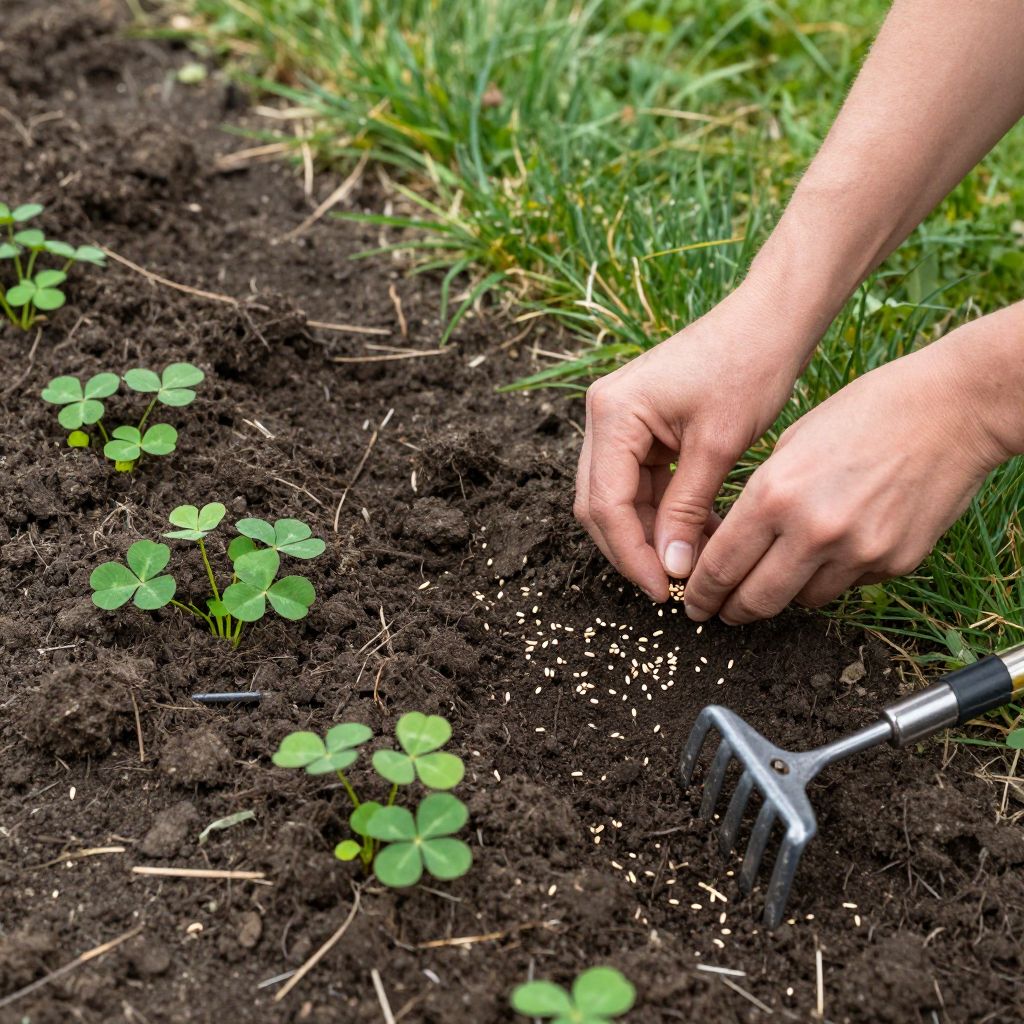
Wondering when to plant clover so it actually takes off? The best time depends on your climate, your goal, and whether you’re sowing it into bare soil, a lawn, or a garden bed. Clover establishes best when temperatures are mild and moisture is reliable, so timing matters as much as the seed itself.
Planting at the right moment helps clover germinate evenly, root deeply, and compete with weeds. With a little planning, you can use clover as a ground cover, lawn companion, pollinator plant, or soil builder with much better results.
When to plant clover?
The best time to plant clover is usually in early spring or late summer to early fall, when soil is cool, moisture is steady, and extreme heat is less likely. In mild climates, fall sowing often gives the strongest start. In hot or dry regions, spring planting is usually safer if you can keep the seedbed evenly moist.
Why timing matters for clover
Clover seed is small and shallow-sown, so it needs reliable surface moisture to germinate well. If you plant during hot, dry weather, seedlings can dry out before they establish. If you plant too late in the season, young plants may not root deeply enough before cold or drought stress arrives.
What clover needs to get established
- Cool to mild temperatures for germination and early growth
- Moist but not soggy soil
- Good seed-to-soil contact
- Enough light for the type you are growing
- Time to root before heat, frost, or heavy foot traffic
Best planting windows by season
Spring planting
Spring is a good choice when you want clover to grow through the cooler part of the season before summer heat arrives. Sow after the soil can be worked and the danger of hard freezes has passed in your area.
Spring planting works especially well if you can water lightly and consistently during germination. It is often the safest option in regions with hot, dry summers.
Late summer to early fall planting
Fall is often the best time to plant clover in many climates because soil is still warm enough for germination, while cooler air reduces stress on seedlings. Rainfall is often more dependable, and weeds may be less aggressive than in spring.
Plant early enough that seedlings have several weeks of growth before the first hard frost. That gives them time to develop roots and overwinter more successfully.
Summer planting
Summer planting is possible, but it is the most demanding option. Seedlings can struggle in heat and dry soil, so this timing only works well if you can irrigate carefully and protect young plants from drying out.
If you must plant in summer, choose a cooler stretch of weather and sow in the evening or before a rainy period when possible.
Winter planting
In cold climates, winter sowing is usually not practical outdoors because seed will sit dormant or fail in frozen ground. In very mild areas, clover may be planted during winter if the soil is workable and temperatures stay moderate, but establishment will still be slower.
How to choose the right time for your local climate
There is no single date that works everywhere. Instead, use your local conditions to guide timing.
- Cool-season regions: plant in early spring or late summer/fall.
- Hot-summer regions: favor early spring or early fall, avoiding peak heat.
- Mild-winter regions: fall planting often gives excellent results.
- Dry climates: plant when irrigation is easiest and temperatures are moderate.
Check your average last frost date, first frost date, and typical rainfall pattern. Clover germinates best when the seedbed can stay lightly moist for the first couple of weeks.
How to plant clover successfully
Prepare the site
Clover grows best in well-drained soil with moderate fertility. It can handle a range of soil types, but it dislikes waterlogged ground and very compacted soil.
- Clear away thick weeds, debris, and large stones.
- Loosen the top layer of soil so the seed can make contact.
- Rake the area smooth.
- If the soil is poor, mix in a thin layer of compost rather than heavy fertilizer.
For lawn overseeding, mow low and rake out thatch so seed can reach the soil surface.
Sow the seed shallowly
Clover seed should be sown very shallowly, usually just pressed into the soil or covered with a very light dusting of soil. Do not bury it deeply, or germination will be reduced.
After sowing, press the seed in with a roller, board, or the back of a rake. Good contact with the soil is often more important than depth.
Water gently until established
Keep the seedbed evenly moist, not soaked, during germination. Light, frequent watering is usually better than heavy watering that washes seed away.
Once seedlings emerge, shift to deeper, less frequent watering if rainfall is insufficient. This encourages stronger roots.
Soil, sunlight, and growing conditions
Soil preferences
Clover prefers soil that drains well and stays moderately moist. It can tolerate less-than-perfect soil better than many garden plants, but standing water and severe compaction will slow growth.
If your soil is very heavy clay, improve drainage first by loosening the area and adding organic matter where appropriate. If the site stays wet after rain, consider planting elsewhere.
Sunlight needs
Most clovers grow best in full sun to partial shade. More sun usually means denser growth, but in hot climates a little afternoon shade can help seedlings cope with stress.
If you are planting clover under trees or in a partially shaded lawn, expect slower growth and thinner coverage than in open sun.
Fertility and compost
Clover is a legume, so it can help improve soil by working with beneficial bacteria that fix nitrogen. Because of that, it usually does not need heavy feeding.
A thin layer of compost can help poor soil, but too much nitrogen fertilizer may encourage lush leaf growth at the expense of the plant’s natural balance and can favor grass over clover in a mixed lawn.
Types of clover and timing differences
White clover
White clover (Trifolium repens) is commonly used in lawns and ground cover plantings. It spreads and can fill in spaces over time, so timing matters if you want it to establish before weeds do.
Red clover
Red clover (Trifolium pratense) is often grown as a cover crop, soil improver, or pollinator plant. It is usually sown in spring or late summer, depending on your goal and climate.
Always match the species to your purpose. A lawn clover planting and a cover crop planting may need different timing, mowing, and maintenance.
Common mistakes to avoid
- Planting too late in hot weather, when seedlings dry out quickly
- Burying the seed too deeply
- Letting the seedbed dry out during germination
- Planting into compacted or waterlogged soil
- Using too much fertilizer, especially nitrogen-heavy products
- Expecting instant coverage; clover often fills in gradually
Troubleshooting poor germination
Seed is not sprouting
If clover seed is slow to sprout, the most common causes are dry soil, planting too deep, or temperatures that are too hot or too cold. Check the seedbed first before assuming the seed is bad.
Try keeping the top layer consistently moist and lightly covering exposed seed with a thin layer of fine soil or compost if needed.
Seedlings are patchy
Patchy growth often means uneven watering, poor seed-to-soil contact, or competition from weeds and grass. Rake lightly over sparse areas, press the seed in again, and water more evenly.
Young plants are disappearing
If seedlings vanish, birds, insects, slugs, or drying winds may be the issue. In exposed sites, use a light mulch of clean straw or a temporary cover that still allows light through, then remove it once seedlings are established.
Maintenance after planting
Once clover is established, it is relatively low-maintenance. Still, a little care early on makes a big difference.
- Mow or trim if needed to prevent shading in lawn mixes.
- Water during dry spells until roots are established.
- Watch for aggressive weeds while the clover is young.
- Avoid heavy foot traffic until the planting has filled in.
If you are using clover as a living mulch or ground cover, occasional trimming can keep it tidy and encourage denser growth. For cover crop use, you may later mow it down or incorporate it according to your garden plan.
Pests and problems to watch for
Clover is generally resilient, but young plantings can still run into trouble. Slugs may nibble seedlings in damp conditions, and dense, wet growth can sometimes invite fungal issues.
Good airflow, proper spacing, and avoiding overwatering are the best preventive steps. If you see damaged seedlings, inspect the area at dusk or early morning to identify the cause before treating it.
Quick planting checklist
- Choose early spring or late summer/fall in most climates.
- Pick a site with sun to partial shade and decent drainage.
- Prepare a fine, weed-free seedbed.
- Sow seed shallowly and press it in.
- Keep the surface evenly moist until established.
- Protect young plants from heat, drought, and heavy traffic.
Conclusion
If you want the best results, plant clover when temperatures are moderate and moisture is dependable—usually early spring or late summer to early fall. Match the timing to your local weather, prepare the soil well, and keep the seedbed lightly moist while it germinates. If you are planning a lawn or ground cover project, it may also help to read more about overseeding a lawn and using compost to improve garden soil before you start.