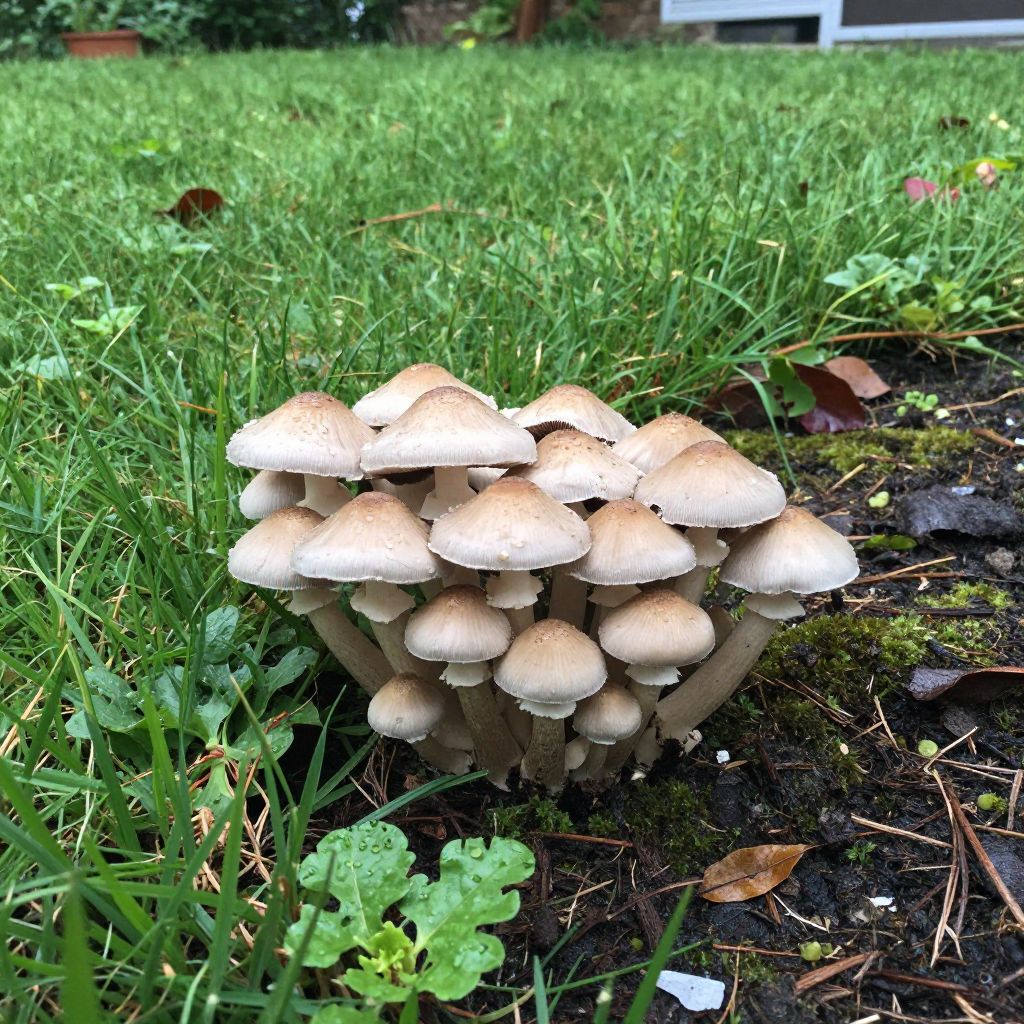
Why are there mushrooms growing in my yard? In most cases, it means the soil is damp, organic material is breaking down, and fungal growth is doing its job. Mushrooms are usually a sign of active decomposition, not a disease problem by themselves.
That said, a sudden flush of mushrooms can point to overly wet soil, buried wood, excess mulch, poor drainage, or compacted turf. The good news is that most yard mushrooms are manageable once you identify what is feeding them and adjust the conditions around them.
Why are there mushrooms growing in my yard?
Mushrooms appear when fungi are breaking down organic matter in your lawn, beds, or mulch. They often show up after rain, irrigation, or humid weather, especially where wood chips, roots, thatch, or buried debris are present. In many cases, they are harmless and temporary, but repeated growth can signal too much moisture or decaying material below the surface.
Common reasons mushrooms show up outdoors
1. Moist soil after rain or frequent watering
Fungi love moisture. If your yard stays wet for long periods, mushrooms may fruit from the hidden fungal network already living in the soil.
This is especially common in shaded areas, low spots, and lawns watered too often or too late in the day.
2. Decomposing wood, roots, or buried organic debris
Old stumps, buried roots, construction scraps, and wood chips can feed fungi for months or even years. Mushrooms often appear right above the material they are breaking down.
If mushrooms keep returning in the same spot, there may be buried wood or a rotting root system below the surface.
3. Thick mulch or compost-rich beds
Mulch is useful, but a very thick layer can stay damp and encourage fungal fruiting. The same is true for beds with lots of unfinished compost or leaf litter.
In garden beds, mushrooms are often a sign that the organic matter is decomposing normally.
4. Compacted soil and poor drainage
When water cannot drain well, the surface stays wet and roots get less oxygen. That creates ideal conditions for many fungi and can also weaken turf or landscape plants nearby.
Clay-heavy soil, foot traffic, and low-lying areas are common trouble spots.
5. Shady, cool conditions
Less sun means slower evaporation. Shaded lawns and planting beds often hold moisture longer, so mushrooms are more likely to appear there than in hot, open areas.
Dense tree cover, fences, and north-facing exposures can all contribute.
Are yard mushrooms harmful?
Most mushrooms growing in a yard are not harmful to your grass, shrubs, or trees. In fact, they are often part of a healthy decomposition process. The visible mushroom is just the fruiting body; the fungus itself is usually already present underground or in mulch.
However, you should still treat them with care because some mushrooms are toxic if eaten, and a few may indicate underlying decay in wood, roots, or structural materials near the home.
When mushrooms are a concern
- They appear repeatedly in the same place, especially over buried stumps or roots.
- The ground stays soggy for long periods.
- Nearby plants show stress from poor drainage or root rot.
- You suspect the fungus is feeding on structural wood near decks, fences, or foundations.
What to do when mushrooms appear in your yard
- Remove them promptly. Twist or cut off the mushrooms and dispose of them in the trash. Do not compost them if you are unsure of the species.
- Keep children and pets away. Never assume a wild mushroom is safe to touch or eat.
- Check the location. Look for buried wood, stumps, thick mulch, drainage issues, or areas that stay wet after watering or rain.
- Reduce excess moisture. Water only when the soil actually needs it, and avoid frequent shallow watering that keeps the surface damp.
- Improve airflow and light where possible. Thin dense groundcover, prune low branches carefully, or open up shaded areas if appropriate for the landscape.
- Aerate compacted turf. In lawns, core aeration can improve drainage and reduce the damp conditions mushrooms prefer.
- Remove buried organic debris if practical. Stumps, roots, and old lumber may need to be dug out or professionally removed if they keep fueling fungal growth.
How to tell whether the problem is in the lawn, beds, or mulch
In lawns
Mushrooms in turf often point to thatch buildup, buried wood, or overly wet soil. If the grass is otherwise healthy, the mushrooms are usually more of a nuisance than a threat.
Look for soft spots, poor drainage, or places where water pools after rainfall.
In mulch beds
Mulch mushrooms are very common, especially after rain. They usually mean the mulch is decomposing and holding moisture, which is normal to a point.
If the mulch layer is very deep, rake it back slightly and make sure it is not packed tightly against stems or trunks.
Near trees and shrubs
Mushrooms near woody plants may be feeding on roots, buried wood, or decaying organic matter. This does not automatically mean the plant is in danger, but it is worth checking for dieback, soft roots, or signs of decline.
If a tree is leaning, losing vigor, or has visible decay at the base, consider having it evaluated by a qualified arborist.
Best fixes for recurring mushrooms
Improve drainage
If water sits in the area, address the drainage problem first. Regrading, adding a drainage channel, or changing irrigation patterns may be more effective than repeatedly removing mushrooms.
In planting beds, avoid overwatering and make sure soil is not staying saturated around roots.
Adjust mulch use
Keep mulch at a moderate depth, typically about 2 to 3 inches for most beds, and pull it back a little from stems and trunks. Excessive mulch can trap moisture and create a perfect fungal habitat.
Replace old, soggy mulch if it has become matted or heavily decomposed.
Remove the food source
If mushrooms are feeding on buried wood, old roots, or stump grindings, the long-term fix is to remove or break down that material. In some cases, the fungi will continue fruiting until the food source is exhausted.
That means the mushrooms may return even after you pick them, unless the underlying material is addressed.
Reduce shade and compaction where possible
Prune selectively to increase light and airflow. If the area is compacted, core aeration or careful cultivation can help soil dry more evenly and support healthier roots.
Do not overwork wet soil, which can make compaction worse.
What not to do
- Do not apply fungicide blindly. It rarely solves the underlying cause in lawns or mulch beds.
- Do not assume mushrooms mean your grass is diseased.
- Do not eat any wild mushroom unless it has been identified by an expert.
- Do not keep adding water to “help” the lawn recover if the soil is already damp.
- Do not bury fresh wood chips too deeply under soil unless you understand how decomposition will affect moisture and nitrogen balance.
Seasonal patterns you may notice
Mushrooms often appear after periods of rain, warm weather following moisture, or cool, humid spells. They may also flush in spring and fall when temperatures are moderate and soil stays damp longer.
In dry weather, the mushrooms may disappear quickly, but the fungus itself can remain active underground until conditions improve again.
When to get help
Most yard mushrooms are harmless, but you should seek professional advice if you see repeated growth near valuable trees, a deck, a fence post, or your home’s foundation. Persistent mushrooms in those areas can indicate hidden decay that deserves attention.
If you are unsure whether a mushroom is toxic, do not handle it with bare hands if you can avoid it, and keep pets and children away until it is removed.
Simple takeaway
If you are wondering why are there mushrooms growing in my yard, start by checking moisture, mulch, and buried organic matter. In most cases, the fix is not to “kill” the mushrooms but to correct the damp, decaying conditions that let them appear. Remove the fruiting bodies, improve drainage, and watch for the same spot to return.
For more practical yard care, you may also want to read about how to improve soil drainage and mulching basics for healthy garden beds.