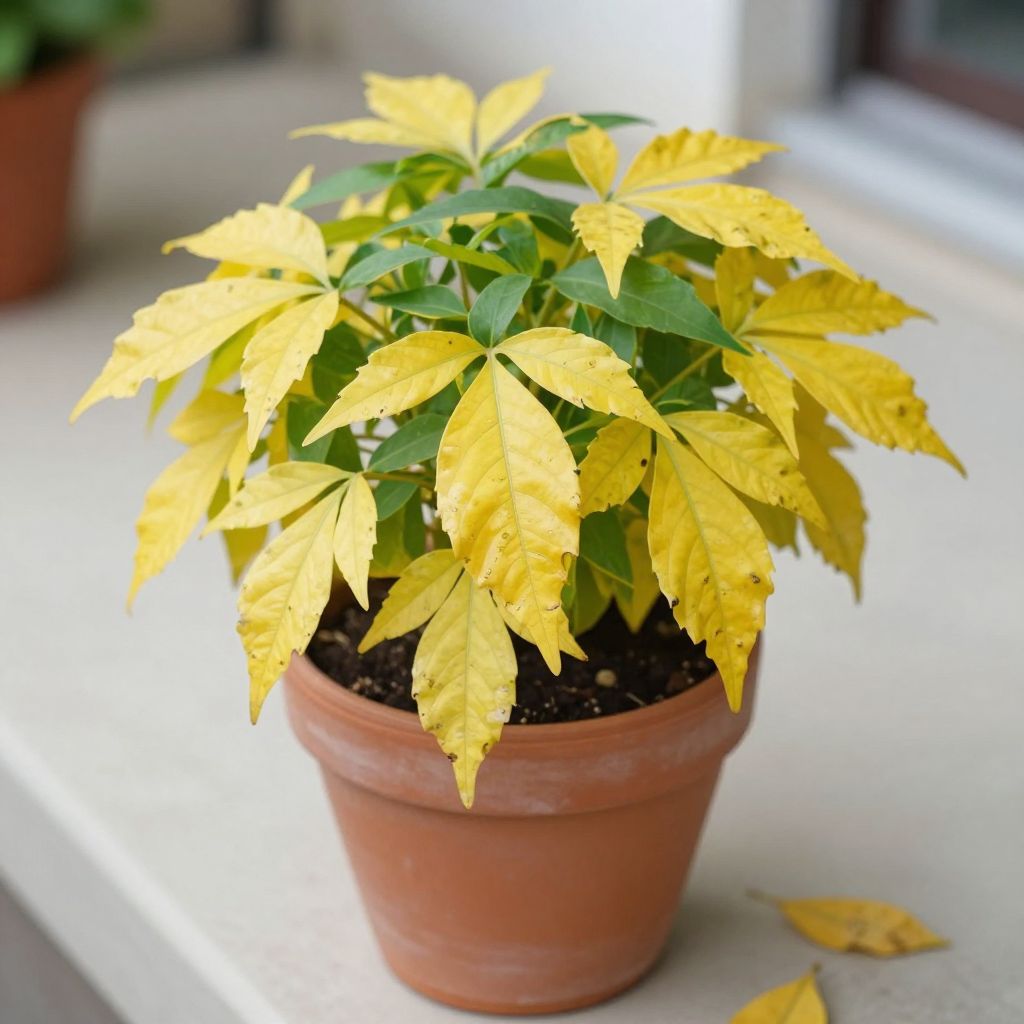
Why is my plant turning yellow? Yellowing leaves are a common warning sign, but the cause is not always the same. It can point to watering mistakes, poor drainage, low light, nutrient issues, pests, disease, root problems, or simply normal aging of older leaves.
The good news is that yellow leaves usually give you clues if you look closely. By checking the pattern of yellowing, the soil, light, and overall plant health, you can narrow down the cause and fix the real problem instead of guessing.
Why is my plant turning yellow?
Most yellowing leaves are caused by stress from too much or too little water, poor drainage, insufficient light, nutrient imbalance, pests, or root damage. Look at where the yellowing starts, how fast it spreads, and whether the plant is indoors or outdoors. Those details usually point to the right fix.
Start by reading the yellowing pattern
Before you change anything, inspect the plant carefully. Yellow leaves can mean very different things depending on whether the whole plant is fading, just the lower leaves are yellowing, or the veins stay green while the tissue turns yellow.
What the pattern can tell you
- Older lower leaves yellow first: often normal aging, low nitrogen, or inconsistent watering.
- New growth turns yellow: may signal iron deficiency, root problems, or poor drainage.
- Whole plant turns pale yellow: often too little light, nutrient shortage, or chronic overwatering.
- Yellow leaves with brown, crispy edges: usually underwatering, salt buildup, or sun scorch.
- Yellowing with spots, webbing, or sticky residue: likely pests or disease.
Watering problems are the most common cause
Improper watering is the most frequent reason plants turn yellow. Both overwatering and underwatering can stress roots, reduce oxygen, and stop the plant from taking up nutrients properly. The key is to check the soil, not just follow a fixed schedule.
If you are overwatering
Overwatered plants often look soft, limp, and pale. The soil may stay wet for days, and the pot may feel heavy long after watering.
- Let the top layer of soil dry before watering again.
- Empty saucers so roots are not sitting in water.
- Make sure containers have drainage holes.
- Repot if the potting mix has become compacted or sour-smelling.
Important: Yellow leaves from overwatering often appear first on lower growth, but the real issue is usually the roots. If roots are brown, mushy, or smell bad, the plant may be starting to rot.
If you are underwatering
Underwatered plants may yellow before leaves dry out or drop. The soil often pulls away from the pot edges, and the plant may wilt during the day.
- Water deeply until excess drains from the bottom.
- For very dry soil, water slowly in stages so the mix can absorb moisture.
- Check containers more often in hot, windy, or sunny weather.
- Mulch outdoor plants to reduce moisture loss.
Poor drainage and root stress can cause yellow leaves
Even if you water carefully, yellowing can still happen if the roots cannot breathe. Heavy clay soil, compacted beds, and pots without drainage all hold too much water around the roots.
How to improve drainage
- Check whether water pools on the soil surface or drains too slowly.
- For containers, use a quality potting mix rather than garden soil.
- For garden beds, loosen compacted soil and add compost to improve structure.
- If the site stays wet, consider raised beds or moving the plant to a better-drained spot.
Do not add gravel to the bottom of pots as a fix for drainage. It usually does not help and can create a wetter zone above the gravel layer.
Light problems often show up as yellowing
Plants need enough light to make food through photosynthesis. If a plant is in too much shade, leaves may become pale or yellow as growth slows. On the other hand, sudden intense sun can scorch leaves and create yellow patches.
Too little light
Low light yellowing is common indoors and in shaded garden corners. The plant may stretch toward the window or produce weak, sparse growth.
- Move indoor plants closer to a bright window if the species prefers bright indirect light.
- Rotate the pot every week or two so all sides receive even light.
- Outdoors, prune nearby plants if they are blocking too much sun.
Too much direct sun
If yellowing appears after a sudden move outdoors or after a heat wave, the plant may be sun-stressed. Leaves can bleach, yellow, or develop dry, brown patches.
- Acclimate plants gradually to stronger sun over 7 to 10 days.
- Provide afternoon shade for tender plants in hot climates.
- Water consistently during hot spells, but do not keep soil soggy.
Nutrient deficiencies can make leaves yellow
Plants need balanced nutrition, but yellowing does not always mean you should add more fertilizer right away. The type of yellowing matters, and overfertilizing can make the problem worse.
Common nutrient-related yellowing
- Nitrogen deficiency: older leaves yellow first, often starting with a general pale look.
- Iron deficiency: new leaves yellow while veins stay greener, especially in alkaline soil.
- Magnesium deficiency: older leaves may yellow between veins.
If the plant is in a container, nutrients can wash out over time. If it is in the ground, soil pH and root health matter as much as fertilizer.
How to correct nutrient issues safely
- Use compost to improve soil over time in garden beds.
- Feed container plants with a balanced fertilizer according to the label and the plant’s needs.
- Avoid fertilizing a drought-stressed or root-damaged plant until it recovers.
- If iron chlorosis is suspected, check whether the soil is alkaline and whether the plant prefers acidic conditions.
Do not keep adding fertilizer every time a leaf yellows. Salt buildup from excess fertilizer can damage roots and cause even more yellowing.
Pests and diseases can also turn leaves yellow
Insects and diseases often create yellowing along with other symptoms. Look closely at both sides of the leaves, stems, and soil surface. Early detection makes treatment much easier.
Common pest signs
- Aphids: sticky residue, curled leaves, and clusters of small insects.
- Spider mites: fine webbing and speckled yellow stippling on leaves.
- Whiteflies: tiny insects that fly up when the plant is disturbed.
- Scale insects: small bumps on stems or leaf veins, often with yellowing and decline.
Common disease signs
- Yellow spots with dark centers
- Rapid wilting despite moist soil
- Soft stems or root rot symptoms
- Leaves yellowing unevenly with mold or mildew
Remove heavily damaged leaves, improve air circulation, and avoid wetting foliage late in the day. For pests, a strong spray of water can dislodge many soft-bodied insects. For serious infestations, use the least disruptive control that matches the pest and the plant.
Temperature stress and seasonal change matter too
Plants often yellow when temperatures swing too far from what they prefer. Cold snaps can damage tender foliage, while heat stress can cause older leaves to fade or drop. Seasonal changes also affect how much water and light a plant needs.
What to watch for by season
- Spring: newly planted specimens may yellow while roots establish.
- Summer: heat, drought, and sun scorch are common causes.
- Autumn: some yellowing is normal as deciduous plants prepare to drop leaves.
- Winter indoors: low light and dry air often contribute to yellowing houseplants.
If your plant is newly transplanted, give it time to settle. A short period of yellowing can happen after root disturbance, but ongoing decline means something in the growing conditions still needs attention.
What to do right now when you notice yellow leaves
A simple troubleshooting routine can save time and prevent overcorrecting. Start with the easiest checks first.
- Check the soil moisture. Feel 1 to 2 inches down for most houseplants, or deeper for larger outdoor plants.
- Inspect drainage. Make sure water can move freely through the pot or bed.
- Look at the light. Ask whether the plant has enough light for its species.
- Examine the leaves closely. Search for pests, spots, webbing, or sticky residue.
- Review recent changes. New pot, new location, heat wave, fertilizer, or missed watering can all trigger yellowing.
- Remove only the worst leaves. Cut off dead or fully yellow leaves so the plant can focus on healthy growth.
Common mistakes to avoid
When a plant turns yellow, many gardeners try several fixes at once. That can make diagnosis harder and sometimes adds more stress.
- Do not water on a rigid schedule without checking the soil.
- Do not fertilize a plant with soggy soil or rotting roots.
- Do not assume all yellow leaves mean the same thing.
- Do not move a plant from shade to full sun all at once.
- Do not leave yellowing leaves attached forever if they are fully dead or diseased.
When yellow leaves are normal
Not every yellow leaf is a problem. Many plants naturally shed older leaves as they grow, especially at the bottom of the plant. Deciduous trees and shrubs also yellow seasonally before dropping leaves.
If the plant is otherwise healthy, producing new growth, and the yellowing is limited to a few older leaves, you may only need to monitor it. Focus on the overall pattern, not one leaf alone.
Conclusion: find the cause, then fix the growing conditions
If you are asking, “Why is my plant turning yellow?” the answer is usually in the roots, water, light, or nutrients. Check the soil first, then inspect for pests and recent stress. Once you identify the pattern, you can correct the condition that is causing the yellowing and help the plant recover.
If you want to troubleshoot further, it also helps to read more about how to water plants correctly and common houseplant care problems so you can compare symptoms and avoid repeating the same issue.