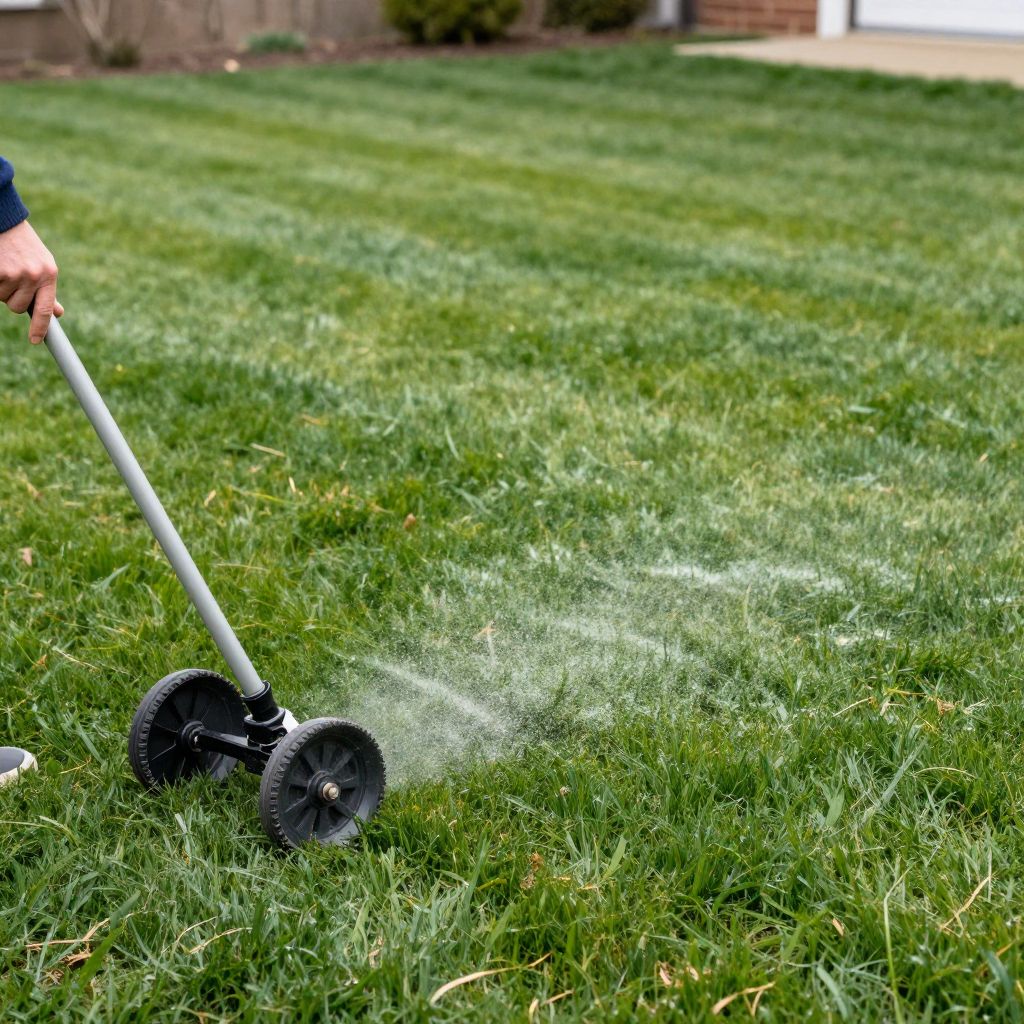
What does fertilizer do for grass? In simple terms, it replaces or supplements the nutrients your lawn uses to grow, recover, and stay green. The right fertilizer can improve color, density, root growth, and resilience, but it does not fix every lawn problem.
If your grass looks thin, pale, or slow to bounce back after mowing or heat, fertilizer may help—but only when soil, watering, mowing, and sunlight are also in decent shape. The best results come from feeding the lawn for its actual needs, not just adding more product.
What does fertilizer do for grass?
Fertilizer supplies essential nutrients—mainly nitrogen, phosphorus, and potassium—that grass uses to make leaves, build roots, and tolerate stress. It can deepen green color, thicken turf, and support recovery after mowing or wear, but it works best when your lawn already has enough water, sunlight, and healthy soil structure.
How fertilizer helps a lawn grow
Grass is a heavy feeder because it is constantly producing new blades and recovering from mowing. Fertilizer gives it the raw materials for that growth.
Nitrogen: the main greening nutrient
Nitrogen is usually the nutrient lawns need most. It promotes leafy growth and rich green color, which is why many lawn fertilizers are higher in nitrogen than in the other nutrients.
Too little nitrogen often shows up as a pale, yellow-green lawn with slow growth. Too much can cause fast, weak growth that needs more mowing and may be more prone to disease or drought stress.
Phosphorus: root development and establishment
Phosphorus supports root growth and early establishment, especially in new lawns or reseeded areas. In many established lawns, soil already contains enough phosphorus, so adding more is not always helpful and may be restricted in some areas.
Potassium: stress tolerance
Potassium helps grass handle heat, cold, drought, and general wear. It does not make grass “greener” the way nitrogen does, but it can improve overall toughness and recovery.
When fertilizer helps most
Fertilizer is most useful when grass is actively growing and can actually use the nutrients. That usually means cool-season grasses in spring and fall, and warm-season grasses during their active summer growth period.
- New lawns: Helps seedlings or sod establish roots.
- Thin lawns: Can support thicker growth if mowing and watering are also correct.
- After stress: Useful after moderate wear, recovery from mowing, or seasonal decline.
- Low-fertility soil: Especially helpful if a soil test shows nutrient shortages.
Fertilizer is less helpful when grass is dormant, severely drought-stressed, waterlogged, compacted, or growing in deep shade. In those cases, the underlying problem needs attention first.
Signs your grass may need fertilizer
Not every yellow lawn needs feeding. Some symptoms point to nutrient shortage, while others point to watering, mowing, or soil problems.
Common signs of nutrient deficiency
- Overall pale green or yellow-green color
- Slow growth during the active season
- Thin turf with poor spread or recovery
- Older leaves yellowing first, especially with nitrogen shortage
Problems that can look like fertilizer deficiency
- Irregular brown patches from drought or pet damage
- Compacted soil that limits roots and airflow
- Shade from trees or buildings
- Overwatering or poor drainage
- Insects or disease
- Scalping from mowing too short
If your lawn has patchy damage rather than a uniform pale color, fertilizer alone is unlikely to solve it.
How to choose the right lawn fertilizer
Look at the label, not just the brand name. The three numbers on the bag show the percentage of nitrogen, phosphorus, and potassium, in that order.
What the numbers mean
- First number: Nitrogen for green growth
- Second number: Phosphorus for roots and establishment
- Third number: Potassium for stress tolerance
For established lawns, many gardeners choose a fertilizer with moderate to high nitrogen and little or no phosphorus unless a soil test or new lawn situation calls for it. For newly seeded areas, a starter fertilizer may be appropriate if local rules allow it.
Slow-release vs. quick-release
Slow-release fertilizer feeds the lawn gradually, which helps reduce surge growth and lowers the risk of burn. It is often a good choice for home lawns.
Quick-release fertilizer works faster, but it can also push rapid top growth and may be easier to overapply. It is best used carefully and only when the label and conditions support it.
How to apply fertilizer to grass correctly
Good application matters as much as the product itself. Uneven spreading can create streaks, patchy color, or burned areas.
- Read the label. Follow the product instructions for your grass type and lawn size.
- Measure the area. Estimate square footage so you do not guess at coverage.
- Use a spreader. A broadcast or drop spreader gives more even results than hand scattering.
- Apply evenly. Walk at a steady pace and overlap slightly to avoid missed strips.
- Water in if needed. Many fertilizers perform better when watered in lightly, but follow the label and avoid runoff.
- Clean up spills. Sweep fertilizer off sidewalks and driveways so it does not wash into drains.
If you are using a liquid fertilizer, spray evenly on calm days and avoid treating heat-stressed grass in strong sun unless the label specifically says it is safe.
How often should you fertilize grass?
There is no single schedule that fits every lawn. Frequency depends on grass type, climate, soil fertility, rainfall, mowing height, and how intensively you want the lawn to perform.
As a general rule, actively growing lawns benefit from periodic feeding rather than constant fertilizing. Many home lawns do well with a few applications during the growing season, while others need less because the soil is naturally fertile or the lawn is low-input.
A soil test is the best way to avoid overfeeding and to learn whether your lawn really needs phosphorus, potassium, lime, or other amendments.
Best practices by season
Timing matters because grass uses nutrients differently through the year. Fertilizing when the lawn is actively growing gives you better results and less waste.
Spring
Spring feeding can help lawns recover from winter and start strong, but avoid pushing excessive top growth too early. In many regions, a light to moderate application is enough unless a soil test suggests otherwise.
Summer
Warm-season grasses often grow best in summer and can use fertilizer efficiently then. Cool-season grasses may slow down in hot weather, so heavy feeding during heat can increase stress.
Fall
Fall is often an excellent time to fertilize cool-season lawns because roots are active and temperatures are milder. This can improve density and help the lawn store energy for winter.
Winter or dormancy
Do not fertilize dormant grass unless your local guidance specifically recommends it. Nutrients may not be used effectively and can be lost to runoff or leaching.
Common mistakes to avoid
- Overfertilizing: More is not better and can burn grass or cause weak, excessive growth.
- Fertilizing drought-stressed turf: Dry, stressed grass may not absorb nutrients well.
- Ignoring soil problems: Compaction, poor drainage, and shade will limit results.
- Using the wrong product: New seed, established turf, and problem soils may need different formulas.
- Skipping calibration: An uncalibrated spreader can apply too much or too little.
- Fertilizing before heavy rain: This can wash nutrients away before roots can use them.
How to tell if you are feeding the lawn too much
Excess fertilizer often shows up as very fast growth, frequent mowing, dark green but soft blades, or burned patches where the application was heavy. You may also notice more thatch or a higher need for water.
If you suspect overapplication, water the area lightly to help move nutrients into the root zone, then pause further feeding until the lawn recovers. For severe burn, remove excess granules if possible and irrigate carefully according to local conditions.
Fertilizer, compost, and soil health
Fertilizer is useful, but it is not the whole story. Healthy soil helps grass use nutrients efficiently, which means less waste and better long-term results.
Compost can improve soil structure, water retention, and microbial activity, especially in poor or compacted soil. A thin topdressing of screened compost can support lawn health, but it is not a substitute for proper mowing, watering, or a balanced fertility plan.
If your lawn drains poorly or feels hard underfoot, aeration, topdressing, and reducing compaction may improve fertilizer response more than adding extra nutrients.
Troubleshooting a lawn that still looks bad after fertilizing
If fertilizer did not improve the lawn, the problem may be something else. Use the symptoms to narrow it down.
Thin grass with bare spots
Check for poor seed germination, heavy shade, compaction, insects, or disease. Overseeding and improving site conditions may be needed.
Yellow grass with wet soil
Overwatering, poor drainage, or root stress may be the issue. Reduce watering frequency and improve drainage before feeding again.
Brown patches after feeding
This may be fertilizer burn, especially if the lawn was dry or the application was uneven. Water lightly and follow the label carefully next time.
Fast growth but weak turf
You may be applying too much nitrogen or mowing too short. Raise the mowing height and reduce fertilizer strength or frequency.
Practical lawn care that makes fertilizer work better
- Mow at the recommended height for your grass type.
- Keep mower blades sharp for clean cuts.
- Water deeply but not constantly, unless your climate or soil requires otherwise.
- Test soil every few years to guide feeding.
- Improve shade, compaction, and drainage where possible.
When these basics are in place, fertilizer does a much better job because the grass can actually use the nutrients you apply.
Conclusion
So, what does fertilizer do for grass? It feeds the lawn the nutrients it needs to grow greener, denser, and stronger, but only when applied at the right time and in the right amount. For the best results, match the fertilizer to your grass, your season, and your soil conditions.
Next, take a close look at your lawn’s color, growth, and soil moisture, then decide whether it needs fertilizer, better watering, or a soil test before you feed it again. If you want to keep improving your lawn care routine, look for related guidance on soil testing for lawns and how to mow grass properly.