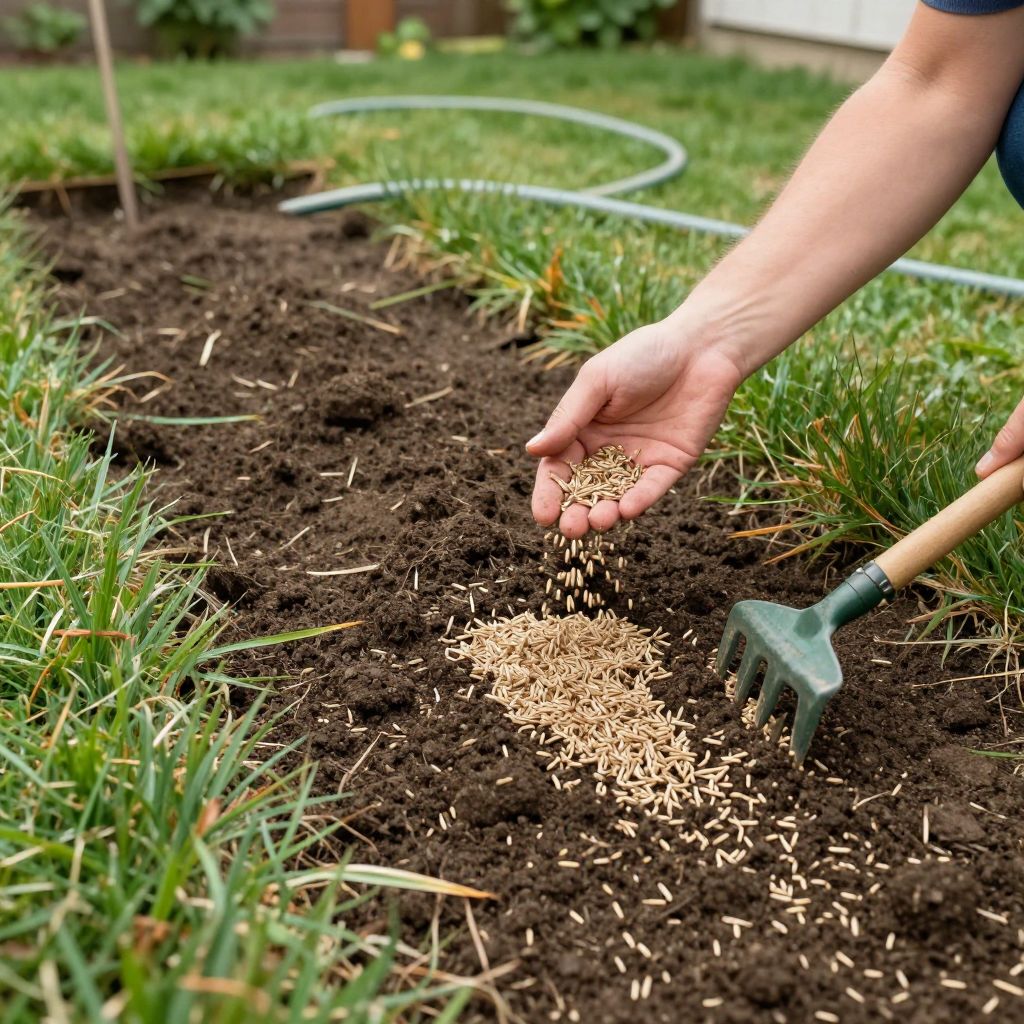
Wondering when should you plant grass seed so it actually germinates and fills in well? Timing matters more than most gardeners realize. Seed needs the right soil temperature, moisture, and light to get established before heat, cold, weeds, or drought slow it down.
The best planting window depends on your grass type and climate, but for many lawns, early fall is ideal. Spring can work too, especially for warm-season grasses or if you missed the fall window, but success depends on choosing the right season and preparing the soil properly.
When should you plant grass seed?
In most climates, early fall is the best time to plant cool-season grass seed because warm soil helps germination and cooler air reduces stress on seedlings. For warm-season grasses, seed in late spring to early summer when soil is consistently warm and frost is no longer a risk. Local weather matters more than the calendar.
Choose the right season for your grass type
Cool-season grasses
Cool-season grasses such as Kentucky bluegrass, perennial ryegrass, tall fescue, and fine fescues usually establish best in late summer to early fall. Soil is still warm enough for germination, but weeds slow down and cooler nights help seedlings root in.
If you plant in spring, these grasses may sprout, but summer heat can stress young plants before they are fully established. That often means more watering, more weed pressure, and thinner results.
Warm-season grasses
Warm-season grasses, including bermudagrass, zoysia, centipedegrass, and bahiagrass, prefer late spring through early summer. They germinate and grow best when soil temperatures are warm and frost has passed.
Planting warm-season grass seed too early can lead to slow germination, poor emergence, or seed rot in cool, wet soil.
How to adapt to your climate
If you are unsure about your region, use soil temperature and seasonal patterns rather than a fixed date. A simple soil thermometer can help you check whether conditions are right.
- Cool-season seed: aim for soil around 50–65°F, with mild weather ahead.
- Warm-season seed: aim for soil around 65–75°F or warmer, with no frost expected.
- Choose a stretch of weather that gives seedlings several weeks of steady moisture and moderate temperatures.
Why timing affects germination and lawn success
Grass seed needs consistent moisture, oxygen, and the right temperature to sprout. If the soil is too cold, germination slows. If it is too hot, seedlings dry out quickly and may fail before roots develop.
Weed competition is another reason timing matters. When you seed at the right season, your grass has a better chance to establish before aggressive weeds take over bare soil.
How to prepare the site before planting
Good seed timing helps, but soil preparation often determines whether the lawn fills in evenly. Grass seed needs firm contact with loose, clean topsoil or amended soil to germinate well.
- Clear the area. Remove rocks, sticks, dead grass, and thick weeds.
- Loosen the top layer. Rake or lightly till the top 1 to 2 inches of soil.
- Improve poor soil. Mix in compost if the soil is very compacted or low in organic matter.
- Level low spots. Fill dips so water does not pool and drown seed.
- Test drainage. If water sits for hours after rain, fix drainage before seeding.
Grass seed does best in soil that drains well but still holds some moisture. Heavy clay may need compost and aeration, while sandy soil may need organic matter to retain water.
How to plant grass seed correctly
Step-by-step seeding guide
- Measure the area. Know how much seed you need before you start.
- Choose the right seed mix. Match the grass type to sun, shade, traffic, and climate.
- Spread seed evenly. Use a broadcast or drop spreader for large spaces; hand-seed small patches carefully.
- Lightly rake. Work seed into the top 1/8 to 1/4 inch of soil.
- Press seed into contact. Use a lawn roller or gently walk over the area.
- Mulch lightly if needed. A thin layer of clean straw or erosion-control mulch can help hold moisture.
Do not bury grass seed deeply. Most lawn seed germinates best when it is near the surface, not several inches down.
Sunlight and shade considerations
Most lawn grasses need at least several hours of sun each day, though some fine fescues tolerate partial shade better than others. Deep shade, dense tree roots, and dry soil make lawn establishment harder.
If the area receives very little light, consider whether grass is the right choice there. In some spots, a shade-tolerant groundcover or mulch bed may perform better than thin turf.
Watering after planting grass seed
New seed must stay consistently moist until it germinates. The surface should never dry out completely, but it also should not stay soggy.
- Before germination: water lightly and often enough to keep the top layer damp.
- After sprouts appear: shift to deeper, less frequent watering so roots grow downward.
- Once established: water as needed for your climate, soil type, and rainfall.
In windy or hot conditions, you may need to water more than once a day for a short period. In cooler, cloudy weather, less frequent watering may be enough. Always adjust based on how fast the surface dries.
Common mistakes to avoid
Planting at the wrong time
Seeding cool-season grass in late spring or warm-season grass in cool weather often leads to poor results. The seed may still sprout, but the seedlings are less likely to survive stress.
Using too much or too little seed
Too much seed can create overcrowding, weak seedlings, and disease pressure. Too little seed leaves bare patches that weeds quickly fill. Follow the seed label for the specific grass type and use the correct setting on your spreader.
Ignoring soil contact
Seed lying on top of loose debris dries out quickly or gets eaten by birds. Seed that is pressed lightly into soil has a much better chance of germinating evenly.
Letting the surface dry out
One dry spell during germination can ruin patchy areas. If the top inch of soil dries repeatedly, expect uneven emergence.
Applying weed control too soon
Some herbicides can interfere with seed germination. If you plan to use weed control, check the product label carefully and make sure it is safe for newly seeded lawns.
How long grass seed takes to sprout
Germination time varies by grass type, soil temperature, and moisture. Some grasses sprout in about a week, while others take several weeks or longer.
- Perennial ryegrass: often one of the fastest to germinate.
- Tall fescue: usually moderate in speed.
- Kentucky bluegrass: often slower to emerge.
- Warm-season grasses: timing varies widely by species and temperature.
Do not assume seed has failed just because it is slow. Check soil moisture first, then give it more time if conditions are suitable.
Aftercare for new grass
Once the lawn starts filling in, the goal is to help roots deepen and the turf thicken. Avoid heavy foot traffic until the grass is well rooted.
- Mow only when the new grass reaches the recommended height for that grass type.
- Use a sharp mower blade so young grass is not torn.
- Do not cut too short; removing too much leaf area weakens seedlings.
- Keep an eye out for birds, washouts, crusting soil, or bare spots.
If some areas fail to germinate, lightly scratch the soil surface and overseed those spots rather than starting over from scratch.
When to overseed, patch, or start over
Small bare areas can usually be patched with fresh seed and a little topsoil or compost. Overseeding works well for thinning lawns that still have some existing grass.
If the lawn has major drainage problems, severe compaction, heavy shade, or persistent weed invasion, it may be better to fix those issues first. Otherwise, new seed will struggle no matter when you plant it.
Quick guide: best timing by situation
- Cool-season lawn renovation: early fall is usually best.
- Cool-season patching: early fall, or spring if necessary and weather is mild.
- Warm-season lawn seeding: late spring to early summer.
- Shady or dry areas: choose a grass type suited to the site before seeding.
- New construction or bare soil: seed when temperatures and rainfall support steady germination.
Conclusion
If you are asking when should you plant grass seed, the best answer is to match the seed to the season and your local conditions. Cool-season grasses usually do best in early fall, while warm-season grasses prefer late spring to early summer. Prepare the soil, keep it evenly moist, and avoid rushing the process.
For more lawn care help, you may also want to read about how to prepare soil for a new lawn and how to overseed a lawn for thicker grass.