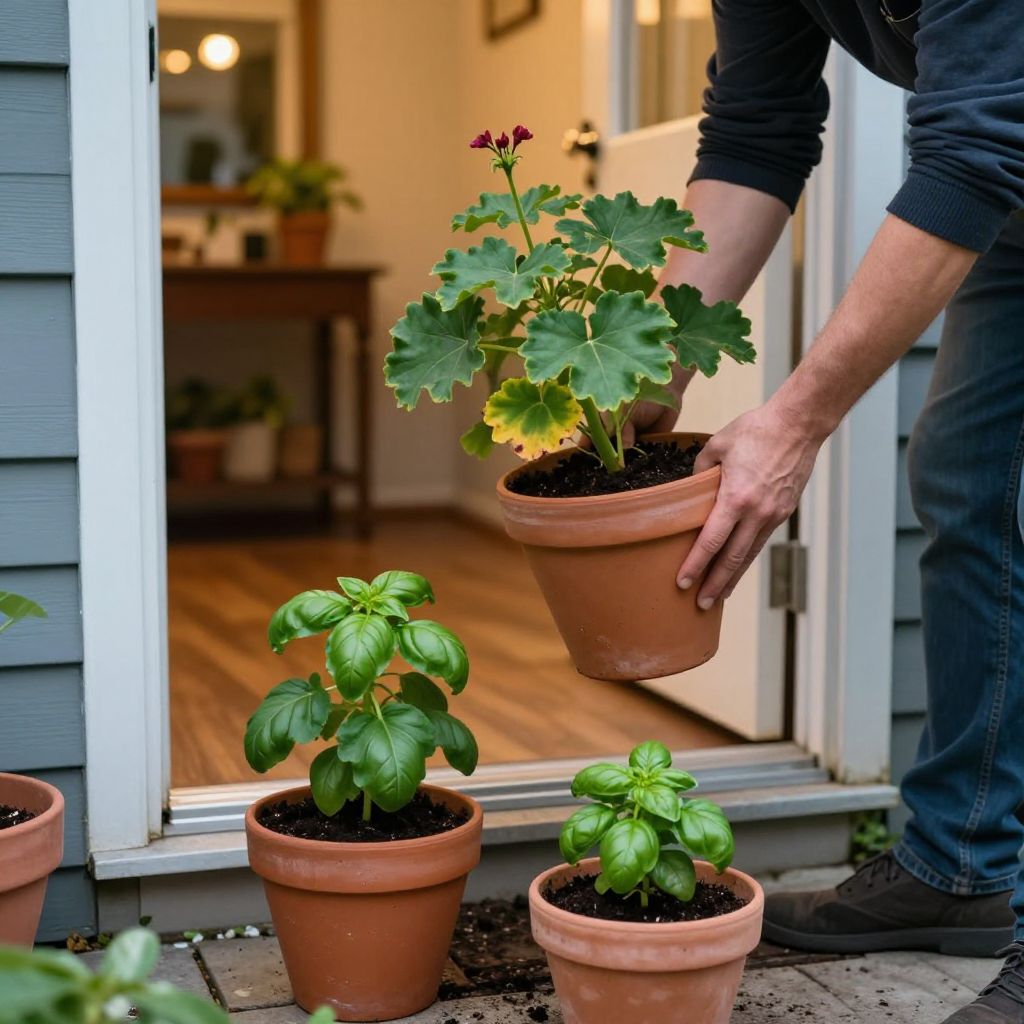
If you’re wondering when to bring plants inside, the safest answer is: before cold nights, frost, or sudden weather swings damage them. The exact timing depends on the plant, your climate, and whether the plant has been living outdoors all summer or is already adapted to indoor conditions.
Most tender houseplants, tropicals, and container plants should come in when nighttime temperatures start dropping consistently below the plant’s comfort zone. For many common plants, that means acting before the first frost rather than after it.
When To Bring Plants Inside?
Bring plants inside when night temperatures begin staying below about 50–55°F for tender tropicals, or before the first frost for frost-sensitive plants. Hardy plants can stay out longer, but container-grown roots are more exposed to cold than in-ground roots, so pots usually need protection earlier.
How to Tell It’s Time to Move Plants Indoors
The calendar is less reliable than the weather. Watch for nighttime lows, wind, and seasonal changes in light, because those are the cues that matter most to plants.
Use temperature, not just the date
Many plants begin to slow down when nights cool, even if daytime temperatures still feel pleasant. A sudden cold snap can stress foliage, roots, and stems, especially in pots.
- Bring tender tropicals inside before nights drop below 55°F if they dislike cool weather.
- Move frost-sensitive plants in before the first frost warning, not after damage appears.
- Keep an eye on potted plants first, since containers lose heat faster than garden soil.
Watch for early seasonal signals
Shorter days, cooler evenings, and slower growth often mean it’s time to start planning the move. If your plant is producing less new growth, drying out more slowly, or showing stress after nights outdoors, it may already be past its ideal outdoor window.
Know which plants need the earliest move
Some plants tolerate cool weather better than others. Tender herbs, tropical foliage plants, succulents that dislike cold wet soil, and many flowering container plants usually need to come in earlier than hardy perennials.
- Tender tropicals: move in before cool nights become routine.
- Herbs in pots: basil is especially cold-sensitive and should come in early or be harvested before temperatures fall.
- Houseplants summered outdoors: bring them in before nights turn chilly.
- Container vegetables: some can extend the season, but frost-sensitive crops need protection or harvest.
Why Container Plants Need Earlier Protection
Pots expose roots to air temperatures from all sides, so containers cool down much faster than garden beds. That means a plant in a pot may need to come inside even when the same plant in the ground could handle a little more cold.
Clay and small containers cool especially fast. Large pots, raised beds, and sheltered locations offer more buffering, but they still do not protect roots as well as soil in the ground.
How to Prepare Plants Before Bringing Them Inside
A smooth transition helps prevent shock, pest outbreaks, and leaf drop. A little preparation outdoors makes indoor care much easier.
- Inspect for pests on leaf undersides, stems, and soil surface.
- Check drainage so excess water can escape easily.
- Prune lightly if the plant is too large for the space indoors, but avoid heavy pruning right before a move.
- Rinse foliage with a gentle spray of water to remove dust and hitchhiking insects.
- Acclimate gradually if possible by moving plants to a shadier, more sheltered spot for several days first.
Look closely for pests
Outdoor plants often bring in aphids, spider mites, whiteflies, mealybugs, or scale. These pests can spread quickly indoors, where there are fewer natural predators.
Check leaf joints, the undersides of leaves, and the top layer of potting mix. If you see pests, treat them before the plant comes inside whenever possible.
Trim only what’s necessary
Remove dead, damaged, or diseased growth. If a plant is too large for your indoor space, reduce it a little rather than cutting it back hard all at once.
Heavy pruning can stress a plant right before the move, especially if light levels indoors will already be lower.
How to Move Plants Indoors Without Shock
Indoor conditions are usually drier, dimmer, and more stable than outdoor conditions. Plants often react to the change, so the goal is to reduce stress as much as possible.
Choose the right indoor location
Most plants do best near the brightest available window, but direct sun needs vary by species. South- or west-facing windows often provide the strongest light, while east-facing windows give gentler morning sun.
- Keep plants away from heating vents and radiators.
- Avoid cold drafts from doors and windows.
- Group plants together to help raise local humidity a little.
- Rotate pots every week or two so growth stays even.
Expect a short adjustment period
Some leaf drop or yellowing can happen after the move, especially on plants that were living in bright outdoor light. That does not always mean the plant is failing.
Watch new growth, stem firmness, and soil moisture more than a few older leaves. If the plant keeps declining after a couple of weeks, reassess light, watering, and pests.
Watering After Bringing Plants Inside
Most plants need less water indoors than they do outdoors because light and evaporation are lower. Overwatering is one of the most common mistakes after the move.
Before watering, check the top inch or two of soil. If it still feels moist, wait. If the pot feels unusually heavy, the roots may still have enough water.
Signs you may be watering too much
- Soil stays wet for many days
- Leaves yellow and drop
- Stems feel soft or weak
- Mold or fungus gnats appear on the soil surface
Signs the plant needs more water
- Leaves wilt or curl
- Pot feels very light
- Soil pulls away from the pot sides
- New growth looks limp or dull
Always water thoroughly, then let excess drain away. Never leave a pot sitting in water unless the plant specifically needs consistently moist conditions.
Light, Humidity, and Temperature Indoors
Many plants decline indoors because the environment changes more than the gardener expects. Light is usually the biggest challenge, followed by dry air and warm, fluctuating temperatures.
Light matters more than you think
Outdoor light is much stronger than window light, even in a bright room. If a plant was thriving outside in full sun, it may need the brightest indoor spot you have.
If natural light is limited, consider supplemental grow lights placed at an appropriate distance for the plant type. Keep the fixture on a consistent schedule rather than moving the plant from place to place.
Humidity can help, but don’t overdo it
Indoor air, especially in winter, can be dry. Some plants respond well to a humidity tray, grouping, or a room humidifier.
However, poor air circulation plus damp soil can encourage fungal problems. Balance humidity with good airflow and careful watering.
Common Mistakes to Avoid
Most problems after bringing plants inside come from rushing the transition or assuming indoor care should match outdoor care. A few simple mistakes are easy to avoid.
- Waiting for frost damage before moving tender plants.
- Skipping pest checks and bringing insects indoors.
- Overwatering because the plant “looks dry” on top.
- Placing plants in low light and expecting the same growth rate.
- Putting plants right next to heating vents or cold glass.
- Repotting, pruning hard, and moving indoors all at once.
What If You Can’t Bring Plants Inside Right Away?
If the weather turns faster than expected, you still have a few options. Temporary protection can buy time while you make room indoors or decide which plants are worth saving.
- Move pots close to a house wall for a little warmth and wind protection.
- Cover plants with frost cloth or a lightweight sheet overnight, keeping fabric off the foliage if possible.
- Raise containers off cold ground to reduce chilling from below.
- Harvest tender herbs and vegetables before a hard freeze.
These steps are short-term fixes, not a replacement for bringing truly tender plants inside. If a plant is not cold-hardy, prolonged exposure will still cause damage.
Seasonal Timing by Plant Type
Different plants need different timing, so it helps to think in categories rather than one universal date. Always adjust for your local frost dates and microclimate.
Tropical houseplants summered outdoors
Bring them in when nights turn cool, even if days are still warm. These plants often prefer stable indoor temperatures over repeated cold exposure.
Herbs and edible containers
Basil, lemon verbena, and other tender herbs should come in early or be harvested before cold weather. Some cool-season herbs can tolerate more chill, but potted roots still need protection sooner than in-ground plants.
Succulents and cacti
Many succulents tolerate cooler temperatures than tropicals, but cold, damp soil is risky. Bring them inside before cold rain and chilly nights combine, especially if the potting mix drains slowly.
Flowering annuals
Some annuals are best treated as seasonal outdoor plants rather than indoor keepers. If you want to overwinter them, move them in before frost and give them strong light.
Conclusion: Make the Move Before Stress Starts
The best time to bring plants inside is before cold weather damages them, not after. Watch nighttime temperatures, know your plant’s cold tolerance, and prepare the plant for the move with a pest check, light pruning, and a careful transition.
If you want to keep a few edible plants going indoors too, you may also enjoy reading about growing strawberries indoors.