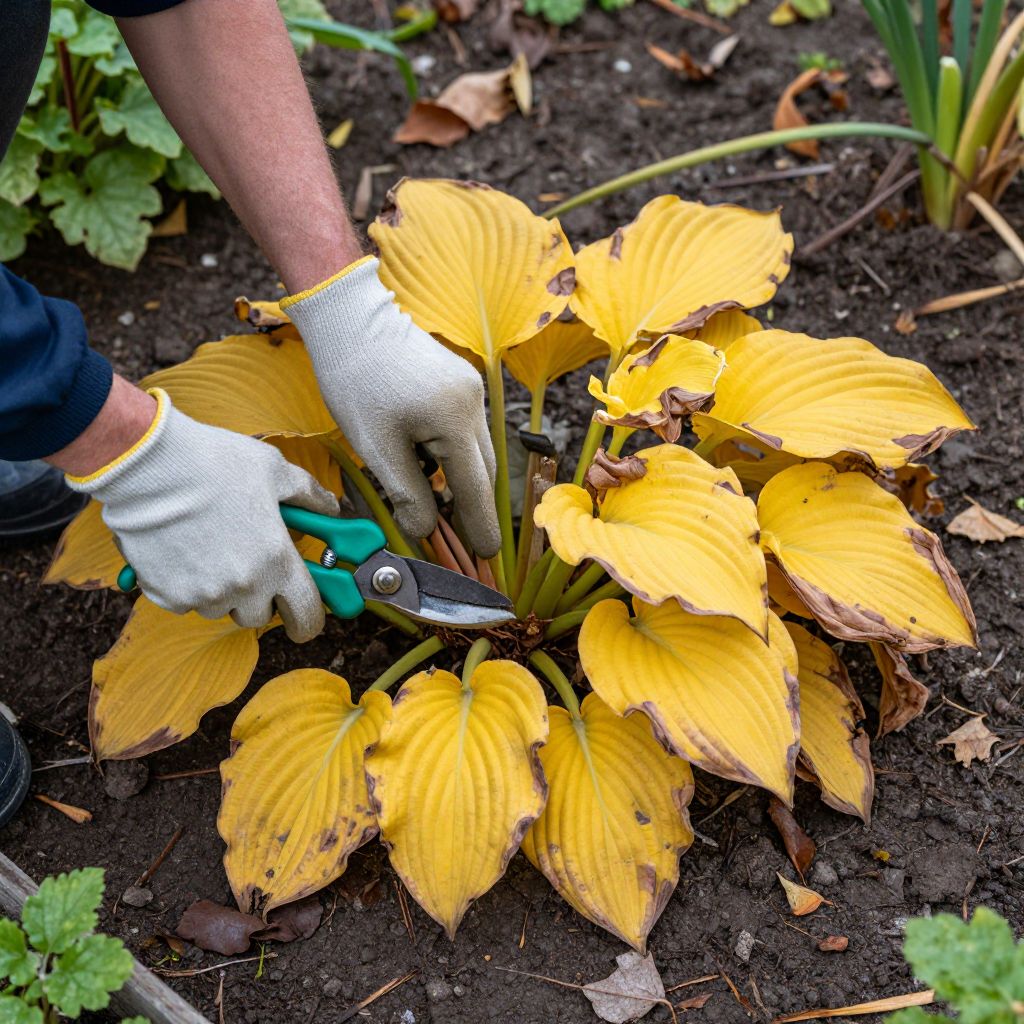
If you’re wondering when to cut back hostas, the short answer is: wait until the foliage has died back naturally in fall, or cut them back after the first hard frost if you prefer a tidier bed. In most gardens, hostas are best left alone while their leaves are still green and feeding the roots.
The exact timing depends on your climate and how your plants look at the end of the season. Cutting too early can reduce next year’s vigor, while cutting at the right time helps prevent slugs, disease carryover, and a messy winter cleanup.
When to cut back hostas?
Cut hostas back after the leaves yellow, collapse, or are blackened by frost, usually in late fall. If you want a cleaner garden, remove spent foliage once it’s fully dormant; if the leaves are still healthy, let them stand until natural dieback. The roots use that late-season energy to store food for spring growth.
Why timing matters for hosta care
Hostas are herbaceous perennials, which means the top growth dies back each year while the crown and roots survive underground. Healthy leaves keep photosynthesizing until frost or natural decline, so cutting them too soon can rob the plant of stored energy.
Waiting also helps you read the plant correctly. A hosta that is browning from age or weather is normal; a hosta that is collapsing early from disease, drought, or pest damage may need different attention.
What happens if you cut hostas back too early?
- The plant may have less energy stored for spring regrowth.
- Newer crowns can be more exposed to temperature swings.
- You may miss signs of slug damage, crown rot, or foliar disease.
What happens if you leave them too long?
- Wet, decaying leaves can harbor slugs and fungal issues.
- The bed may look untidy through winter.
- Flattened foliage can make spring cleanup harder.
Best seasonal timing for cutting back hostas
Fall: the usual time
In most climates, late fall is the best time to cut back hostas, after the leaves have turned yellow or brown and the plant has gone dormant. A light frost often speeds this process, but you do not need to rush the job the moment temperatures dip.
If your hostas still look strong in early fall, leave them standing. Healthy leaves are still supporting the roots until cold weather finishes the job.
After the first hard frost
Many gardeners wait for a hard frost because it naturally ends the growing season. Once the leaves collapse or blacken, you can cut them to the ground. This is a practical choice if you want a neat bed and want to reduce overwintering pests.
Spring cleanup is also possible
If you prefer a more natural winter look, you can leave hosta foliage in place through winter and cut it back in early spring before new shoots emerge. This works well in colder regions where the dead leaves help you locate the crown and protect the bed slightly.
Important: Don’t wait so long in spring that the new spears are already pushing through the old leaves. Cleanup is easiest before growth starts.
How to cut back hostas correctly
Cutting back hostas is simple, but a clean cut helps keep the bed healthy and tidy. Use sharp pruners, garden shears, or even a sturdy knife for smaller clumps.
- Wait until the foliage is yellow, brown, or frost-damaged.
- Gather the leaves and stems together if they’re floppy.
- Cut stems down to about 1 to 2 inches above the soil line.
- Remove all dead foliage from the bed.
- Discard diseased leaves rather than composting them if you suspect infection.
You do not need to cut into the crown itself. The growing point sits at or just below the soil surface, so keep your cuts shallow and careful.
Tools that make the job easier
- Bypass pruners for smaller clumps or precise cuts
- Hedge shears for large plantings
- Gloves to protect your hands from rough edges and damp debris
- Rake or garden fork for lifting away loose leaves
How to tell when a hosta is ready to cut back
Look for signs of natural dormancy rather than just the calendar. Hostas usually tell you when they’re done for the season.
- Leaves turn yellow, tan, or brown.
- Foliage softens and flops to the ground.
- Repeated frost has blackened the leaves.
- New growth has completely stopped.
If only the edges are a little tired but the center is still green, you can usually wait. In mild climates, hostas may stay attractive longer into autumn, so local conditions matter more than a fixed date.
Should you cut back hostas in summer?
Usually, no. Healthy hostas should not be cut back in summer just because they look full or because you want to neaten the bed. The leaves are the plant’s energy factory, and removing them during active growth can weaken the crown.
There are a few exceptions. You may remove individual damaged leaves if they are badly torn, diseased, or badly infested with slugs. Even then, take only what you need and leave the rest of the plant intact.
When summer removal makes sense
- Leaves are badly damaged by hail or wind.
- You see clear disease spots spreading across the foliage.
- Slugs have ruined a few leaves and you want to improve airflow.
- You’re cleaning up after a storm or heavy foot traffic.
Common mistakes to avoid
Most hosta pruning mistakes come from cutting at the wrong time or being too aggressive. A little restraint goes a long way.
- Cutting while leaves are still green and actively feeding the roots.
- Leaving soggy debris around the crown, which can invite rot and pests.
- Using dull tools that tear stems instead of making clean cuts.
- Composting diseased foliage when it should be discarded.
- Cutting into the crown and injuring next year’s growth buds.
What to do after cutting back hostas
Once the foliage is removed, a little cleanup and soil care can help the plant settle in for winter. Hostas are not heavy feeders at this stage, so focus on protection and cleanliness rather than pushing new growth.
Simple post-cutback care
- Remove all dead leaves from the bed.
- Check for slug hiding spots under mulch or debris.
- Add a light layer of mulch if your climate has freeze-thaw cycles.
- Keep the crown visible enough that it won’t stay buried in wet mulch.
If your soil tends to stay wet, avoid piling mulch directly against the crown. Hostas like moisture, but they do not like sitting in soggy conditions through winter.
Growing conditions that affect hosta cleanup
Hostas are adaptable, but their growing conditions influence how quickly they decline in fall and how much cleanup they need. Plants in deep shade may hold foliage longer, while those in more sun may scorch or fade earlier.
Light
Most hostas prefer partial shade to shade, though some tolerate more morning sun. In brighter sites, leaves may brown earlier in summer or fall, which can make cutback timing seem earlier than usual. That doesn’t always mean the plant is unhealthy.
Soil and drainage
Hostas grow best in rich, well-drained soil that holds moisture without staying waterlogged. Good drainage matters even more in fall and winter, when wet crowns are more vulnerable to rot.
Watering
Keep hostas evenly moist during the growing season, especially in dry weather. As autumn arrives, reduce watering naturally with the weather, but do not let newly planted hostas dry out completely before dormancy.
Pests and diseases to watch for before cutback
Fall cleanup is a good time to inspect hostas for problems. Removing damaged foliage can reduce overwintering issues, but it will not fix an underlying pest or soil problem.
Slugs and snails
These are among the most common hosta pests. They chew holes in leaves and hide in debris, mulch, and damp corners. Cutting back spent foliage and cleaning the area can reduce shelter, but you may also need to monitor in spring.
Leaf spots and fungal issues
Spots, streaks, and collapsing leaves can point to fungal disease or environmental stress. If the foliage looks suspicious, remove it from the garden rather than composting it, especially if your compost pile does not get hot enough to break down disease organisms reliably.
Crown rot
Soft, mushy crowns and foul-smelling tissue are warning signs of rot. Improving drainage and avoiding heavy winter mulch against the crown are more important than pruning alone.
Can you divide hostas when you cut them back?
Cutback and division are related, but they are not the same job. You can divide hostas in early spring or early fall in many climates, but it’s usually better to divide when the plant is actively growing or just entering dormancy, not during the deepest cold.
If you’re already cleaning up in fall and notice a crowded clump, make a note to divide it at the right season for your region. A healthy division should include several growth points and plenty of roots.
Quick seasonal guide
- Spring: Remove old dead foliage before new shoots emerge if you skipped fall cleanup.
- Summer: Only remove damaged or diseased leaves as needed.
- Fall: Cut back after yellowing, collapse, or frost.
- Winter: Leave plants alone if you prefer, then clean up before spring growth starts.
Conclusion
The best time for when to cut back hostas is after the foliage has naturally died back in fall, or in early spring if you prefer to leave winter interest and cleanup for later. Watch your local weather, wait for dormancy, and cut the leaves down close to the soil without disturbing the crown.
If you want to plan the rest of your shade garden, consider reading more about mulch, spring cleanup, and dividing perennials at the right time for your climate.