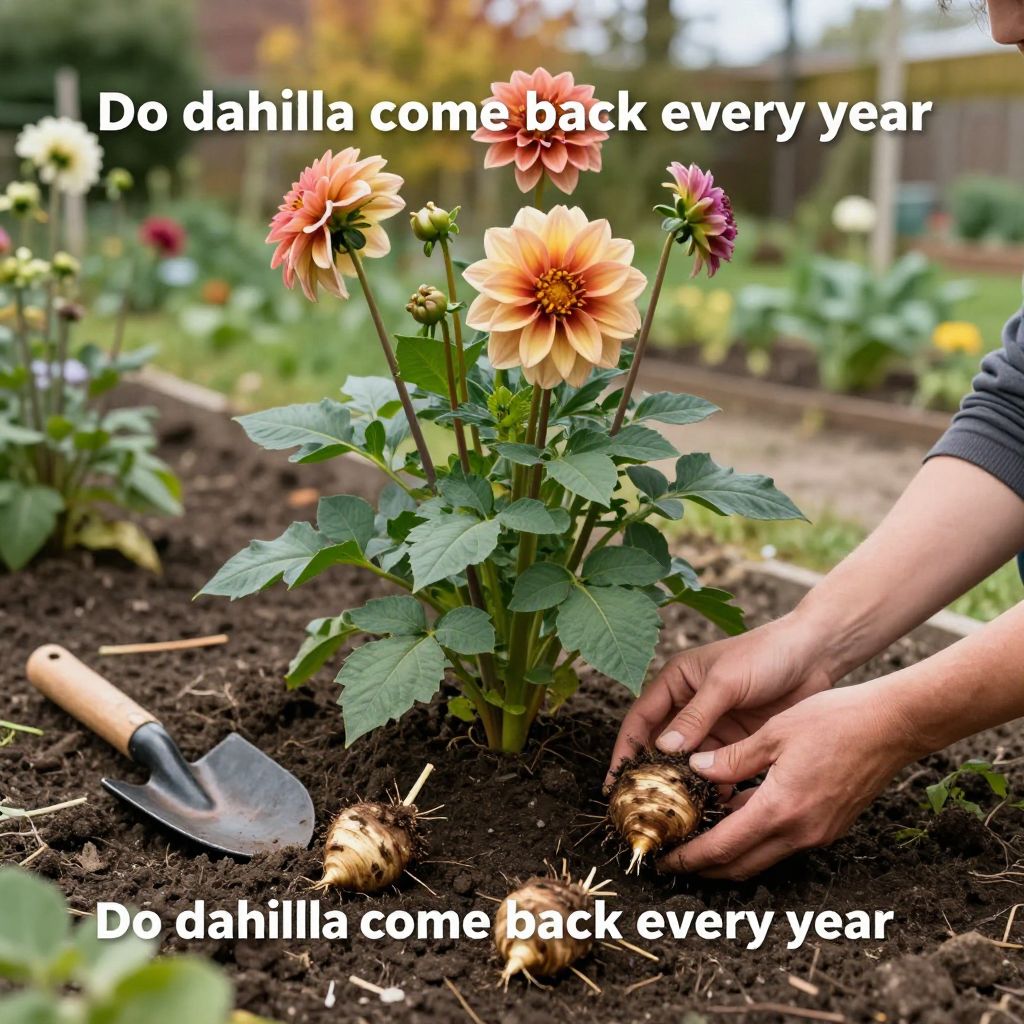
Do dahlias come back every year? The short answer is: often yes, but not always on their own. Dahlias are tender perennials, which means they can return from their tuberous roots in mild climates, but they are usually treated as seasonal flowers in colder regions.
If you want dahlias to reappear year after year, the key is protecting the tubers from frost, rot, and poor storage. With the right site and a little off-season care, you can keep the same plants going for many seasons.
Do dahlias come back every year?
Yes, dahlias can come back every year if their tubers survive winter. In frost-free or very mild areas, they may stay in the ground and resprout in spring. In colder climates, the top growth dies back and the tubers usually need to be lifted and stored indoors before freezing weather arrives.
What makes dahlias return or fail?
Dahlias grow from fleshy underground tubers, not true bulbs. Those tubers store energy for the next season, but they are vulnerable to cold, excess moisture, and decay.
Conditions that help dahlias overwinter successfully
- Mild winter temperatures with little or no hard frost
- Well-drained soil that does not stay soggy
- A planting spot that is not exposed to standing water
- Healthy tubers with at least one viable “eye” or growth point
- Proper lifting and storage in colder regions
Common reasons dahlias do not return
- Frozen tubers in the ground
- Rot from wet winter soil
- Damage while digging or dividing
- Storage that is too dry, too damp, too warm, or too cold
- Weak tubers that never formed well during the growing season
Can you leave dahlias in the ground over winter?
Sometimes, but it depends on your climate and soil. In regions with hard freezes, dahlias generally need to be dug up. In warmer areas, they may overwinter in place if drainage is excellent and the soil does not freeze deeply.
When in-ground overwintering is more likely to work
- Your winters are mild and short
- The planting bed drains quickly after rain
- You mulch lightly only after the soil cools, not while it is still warm and wet
- You are growing in a protected spot, such as near a wall or in a sheltered border
When to dig them up
If your area gets repeated freezes, snow cover that comes and goes, or winter rain that leaves the bed wet, it is safer to lift the tubers. Dahlias are far more likely to rot in cold, saturated soil than to survive it.
How to overwinter dahlia tubers
Digging and storing dahlias is the most reliable way to get them back next year in colder climates. The process is simple, but timing and handling matter.
- Wait until after the first frost has blackened the foliage, or until growth slows naturally in autumn.
- Cut stems back to about 4 to 6 inches above the crown.
- Carefully loosen the soil with a fork or spade, keeping some distance from the clump so you do not spear the tubers.
- Lift the whole clump and let excess soil fall away.
- Allow the tubers to dry in a sheltered, airy place for a day or two if the weather is dry.
- Store them in a breathable container with slightly damp material such as peat-free compost, vermiculite, or wood shavings, depending on your preferred method and local conditions.
Storage conditions that usually work best
- Cool, but above freezing
- Dark or low light
- Good air circulation
- Moderate humidity, not bone-dry and not wet
Check stored tubers every few weeks. Remove any that are soft, moldy, or shriveled beyond recovery, and make sure the storage medium is not turning soggy.
How to plant dahlias so they come back stronger
Strong tubers are more likely to survive winter, so good growing conditions during the season matter. Dahlias need plenty of sun, fertile soil, and consistent moisture without waterlogging.
Best site and soil
- Sunlight: Full sun is best in most gardens, though very hot climates may benefit from light afternoon shade.
- Soil: Rich, loose, and well-drained soil helps tubers form and reduces rot.
- Organic matter: Compost improves structure and moisture balance.
Avoid heavy clay that stays wet unless you have improved drainage. Raised beds or mounded planting areas can help where soil remains damp.
Planting tips that support tuber survival
- Plant only when soil has warmed and frost risk has passed in your area.
- Set tubers at the correct depth, usually a few inches below the soil surface, with the crown positioned to avoid drying out.
- Do not water heavily until growth starts, unless the soil is very dry. Excess moisture before roots form can cause rot.
- Stake taller varieties early so stems do not break in wind.
Seasonal care that helps dahlias return
Dahlias are easier to keep year after year when they grow vigorously during the season. Healthy, well-fed plants are more likely to produce plump tubers that store well.
Watering
Water deeply when the top layer of soil begins to dry, especially during hot weather. The goal is steady moisture, not constantly wet soil. Container-grown dahlias dry out faster than those in the ground and need closer attention.
Feeding
Use compost to enrich the soil, and if you fertilize, choose a balanced approach rather than pushing excessive nitrogen. Too much nitrogen can produce lots of leaves but weaker tubers and fewer flowers.
Deadheading and pruning
- Remove spent flowers to encourage more blooms.
- Pinch young plants if you want bushier growth and more stems.
- Cut back damaged stems promptly to reduce disease entry points.
At the end of the season, let the plant mature naturally as long as possible before cutting it back. That helps the tubers store energy for next year.
Do potted dahlias come back every year?
Yes, but container dahlias need extra protection because pots expose tubers to colder temperatures than garden soil. In many climates, potted dahlias are best lifted and stored for winter rather than left outside in the container.
Container care for better overwintering
- Use a large pot with drainage holes.
- Choose a free-draining potting mix.
- Do not let the pot sit in a saucer of water.
- Before winter, either move the pot to a frost-free space or remove and store the tubers.
If you leave a container outside, remember that pots freeze faster than ground soil. Even hardy-looking tubers can be lost in a cold snap.
How to divide dahlia tubers
Division can help you multiply plants and improve storage, but only if each piece has a viable growth point. A tuber without an eye will not grow.
When to divide
Many gardeners divide in spring, when eyes are easier to see and the tubers are less likely to dry out. Others divide after lifting in autumn if they are experienced and can identify the eyes confidently.
Division basics
- Inspect the clump for firm tubers and visible eyes near the crown.
- Use a clean, sharp knife or pruning tool.
- Make sure each division has at least one eye and one healthy tuber attached to the crown.
- Discard any soft, rotten, or badly shriveled pieces.
Take your time here. Rushed division is one of the easiest ways to lose a valuable dahlia variety.
Common pests and diseases that affect return growth
Pests and disease do not usually stop dahlias from being perennials, but they can weaken the plant enough that tubers store poorly or fail to sprout well the following year.
Watch for these problems
- Slugs and snails: Often chew young shoots and leaves.
- Aphids: Cluster on soft growth and can spread disease.
- Powdery mildew: More common in crowded, dry-air conditions.
- Botrytis and rot: More likely in cool, wet weather or poor storage.
Practical prevention
- Give plants enough space for air circulation.
- Remove fallen leaves and old stems at season’s end.
- Water the soil, not the foliage, when possible.
- Inspect tubers before storing them.
Troubleshooting: why didn’t your dahlias come back?
If your dahlias did not return, start by checking whether the problem was winter injury, rot, or weak tubers. The cause often shows up in the condition of the stored roots or the planting site.
Use this quick diagnosis
- Soft and mushy tubers: Usually rot from too much moisture.
- Dry, shriveled tubers: Storage was too dry or too warm.
- No eyes and no shoots: The crown may have been damaged or the tuber was not viable.
- Healthy tubers but no growth in spring: Soil may still be too cold, or the planting depth and moisture were off.
If you are unsure whether a tuber is alive, wait a little longer in spring before discarding it. Some dahlias are slow to wake up, especially in cool soil.
Simple ways to improve next year’s results
Once you know the answer to “Do dahlias come back every year,” the next step is making them more reliable in your garden. A few habits make a big difference.
- Choose a sunny, well-drained site.
- Protect tubers from frost in cold climates.
- Avoid overwatering in spring and early storage.
- Lift and store tubers carefully before hard freezes.
- Label varieties so you know which plants performed best.
For more practical planting advice, you may also want to read related guides on how to plant dahlias and how to overwinter dahlia tubers so you can keep your plants thriving from one season to the next.