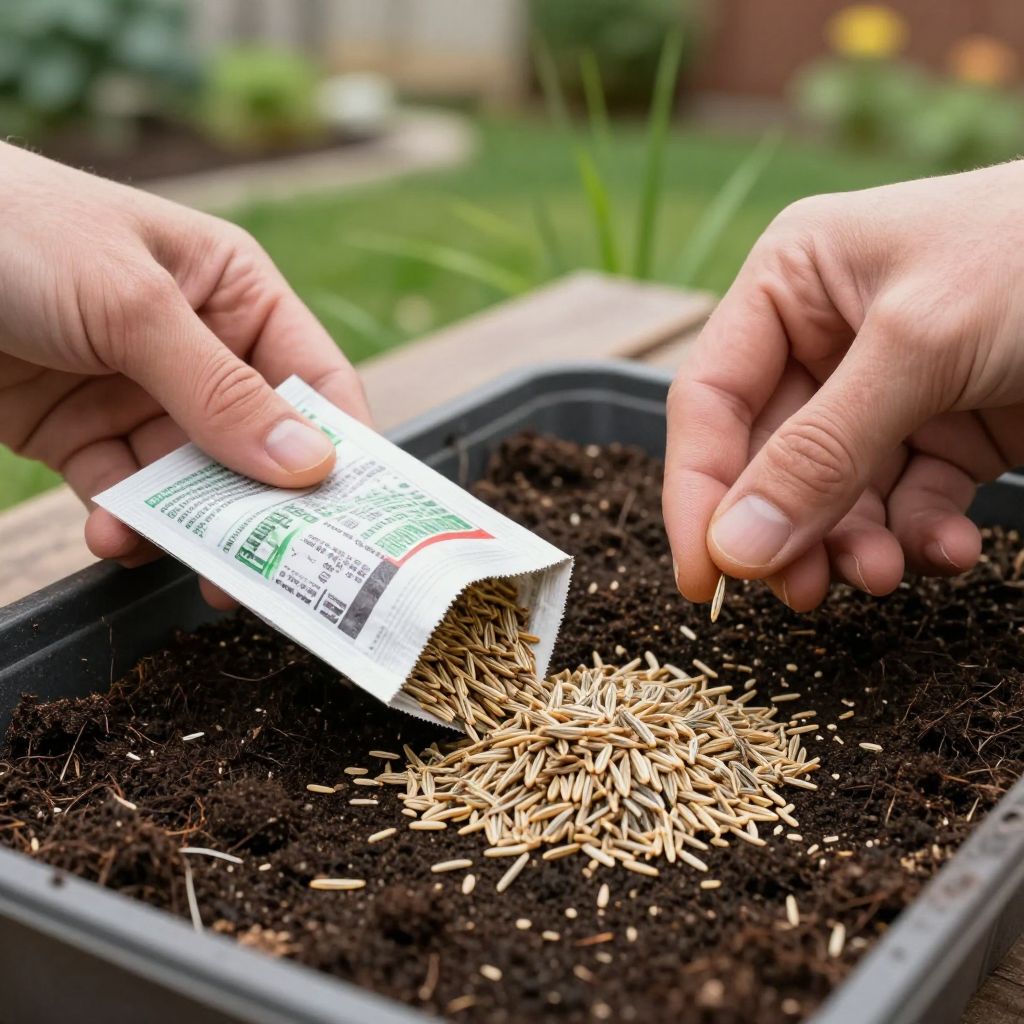
Does grass seed expire? Yes—grass seed can lose vigor over time, and old seed often germinates more slowly or unevenly. The good news is that seed doesn’t usually “go bad” overnight, so you may still be able to use it if it has been stored well.
The key is knowing how to judge seed age, storage conditions, and germination potential before you spread it. With a simple test and a few smart planting adjustments, you can avoid thin patches and wasted effort.
Does grass seed expire?
Grass seed does not expire like food, but it does lose germination ability as it ages. Fresh, dry, cool-stored seed may remain usable for several years, while seed kept in heat, humidity, or open bags can decline much faster. Always check the seed label date and test old seed before sowing.
How long does grass seed stay good?
There is no single shelf life for all grass seed because storage matters so much. In ideal conditions, many cool-season grass seeds can stay viable for a few years, while warm-season seed may also remain usable if kept dry and cool. Poor storage shortens life dramatically.
What affects seed longevity?
- Temperature: Heat speeds up seed aging.
- Moisture: Damp seed can mold, sprout in storage, or rot.
- Air exposure: Open bags absorb humidity and degrade faster.
- Seed type: Some species naturally hold viability longer than others.
- Age at purchase: Old stock may already have a lower germination rate.
Where seed storage makes the biggest difference
Seed stored in a garage, shed, or car trunk often declines faster because temperatures swing widely. A sealed container kept in a dry indoor space is usually much better. If you live in a humid climate, storage quality matters even more.
How to tell if old grass seed is still usable
If you’re unsure about old seed, don’t guess. A quick germination test gives you a realistic idea of whether the seed is worth planting and how much extra seed you may need to compensate for lower viability.
Simple paper towel germination test
- Count out 10 to 20 seeds.
- Place them on a damp paper towel.
- Fold the towel over the seeds and seal it in a plastic bag or container.
- Keep it in a warm indoor spot out of direct sun.
- Check after several days and again after about 1 to 2 weeks, depending on the grass type.
If most seeds sprout, the batch is still usable. If only a few germinate, the seed is aging out or was poorly stored.
How to interpret the result
- High sprouting rate: Good seed; plant normally.
- Moderate sprouting rate: Still usable, but sow more thickly.
- Poor sprouting rate: Replace the seed if possible.
Even if the seed sprouts, weak or uneven germination can still create thin turf. That matters if you’re seeding a new lawn or repairing bare spots where consistent coverage is important.
Signs grass seed may be too old or damaged
Before you plant, inspect the seed closely. You can often spot problems that suggest low viability or contamination.
- Musty, sour, or moldy smell
- Clumping from moisture exposure
- Visible mold or discoloration
- Broken, shriveled, or lightweight-looking seed
- Lots of debris, dust, or insect activity in the bag
Important: Seed that looks dirty is not always unusable, but moldy or damp seed is a bad sign. If the bag was wet at any point, germination may be poor even if the seed still looks intact.
Best practices for storing grass seed
If you want leftover seed to last, storage matters more than almost anything else. The goal is to keep seed cool, dry, and sealed from humidity and pests.
Storage tips that help seed last longer
- Keep seed in the original bag if it is resealable and intact.
- Transfer opened seed to an airtight container.
- Store it indoors in a cool, dry place.
- Avoid garages, sheds, attics, and damp basements if temperatures swing widely.
- Keep seed off concrete floors where moisture can wick upward.
- Label the container with the purchase date and grass type.
If you buy seed in bulk, divide it into smaller sealed containers so you only open what you need. That limits humidity exposure each time you use it.
Should you plant expired grass seed?
You can often plant older seed if a germination test shows it still performs reasonably well. The main question is whether the expected coverage is worth the time and effort. For a small patch, old seed may be fine. For a full lawn renovation, fresher seed is usually the safer choice.
When old seed is worth using
- You only need to fill a few bare spots.
- The seed tests well in a germination check.
- You can sow a little thicker to account for losses.
- The seed was stored dry and cool.
When to replace it
- The seed is several seasons old and stored poorly.
- It smells moldy or shows visible damage.
- Germination is very low in a test.
- You need reliable, even coverage for a new lawn.
Using weak seed can cost more in the long run because you may need to reseed thin areas later. If you’re unsure, compare the price of new seed with the labor of repeating the job.
How to improve results with older seed
Older seed can still perform better if you give it excellent germination conditions. Grass seed needs consistent moisture, good seed-to-soil contact, and the right planting depth.
Prepare the soil properly
Loosen the top layer of soil and remove debris, stones, and thick thatch. Seed does best when it can touch bare soil rather than sitting on top of a mat of dead grass or leaves.
- Rake lightly to create a fine surface.
- Add a thin layer of compost only if the soil is poor or compacted.
- Avoid burying seed too deeply.
If your soil drains poorly, seed may rot before sprouting. In that case, improve drainage first or choose a more suitable planting area.
Water correctly after sowing
Old seed often needs extra consistency because fewer seeds may germinate overall. Keep the surface evenly moist, not soggy, until seedlings are established.
- Water lightly enough to keep the top layer from drying out.
- Do not let the seedbed crust over.
- Reduce watering gradually once seedlings are up.
The exact watering pattern depends on weather, soil type, and sun exposure. Sandy soil dries faster; clay soil holds moisture longer and can stay too wet if overwatered.
Match planting to the season
Grass seed germinates best when soil temperatures suit the species you’re growing. Cool-season grasses generally do better in cooler parts of the year, while warm-season grasses prefer warmer conditions. If you’re unsure which type you have, check the seed label and follow local extension guidance.
Planting at the wrong time can make even fresh seed struggle. Old seed is even less forgiving because it has less vigor to push through stress.
Common mistakes when using old grass seed
Most problems with old seed come from poor handling, not the seed alone. Avoid these common errors if you want the best chance of success.
- Skipping the germination test: You may overestimate how much seed you have.
- Planting too shallowly on dry soil: Seeds dry out before sprouting.
- Burying seed too deeply: Grass seed is small and needs light soil coverage, not deep planting.
- Overwatering: Constant saturation can rot seed or encourage disease.
- Ignoring weeds: Thin germination leaves room for weeds to take over.
If you’re overseeding a lawn, mow low beforehand and remove debris so the seed can reach the soil. For bare patches, lightly firm the soil after sowing so the seed stays in place.
Troubleshooting poor germination
If your grass seed didn’t come up well, the problem may not be expiration alone. Several growing conditions can reduce germination or make seedlings fail after sprouting.
Possible causes
- Seed was old or stored badly
- Soil dried out during germination
- Heavy rain washed seed away
- Seed was planted too deep
- Birds or insects ate the seed
- Compacted soil blocked root growth
- Shade or temperature was unsuitable
What to do next
- Test a small sample of the remaining seed.
- Inspect the site for drainage or compaction issues.
- Rake lightly and reseed thin areas if needed.
- Protect the area from foot traffic until seedlings are established.
If repeated seeding fails, it may be time to correct the site conditions first rather than adding more seed. A poorly prepared seedbed can waste even fresh seed.
How to buy grass seed that lasts longer
When you purchase seed, look for packaging that gives you useful information. Freshness and proper labeling matter more than a flashy lawn promise.
- Check the packaging date or lot code if available.
- Buy only what you can use within a reasonable time.
- Choose seed suited to your sun exposure and climate.
- Look for a clean, dry bag with no signs of damage.
- Store leftovers immediately after opening.
Tip: If you regularly seed small areas, smaller bags are often better than bulk purchases because they reduce the chance of storing old seed for too long.
Conclusion: what to do with old grass seed
Grass seed can expire in the practical sense that it loses germination power over time, but old seed is not automatically useless. Test it first, inspect storage conditions, and only sow it if the results look promising. For best results, keep seed cool, dry, and sealed, and prepare the soil carefully before planting.
If you want to improve your lawn results further, you may also find it helpful to read about how to overseed a lawn and how to prepare soil for new grass seed.