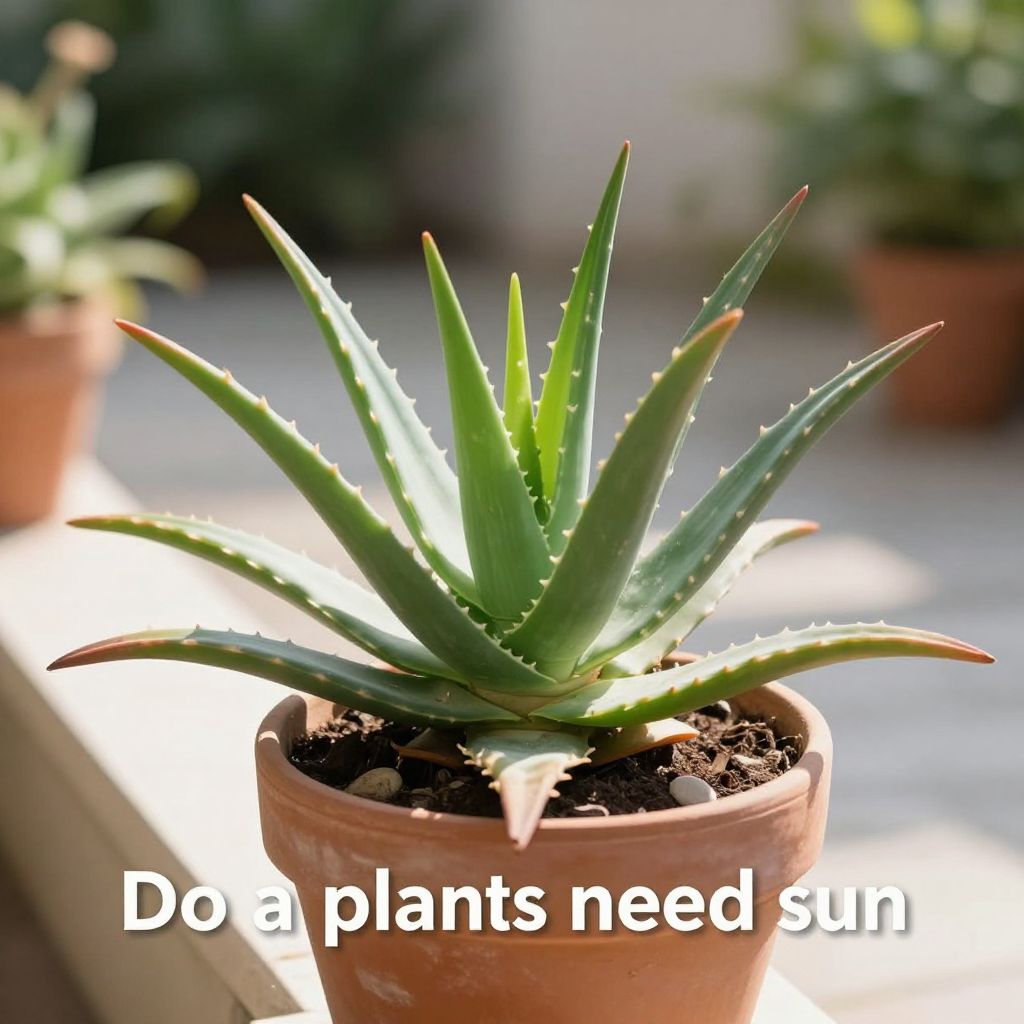
If you’re wondering, “Do aloe plants need sun?” the short answer is yes, but not harsh all-day sun. Aloe vera and other aloe plants grow best in bright light with some direct sun, especially morning sun, while intense afternoon sun can scorch them if they are not acclimated.
The right amount of light depends on whether your aloe is indoors or outdoors, your climate, and how long it has been in its current spot. With the right balance of light, drainage, and watering, aloe is one of the easiest succulents to keep healthy.
Do aloe plants need sun?
Aloe plants need bright light to stay compact, healthy, and upright. Most aloes do best with several hours of direct sun or very bright indirect light, but they should be introduced gradually to stronger sun. Too little light causes stretching and pale leaves, while too much hot sun can burn the foliage.
How much sun aloe plants actually want
Aloe is a sun-loving succulent, but “sun” does not mean the same thing in every garden. In many climates, 4 to 6 hours of direct morning sun is ideal, especially for potted plants and young aloe. In hotter regions, filtered light or partial afternoon shade is often safer.
Indoor aloe light needs
Indoors, aloe usually needs the brightest window you have, often south- or west-facing in the Northern Hemisphere. A few feet back from a bright window can still work if the room is very sunny, but low light quickly leads to weak growth.
- Place aloe where it gets bright light for most of the day.
- Rotate the pot every 1 to 2 weeks so it grows evenly.
- If leaves lean toward the window, the plant likely needs more light.
Outdoor aloe light needs
Outdoors, aloe often performs well in a spot with morning sun and afternoon shade, especially in hot inland or desert climates. In cooler coastal areas or mild climates, it may tolerate more direct sun once established.
- In hot summers, protect aloe from reflected heat off walls, patios, or gravel.
- In cooler climates, more direct sun often improves color and growth.
- Newly planted aloe should be shaded a little at first while it settles in.
Signs your aloe is getting the wrong amount of sun
Too little light
When aloe does not get enough sun, it becomes stretched and weak. The leaves may look longer, thinner, and paler than normal, and the plant can lean or flop over.
- Leaves grow narrow or spread apart.
- Color fades from rich green to light green.
- The rosette opens up instead of staying tight.
- Growth slows and the plant looks “leggy.”
Too much sun
Excessive direct sun, especially after a sudden move outdoors, can scorch aloe leaves. Sunburn often shows up as bleached, tan, orange, or brown patches on the side facing the strongest light.
- Leaves may look dry, papery, or faded on top.
- Damage is often worse after a heat wave or sudden exposure.
- Severely burned leaves do not turn green again.
How to acclimate aloe to stronger sun
If your aloe has been indoors or in shade, move it into brighter light slowly. Sudden exposure is one of the most common reasons gardeners think aloe “doesn’t like sun” when the real issue is shock from too much light too fast.
- Start with bright shade or gentle morning sun for a few days.
- Increase sun exposure by about 1 to 2 hours every several days.
- Watch for fading, browning, or shriveling on the sun-facing side.
- Pause or reduce exposure if the leaves begin to scorch.
This gradual approach is especially important for plants moved from a windowsill to the garden, or from a shaded patio to full outdoor light.
Best growing conditions beyond sunlight
Sunlight matters, but aloe also needs the right soil and watering habits to thrive. A plant in perfect light can still fail if the roots stay wet too long.
Soil and drainage
Aloe needs fast-draining soil that does not hold water around the roots. A cactus or succulent mix is usually a good choice, or you can improve regular potting mix with coarse mineral material such as pumice or perlite.
- Use a pot with a drainage hole.
- Avoid heavy garden soil in containers.
- If planting in the ground, choose a raised or naturally well-drained site.
Watering
Aloe prefers deep but infrequent watering. Let the soil dry out well between waterings, because soggy soil can cause root rot, especially when the plant is receiving less sun and using water more slowly.
- Water thoroughly, then allow excess water to drain away.
- Check the soil with your finger before watering again.
- Water less often in winter or during cool, low-light periods.
Important: Aloe in lower light usually needs less water than aloe in brighter light, because growth slows and the soil dries more slowly.
Can aloe grow in full sun?
Yes, aloe can grow in full sun in the right climate, but not every plant will handle it immediately. Mature, well-rooted aloe in a mild or coastal climate may thrive in full sun, while potted plants, young plants, and aloe in hot inland areas often do better with some protection during the hottest part of the day.
When full sun works well
- The plant has been acclimated gradually.
- The climate is mild rather than extremely hot.
- The soil drains quickly and does not stay wet.
- The plant receives enough water to avoid stress, but not too much.
When to give aloe shade
- During intense summer heat.
- After repotting or transplanting.
- If leaves show sunburn or bleaching.
- If the plant is indoors most of the time and not used to strong sun.
How to tell if your aloe is happy
A healthy aloe usually has firm, plump leaves and a compact shape. The color may range from green to slightly gray-green, depending on light levels and variety, but the plant should look sturdy rather than stretched.
- Leaves are thick and upright or gently arching.
- New leaves emerge from the center.
- The plant stays relatively compact.
- No soft, mushy, or blackened areas appear at the base.
Common aloe problems caused by poor light
Stretching and weak growth
If aloe is kept in low light for too long, it may become tall and floppy. Move it to a brighter location gradually and prune only damaged or badly bent leaves if needed.
Scorching and leaf burn
If aloe gets too much direct sun too fast, the damaged tissue will not recover. Move the plant to gentler light and remove only fully dead leaves once they are dry and loose.
Rot from low light plus overwatering
Low light slows water use, so the soil stays wet longer. If the plant is soft at the base or the leaves feel mushy, check the roots and reduce watering immediately.
Practical care tips for healthy aloe
- Use a pot only slightly larger than the root ball; oversized pots hold too much moisture.
- Keep aloe away from cold drafts and frost.
- Clean off dust from indoor leaves so they can absorb light better.
- Do not mist aloe; it prefers dry air and dry foliage.
- Remove offsets only when they are large enough to root on their own.
Quick troubleshooting guide
- Plant is stretching: move it to brighter light.
- Leaves are turning pale or brown on one side: shade it from harsh afternoon sun and acclimate more slowly.
- Leaves are soft and droopy: check for overwatering, poor drainage, or root rot.
- Plant is not growing much: it may need more light, warmer temperatures, or a fresh potting mix.
Conclusion
So, do aloe plants need sun? Yes, they need bright light to stay compact and healthy, but they usually do best with gentle to moderate direct sun rather than blazing heat. Match the light level to your climate, acclimate the plant slowly, and pair good sun with fast drainage and careful watering.
If you’d like to keep improving your succulent care, you may also enjoy reading about succulent care basics and choosing the best light for indoor plants.