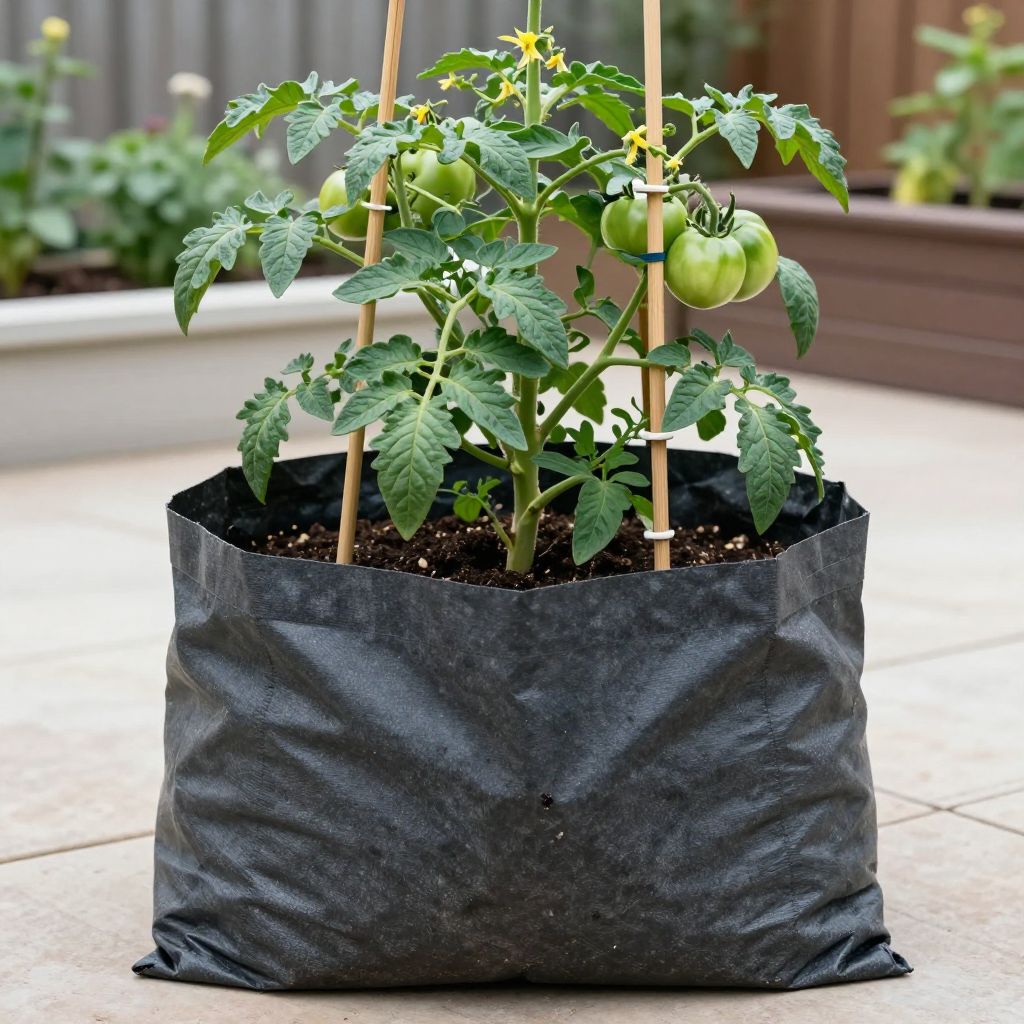
What size grow bag for tomatoes is best? For most home gardeners, the sweet spot is usually a 10- to 20-gallon grow bag for one tomato plant, with larger indeterminate varieties benefiting from the bigger end of that range. The right size helps roots spread, supports steady moisture, and reduces stress in hot weather.
If you choose a bag that is too small, tomatoes dry out quickly and can become stunted. If you choose one that is too large without good soil and watering habits, the plant may still struggle, so size works best when matched with the tomato type, climate, and care routine.
What size grow bag for tomatoes?
For most tomatoes, use a 10-gallon grow bag for compact or determinate varieties and a 15- to 20-gallon bag for indeterminate tomatoes. Cherry tomatoes can sometimes do well in 5 to 7 gallons if you stay on top of watering, but larger-fruited plants usually perform better with more root room.
Why grow bag size matters for tomatoes
Tomatoes are heavy feeders with extensive roots, and grow bags dry out faster than in-ground beds or large rigid containers. A bag that is too small limits root growth, increases heat stress, and makes watering less forgiving.
A properly sized bag gives you more stable moisture, better nutrient availability, and stronger support for a plant that may grow tall and produce for weeks or months.
How bag size affects plant health
- Root space: More room supports stronger growth and fruiting.
- Moisture retention: Larger bags hold more soil, so they dry out less quickly.
- Temperature buffering: Extra soil helps protect roots from rapid heating and cooling.
- Stability: Bigger bags are less likely to tip when plants are loaded with fruit.
Best grow bag sizes by tomato type
Choose the bag size based on the tomato’s growth habit, not just the label on the seed packet. A small patio tomato and a vigorous indeterminate slicing tomato have very different space needs.
Determinate tomatoes
Determinate tomatoes grow to a set size and tend to fruit over a shorter period. They usually do well in 5 to 10 gallons, with 10 gallons being the safer choice if you want easier watering and better yields.
Indeterminate tomatoes
Indeterminate tomatoes keep growing and producing until frost or disease ends the season. These are best in 15 to 20 gallons, especially if you want fewer watering headaches and a more robust root system.
Cherry and patio tomatoes
Smaller cherry or patio tomatoes can grow in 5 to 7 gallons, but only if you provide regular water, consistent feeding, and full sun. If you are new to container gardening, a 10-gallon bag is often easier to manage.
Large beefsteak and slicing tomatoes
Large-fruited tomatoes are usually happiest in 15 to 20 gallons or larger. Bigger fruit means more demand on the plant, so giving roots extra room helps reduce stress and supports better fruit sizing.
Quick size guide for tomato grow bags
- 5 gallons: Only for small patio types, dwarf tomatoes, or very experienced gardeners who water carefully.
- 7 gallons: Works for compact tomatoes and cherry types with attentive watering.
- 10 gallons: A strong all-purpose choice for most determinate tomatoes and many smaller indeterminate plants.
- 15 gallons: Better for most indeterminate tomatoes and larger plants in warm weather.
- 20 gallons: Ideal for vigorous indeterminate tomatoes, hot climates, or gardeners who want more moisture stability.
What else matters besides bag size?
Bag size is important, but it is only one part of success. The soil mix, drainage, sunlight, support, and watering habits matter just as much as the number of gallons.
Soil mix
Use a high-quality potting mix, not garden soil. Garden soil can compact in a bag, drain poorly, and limit oxygen around the roots.
A good container mix should be light, moisture-retentive, and free-draining. Many gardeners blend potting mix with compost to improve fertility, but avoid making the mix too dense.
Drainage and airflow
Grow bags are naturally well-drained, which is one reason they work so well for tomatoes. Still, place them where water can move away freely, and keep the bottom from sitting in puddles.
Good airflow around the plant also helps reduce disease pressure, especially in humid climates.
Sunlight
Tomatoes generally need full sun, which means about 6 to 8 hours or more of direct light daily. In very hot regions, some afternoon shade can help prevent stress, but too little sun reduces flowering and fruiting.
Support
Most tomatoes need a cage, stake, or trellis. In a grow bag, support is especially important because the plant can become top-heavy as it matures.
How to plant tomatoes in a grow bag
Planting correctly helps the tomato make the most of the bag size you choose. Tomatoes can form roots along buried stems, so you can plant them deeper than many other vegetables.
- Fill the grow bag with moist potting mix, leaving a few inches at the top for watering.
- Set the tomato plant in place and bury part of the stem if the plant is leggy.
- Firm the mix gently around the roots without compacting it hard.
- Install a cage or stake at planting time so you do not damage roots later.
- Water thoroughly to settle the soil and remove air pockets.
If you are planting from seed, start indoors according to your local climate and transplant only when temperatures and light levels are suitable for tomatoes where you live.
Watering tomatoes in grow bags
Grow bags dry faster than ground beds, so watering is the main challenge. Smaller bags may need daily checking during warm weather, while larger bags usually give you a little more margin for error.
Instead of following a fixed schedule, check the soil with your finger. Water when the top inch or two feels dry, and water deeply enough that excess drains out the bottom.
Signs the bag is too small for your conditions
- The plant wilts quickly in the afternoon even when you water often.
- The soil dries out within a few hours on hot days.
- Fruit is small, blossom end rot becomes more common, or growth stalls.
How to reduce watering stress
- Choose a larger bag in hot or windy climates.
- Mulch the surface with straw or shredded leaves to slow evaporation.
- Water early in the day when possible.
- Group bags together to reduce drying from wind exposure.
Feeding tomatoes in grow bags
Tomatoes in containers use nutrients quickly because roots are confined and watering leaches minerals from the mix. A bag that is too small can make feeding problems show up sooner.
Use a balanced approach: start with a fertile potting mix and then supplement as the plant grows, following the product directions and adjusting to plant response. Too much nitrogen can produce lush leaves with fewer flowers, so avoid overfeeding.
What to watch for
- Pale leaves: may suggest nutrient shortage or roots that are not functioning well.
- Lots of foliage, few flowers: can mean too much nitrogen.
- Blossom end rot: often linked to uneven watering, not just calcium levels.
Common mistakes to avoid
Most tomato problems in grow bags come from underestimating how fast the container dries or choosing a bag that is too small for the variety.
- Using a tiny bag for a large tomato: this leads to stress and frequent wilting.
- Using garden soil: it can compact and reduce drainage.
- Letting the bag sit on a hot surface: pavement can overheat roots.
- Skipping support: fruit-laden plants can topple or break.
- Ignoring daily moisture checks in hot weather: grow bags can dry surprisingly fast.
Troubleshooting tomato problems in grow bags
If your tomato looks unhappy, the bag size may be part of the issue, but it is often combined with water, heat, or nutrition problems.
Wilting during the day
This can happen in small bags on hot afternoons. Check soil moisture first. If the bag is drying too fast, move up to a larger size next time or add mulch and more frequent watering.
Yellowing lower leaves
Older leaves may yellow from nutrient depletion, inconsistent watering, or natural aging. If the plant is otherwise healthy, check the feeding routine and whether the root zone is staying evenly moist.
Small fruit or poor production
Insufficient sun, a cramped root zone, or uneven watering can all reduce yield. For the next planting, choose a larger bag and make sure the plant gets enough direct light.
Can you use one grow bag for two tomato plants?
It is usually better not to. Two tomato plants in one bag compete for water, nutrients, and root space, especially in smaller containers. If you want to try it, only consider very large bags and compact varieties, and even then separate bags are usually easier to manage.
Best placement for tomato grow bags
Set the bag where the plant can get full sun and where you can water it easily. Patio edges, driveways, decks, and open garden spaces can all work, as long as the surface does not overheat the roots excessively.
If your summer is very hot, a light-colored surface or a spot with afternoon protection can help. In windy areas, place the bag where it will not dry out too quickly or blow over.
Conclusion
If you are wondering what size grow bag for tomatoes to buy, start with 10 gallons for most tomatoes and move up to 15 to 20 gallons for vigorous indeterminate plants. Match the bag to the variety, your climate, and how often you can water, then give the plant full sun, support, and a well-draining mix.
For more container-growing help, you may also want to read related gardening guides on container soil mixes and how to support tomato plants.