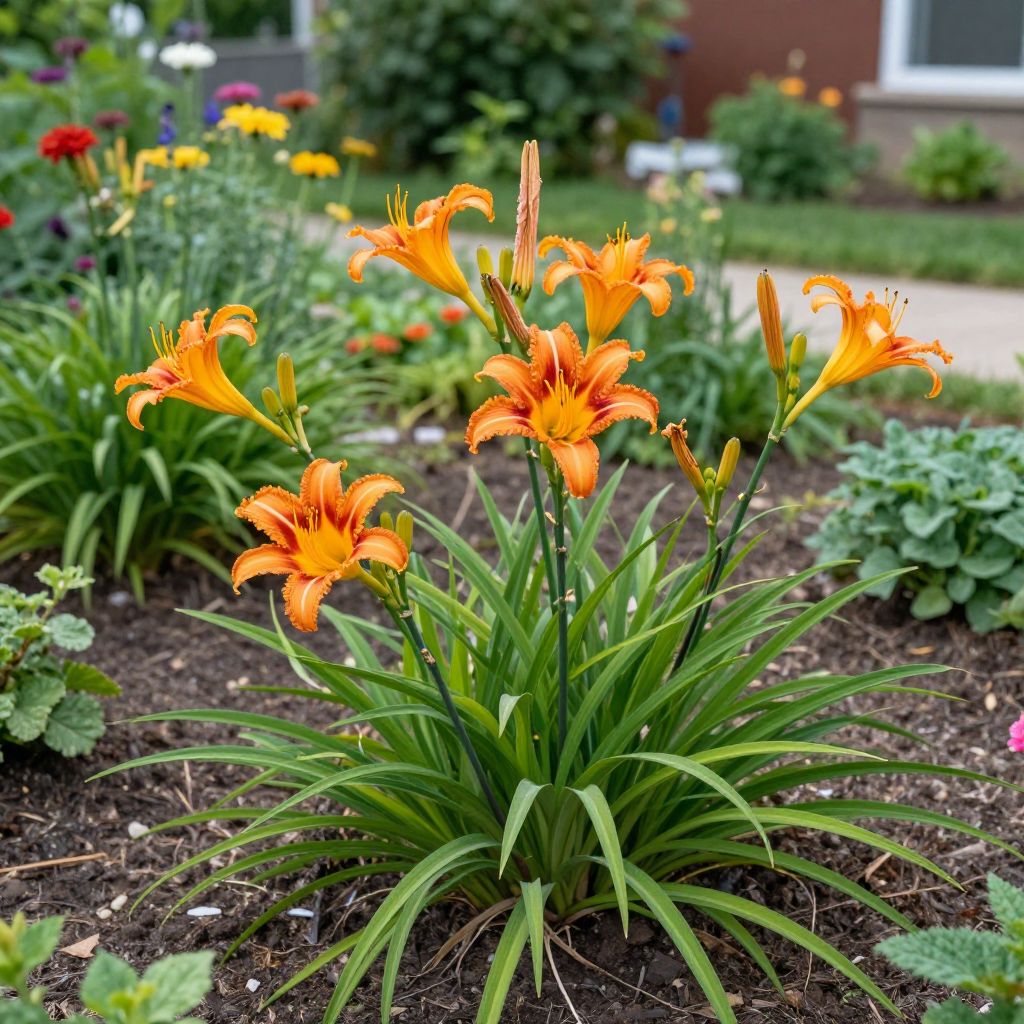
Do daylilies bloom all summer? Sometimes they seem to, but the answer depends on the type of daylily, your climate, and how well the plants are growing. Most daylilies produce individual flowers that last only one day, but a healthy clump can keep sending up new buds for weeks.
If you want a longer display, the key is choosing the right varieties and giving them the conditions they need. With good sunlight, decent soil, and timely cleanup, daylilies can be one of the most reliable long-blooming perennials in the garden.
Do daylilies bloom all summer?
Some daylilies can bloom for much of summer, but not all do. Many reblooming cultivars flower in flushes from late spring into fall, while older or single-bloom types may flower for only a few weeks. Each bloom lasts one day, but a mature plant can keep producing new buds over time.
Why daylily blooms seem to last so long
Daylilies are named for their flowers, which open for just a day. That does not mean the plant is done after one bloom. A healthy clump often carries many buds on multiple stems, so the plant looks like it is blooming continuously even though each flower is short-lived.
What affects bloom length
- Variety: Reblooming daylilies flower more than once in a season.
- Age of the clump: Established plants usually bloom better than newly planted divisions.
- Sunlight: More sun generally means more flowers.
- Soil fertility: Too much nitrogen can reduce flowering.
- Weather: Heat, drought, and extreme rain can shorten bloom periods.
Which daylilies bloom longest?
If your goal is summer-long color, look for reblooming daylilies rather than one-time bloomers. Rebloomer tags often mention a second flush later in the season, but the exact timing depends on your region. In cooler climates, the second round may be shorter; in warm areas, it may be more noticeable.
Types to look for at the nursery
- Reblooming daylilies: Flower more than once in a growing season.
- Extended-bloom cultivars: Produce a long initial bloom period.
- Early, midseason, and late bloomers: Planting a mix can stretch color across summer.
A practical strategy is to combine several bloom times instead of relying on one plant. That way, when one daylily finishes, another begins.
Best growing conditions for more flowers
Daylilies are adaptable, but they bloom best when their basic needs are met. They prefer full sun in most gardens, though very hot climates may benefit from light afternoon shade. Rich, well-drained soil helps plants build strong roots and produce more buds.
Sunlight
Give daylilies at least 6 hours of direct sun for best flowering. In very hot regions, morning sun with afternoon shade can help flowers last longer and reduce stress.
Soil and drainage
Daylilies tolerate many soils, but they dislike soggy conditions. Aim for soil that drains well and contains organic matter. If your soil is heavy clay, work in compost to improve structure and drainage.
Watering
Water deeply during dry spells, especially while plants are establishing and during bud formation. Avoid frequent shallow watering, which encourages weak roots. If the soil stays wet for long periods, bloom quality can decline and roots may rot.
Feeding
Too much fertilizer can lead to lush leaves and fewer flowers. A light application of compost in spring is often enough for established plants. If you use a balanced fertilizer, follow the label and avoid high-nitrogen products unless a soil test suggests otherwise.
How to keep daylilies blooming longer
You cannot make each flower last more than a day, but you can encourage the plant to keep producing buds. Good maintenance matters more than heavy feeding or frequent watering.
1. Deadhead spent blooms
Remove faded flowers regularly. This keeps the plant tidy and may help direct energy toward new buds rather than seed formation.
2. Cut back tired flower stalks
When a flower stalk has finished blooming and no more buds are forming, cut it back to the base. This improves appearance and helps you see new growth more clearly.
3. Keep clumps from getting crowded
Overcrowded daylilies often bloom less. If a clump has become dense and flowering has dropped, divide it. Many gardeners find that dividing every 3 to 5 years helps restore vigor, though timing depends on growth rate and conditions.
4. Mulch lightly
A thin layer of mulch can help conserve moisture and suppress weeds. Keep mulch a few inches away from the crown so the plant does not stay too wet.
Seasonal bloom pattern: what to expect
Even reblooming daylilies do not usually flower nonstop in a perfect, uninterrupted way. They tend to bloom in flushes. Weather, heat waves, rain, and plant maturity all affect how long each flush lasts.
- Spring: Early varieties start first in many climates.
- Early to midsummer: Peak bloom for many daylilies.
- Late summer: Rebloomers may send up another round of flowers.
- Fall: In mild climates, some rebloomers continue sporadically.
If you want flowers all summer, stagger your plant choices. A mix of early, midseason, and reblooming cultivars gives the most dependable display.
Common reasons daylilies stop blooming well
When a daylily looks healthy but flowers poorly, the issue is often one of a few common problems. Most are easy to correct once you identify them.
Too much shade
Daylilies in deep shade may grow leaves but produce few blooms. Move them to a sunnier spot if possible, or thin nearby shrubs and trees to increase light.
Overfertilizing
Excess nitrogen encourages foliage at the expense of flowers. If you have been feeding heavily, stop and let the plant rebalance. Compost is usually safer than strong fertilizer for established clumps.
Overcrowding
Old clumps can become congested and bloom less. Dig and divide crowded plants, then replant the healthiest sections with space to expand.
Drought stress
Dry soil during bud formation can reduce the number of blooms. Water deeply when the top few inches of soil dry out, especially in hot weather.
Recent transplanting
Newly planted daylilies may spend a season establishing roots before blooming heavily. This is normal. Give them time and steady care.
Pests and diseases that can affect flowering
Daylilies are generally tough, but pests and disease can weaken plants and reduce bloom. Catching problems early helps keep the plant productive.
Common pests
- Aphids: Can cluster on buds and young growth.
- Thrips: May damage buds and distort flowers.
- Spider mites: More common in hot, dry conditions.
If you notice damaged buds or distorted flowers, inspect the plant closely. A strong spray of water can dislodge small pests, and removing badly affected buds may help reduce spread.
Common diseases
- Rust: Causes orange-brown pustules on leaves.
- Leaf streak: Produces yellowing or browning streaks.
- Crown rot: Often linked to poor drainage or excess moisture.
Good spacing, clean tools, and removing diseased leaves can reduce problems. If crown rot appears, improving drainage is essential; badly rotted plants may not recover.
How to propagate daylilies for more blooms over time
Division is the easiest way to keep daylilies vigorous and increase the number of flowering plants in your garden. It is also useful when a clump becomes too large or bloom performance drops.
Simple division steps
- Choose a cool, mild day if possible.
- Dig up the clump carefully.
- Shake or rinse off excess soil so you can see the fans and roots.
- Separate the clump into smaller sections with healthy roots and several fans each.
- Replant at the same depth in prepared soil.
- Water well and keep evenly moist while the divisions settle in.
Dividing in your local best season matters. In many climates, early spring or late summer works well, but timing should fit your weather and allow the plants time to root before extreme heat or cold.
Landscaping tips for a longer display
Daylilies work well in borders, foundations, mass plantings, and mixed perennial beds. To make the bloom season feel longer, place them where you can easily see and deadhead them.
- Plant in groups for a stronger visual effect.
- Mix early, midseason, and reblooming types.
- Combine daylilies with later-blooming perennials for season-long interest.
- Use mulch and edging to keep beds tidy and reduce competition from weeds.
Because each flower lasts only a day, the best display comes from quantity and succession, not from a single bloom lasting forever. A well-planned bed can still look colorful for a very long stretch of summer.
Quick answer: how to get the longest bloom period
To maximize bloom time, plant daylilies in full sun, keep soil well drained, water during dry spells, avoid excess nitrogen, deadhead regularly, and divide crowded clumps every few years. Most importantly, choose reblooming cultivars if you want flowers that return later in the season.
If you want to keep improving your perennial bed, you may also enjoy reading about dividing perennials for healthier growth and choosing the best flowering plants for full sun.