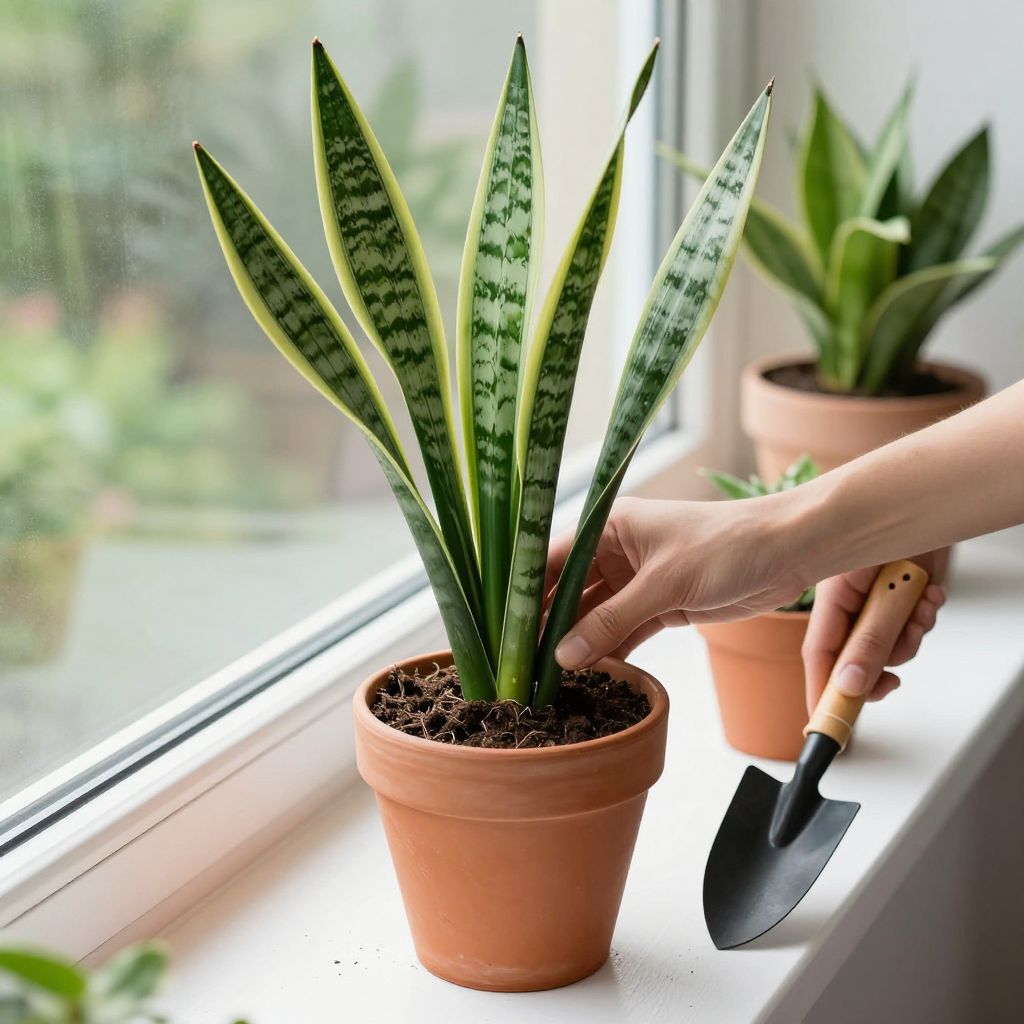
Why is my snake plant falling over? In most cases, the problem is not that the plant is “too weak” but that something in its growing conditions is off. Snake plants (Dracaena trifasciata, formerly Sansevieria) usually lean or collapse because of overwatering, root rot, poor light, damaged roots, or a pot that no longer supports the plant.
The good news is that most snake plants recover well if you catch the issue early. With a careful check of the roots, soil, pot, and light, you can usually stand the plant back up and prevent the problem from returning.
Why is my snake plant falling over?
A snake plant usually falls over because its roots or rhizomes are stressed, the potting mix stays too wet, or the leaves have grown tall and heavy in low light. Less often, pests, cold damage, or a cramped, unstable pot are to blame. The fix depends on whether the plant is soft, leaning, or physically top-heavy.
Common causes of a falling snake plant
1. Overwatering and root rot
This is the most common reason a snake plant collapses. When soil stays wet too long, roots lose oxygen and begin to rot, so they can no longer anchor the plant or move water properly.
Signs of overwatering include:
- Leaves that feel soft, mushy, or wrinkled near the base
- Yellowing leaves
- A sour smell from the potting mix
- Black, brown, or slimy roots
- Leaves that flop outward from the center
If the base is soft, treat this as a drainage and root problem first, not a support problem.
2. Too little light
Snake plants tolerate low light, but they do not thrive in it forever. In dim conditions, leaves often stretch, become thin, and lose rigidity, which makes the whole plant lean or topple.
This is especially common when the plant is placed far from a window, in a dark corner, or in a room with only artificial light. A plant growing in low light may look healthy at first, then slowly become floppy over time.
3. A pot that is too large or too unstable
A pot that is oversized can hold excess moisture around the roots, increasing rot risk. A lightweight pot can also tip if the plant has tall leaves or multiple offsets growing off-center.
If the container is narrow, shallow, cracked, or top-heavy, the plant may fall even when the roots are healthy. This is a common issue with mature snake plants and newly divided plants.
4. Rootbound growth or crowded rhizomes
Snake plants do not mind being a little snug, but eventually crowded roots and rhizomes can push upward or sideways. When the plant becomes crowded, it may split apart, lean, or lift out of the pot.
You may notice roots circling the inside of the pot, rhizomes pressing against the sides, or offsets forcing the clump out of balance.
5. Physical damage or poor handling
Leaves can bend or break from being bumped, moved too often, or exposed to drafts and sudden temperature changes. A damaged leaf may not stand upright again, even if the rest of the plant is fine.
Cold injury can also weaken tissue, especially if the plant sits near a chilly window or in a drafty entryway during winter.
6. Pests or disease
Mealybugs, scale, and spider mites do not usually make a snake plant fall overnight, but they can weaken the plant over time. Severe infestations may cause stunting, discoloration, and loss of firmness.
Fungal or bacterial problems are more likely when the soil stays wet and the crown remains damp. If the base is collapsing and discolored, inspect carefully for rot.
How to diagnose the problem step by step
- Check the soil moisture. If the mix is wet or heavy, overwatering is likely.
- Lift the pot. A very light pot may mean the mix is dry; a heavy, soggy pot points to excess moisture.
- Look at the leaves. Soft, yellow, or translucent leaves suggest rot; thin, stretched leaves suggest low light.
- Inspect the base. Gently move the plant and see whether the crown is firm or loose.
- Remove the plant from the pot if needed. Healthy roots should be firm and pale to tan, not black and mushy.
- Check the pot and drainage holes. A pot without drainage can trap water and cause repeated collapse.
If you are unsure, the root system will usually tell you the truth. Healthy snake plant roots are firm; rotten roots are soft, dark, and often break apart easily.
How to fix a snake plant that is falling over
If the plant is overwatered or rotting
- Remove the plant from the pot.
- Brush or shake off the wet soil.
- Cut away any mushy, black, or foul-smelling roots with clean scissors.
- Trim away badly damaged leaves if necessary.
- Let the plant air-dry for a few hours before repotting.
- Repot into a container with drainage holes using a fast-draining mix.
A cactus or succulent mix often works well, especially if you improve it with extra perlite, pumice, or coarse sand for faster drainage. Avoid dense garden soil or heavy compost-heavy mixes indoors.
After repotting, wait before watering unless the roots were severely dried out during cleanup. Then water lightly and let the mix dry thoroughly before watering again.
If the plant is leaning because of low light
Move the snake plant to brighter indirect light. A spot near an east, west, or filtered south-facing window is often better than a dark corner.
Rotate the pot every couple of weeks so the leaves grow more evenly. If the plant has already become very stretched, the bent leaves may not straighten completely, but new growth should be sturdier in better light.
If the pot is unstable
- Choose a heavier pot, such as ceramic or terracotta.
- Use a pot only slightly larger than the root ball.
- Make sure the base is wide enough to resist tipping.
- Remove broken or badly leaning outer leaves if they cannot be supported.
For tall, mature plants, a heavier container can make a big difference. You can also place the pot inside a decorative cachepot for extra stability, as long as excess water does not collect at the bottom.
If the plant is rootbound
Repot into a container just one size larger if the roots are tightly packed. If the clump is crowded but healthy, you can also divide it into smaller sections and replant them separately.
When dividing, make sure each section has roots and at least a few healthy leaves. This is often the best way to rescue a crowded plant that keeps tipping over.
What soil and drainage does a snake plant need?
Snake plants need a loose, fast-draining mix that does not stay wet for long. The roots are adapted to dry periods, so compacted or moisture-retentive soil is a common cause of failure.
A good indoor mix should drain quickly while still holding enough moisture for the roots to absorb between waterings. If you use a standard houseplant potting mix, improve it with drainage materials rather than leaving it dense and heavy.
- Use a pot with drainage holes.
- Choose a gritty, airy mix.
- Empty saucers after watering.
- Avoid letting the pot sit in standing water.
Do not add a thick layer of gravel at the bottom of the pot as a substitute for drainage. The real solution is a free-draining mix and a proper container.
Watering habits that prevent flopping
Snake plants should be watered based on soil dryness, not by a fixed calendar. In warmer, brighter conditions they may dry faster; in cool or low-light homes they dry much more slowly.
Before watering, check several inches down into the pot if possible. If the mix is still damp, wait. If it is dry through most of the root zone, water thoroughly and let excess drain away.
Common watering mistakes include:
- Watering “just in case”
- Using a pot without drainage holes
- Keeping the plant in a humid, poorly ventilated corner
- Watering more often in winter when growth slows
In general, snake plants need much less water in cooler seasons or low-light conditions. Adjust to your home, not a strict schedule.
When to prune, stake, or divide a falling snake plant
Pruning damaged leaves
If a leaf is bent, torn, or rotten at the base, cut it off cleanly with sterilized scissors or pruners. Damaged leaves will not recover, and removing them can help the plant redirect energy to healthy growth.
Cut close to the soil line if the leaf is badly damaged. If only the tip is brown and dry, you can trim the tip into a neat point for appearance.
Staking is only a temporary fix
You can loosely support a tall leaf with a small stake, but staking does not solve rot, weak roots, or poor light. Use it only while you correct the underlying issue.
Dividing crowded clumps
Division is useful when a mature plant is crowded, tipping, or producing many offsets. It also helps if one side of the plant has become too heavy.
Separate the clump into sections with roots attached, then replant each section in a stable pot with fresh mix. This often restores balance better than trying to force the original clump upright.
How to keep a snake plant upright long term
- Give it bright, indirect light when possible.
- Use a pot with drainage holes and a gritty mix.
- Water only after the soil dries well.
- Repot when roots become crowded or the pot becomes unstable.
- Inspect regularly for pests, soft bases, and yellowing leaves.
Healthy snake plants are naturally stiff and upright. If yours keeps falling over, something in the root zone or light conditions is usually off, and fixing that early prevents bigger losses.
When a falling snake plant cannot be saved
If the entire base is mushy, the roots are mostly gone, or the plant smells rotten throughout, recovery may be limited. In that case, you may still be able to save healthy leaf sections by propagating them, though variegation may not always come true from leaf cuttings.
If only part of the plant is affected, remove the rotted sections and replant the healthy portions. The sooner you act, the better the chance of saving the plant.
If you want to troubleshoot further, compare your plant’s symptoms with other houseplant care guides and review your watering, potting mix, and light levels together. For related reading, you may also find our guides on how to repot houseplants and choosing the right indoor potting mix useful.