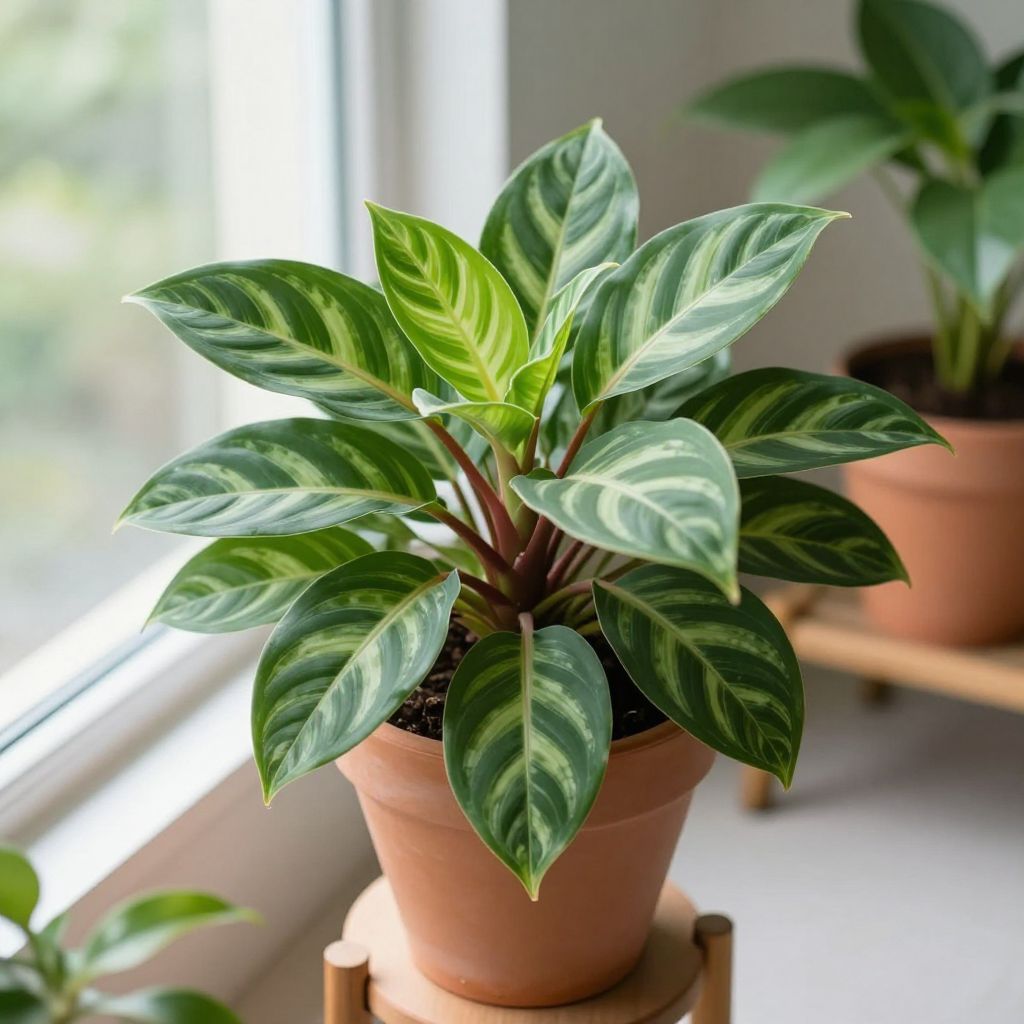
Why is it called a prayer plant? If you’ve noticed the leaves folding up at night or changing position through the day, that’s the clue. This group of houseplants is known for a natural leaf movement called nyctinasty, and it’s one of the most distinctive things about them.
That movement is normal, but it can also be affected by light, watering, humidity, and plant health. If your prayer plant is not “praying” as much as expected, the cause is often easy to find and fix with a few care adjustments.
Why is it called a prayer plant?
It’s called a prayer plant because many plants in the Marantaceae family fold or angle their leaves upward in the evening and lower them again in daylight. This daily movement resembles hands held together, which is where the common name comes from. The best-known prayer plant is Maranta leuconeura, though related plants like Calathea and Ctenanthe are often grouped with it in home gardening.
What causes the leaves to move?
The movement is a normal response to light and the plant’s internal rhythm. Specialized joints at the base of the leaf stalks, called pulvini, shift water pressure and let the leaves change position. In healthy plants, this happens gradually and does not mean the plant is stressed.
Common reasons the movement is more noticeable
- Day-night light changes trigger the strongest movement.
- Healthy, hydrated plants usually show it more clearly.
- Younger leaves may move more actively than older ones.
- Low light or stress can make the movement weaker or less consistent.
Is it normal if my prayer plant stops folding its leaves?
Sometimes, yes. A prayer plant may move less if it is stressed, underwatered, overwatered, kept in low light, or exposed to dry air. It may also slow down during cooler months when growth naturally eases. If the plant still looks healthy overall, reduced movement is not always a problem.
Signs the plant is healthy even if movement is subtle
- Leaves are firm and evenly colored
- New growth appears regularly in the right season
- No widespread yellowing, browning, or spotting
- Stems are upright rather than limp
Common causes of poor prayer plant movement and how to fix them
1. Low or inconsistent light
Prayer plants prefer bright, indirect light. Too little light can weaken growth and reduce leaf movement, while harsh direct sun can scorch the foliage. A spot near an east- or north-facing window is often a good starting point indoors.
Fix: Move the plant to brighter indirect light and rotate the pot every week or two so growth stays even. If natural light is limited, a grow light can help, but keep it at a sensible distance so the leaves do not overheat.
2. Water stress
These plants like evenly moist soil, not soggy conditions and not long dry spells. If the potting mix dries out too much, the leaves may curl, droop, or move less. If it stays wet too long, roots can suffer and the plant may lose vigor.
Fix: Water when the top 1 inch of soil feels dry, then let excess water drain away completely. Use a pot with drainage holes and avoid letting the plant sit in a saucer of water.
3. Low humidity
Prayer plants are tropical understory plants and often struggle in dry indoor air. Low humidity can cause crispy leaf edges, curled leaves, and weaker overall movement.
Fix: Aim for moderate to high humidity if possible. Grouping plants together, using a pebble tray, or running a humidifier can help. Avoid placing the plant near heating vents, radiators, or drafty windows.
4. Temperature swings
Sudden cold drafts or hot, dry air can stress the plant. Prayer plants do best in stable indoor temperatures and dislike abrupt changes.
Fix: Keep the plant away from exterior doors, air conditioners, and heaters. If you move it outdoors in warm weather, do so gradually and bring it back inside before nights turn cool.
5. Root problems from poor drainage
If the soil stays wet for too long, roots can decline and the plant will lose the energy needed for normal leaf movement. Yellowing leaves, mushy stems, and a sour smell from the potting mix are warning signs.
Fix: Repot into fresh, airy potting mix if needed. A blend that drains well but still holds moisture is ideal. You can improve standard indoor potting soil with perlite and fine bark or coco coir, depending on what you have available.
6. Pests
Spider mites, thrips, and mealybugs can weaken prayer plants, especially indoors where air is dry and plants are crowded. Damaged leaves may curl, look dull, or show speckling.
Fix: Inspect the undersides of leaves and along stems. If you find pests, isolate the plant and treat it promptly with insecticidal soap or another appropriate houseplant treatment, following label directions. Wipe leaves gently to remove dust and pests.
How to care for a prayer plant so it keeps moving well
Light
Give bright, indirect light. Too much direct sun can bleach or scorch the leaves, while deep shade can slow growth. If the plant leans strongly toward one side, it may need more even light exposure.
Water
Check the soil with your finger rather than watering on a fixed schedule. Indoor conditions change with season, pot size, and light levels, so the plant may need water more often in warm, bright months and less often in winter.
Soil
Use a loose, well-draining mix that still holds some moisture. Prayer plants do not like heavy, compacted soil. If the mix seems dense or stays wet for days, repotting into a lighter blend can make a big difference.
Fertilizer
Feed lightly during active growth if needed, but avoid overfertilizing. Too much fertilizer can burn roots and create leaf tip damage that may be mistaken for a watering issue. If growth is slow in winter, many gardeners reduce feeding or stop until spring.
Pruning and cleanup
Trim yellow or damaged leaves at the base with clean scissors. This will not restore movement to a damaged leaf, but it helps the plant focus energy on healthy growth. Dusting the leaves occasionally also improves light capture and makes it easier to spot pests early.
Repotting and propagation basics
Prayer plants usually need repotting when roots fill the container or when the soil breaks down and drains poorly. Choose a pot only slightly larger than the current one, since oversized pots can stay wet too long.
When to repot
- Roots are circling the pot or coming from drainage holes
- Water runs through too quickly because the mix has degraded
- The plant dries out unusually fast or stays wet for too long
- Growth has slowed despite good care
Simple propagation approach
Many prayer plants can be propagated by division when repotting. Separate a healthy clump with roots attached to each section and pot it into fresh mix. Keep the new divisions warm, evenly moist, and out of direct sun while they establish.
Outdoors or indoors: does the name mean the same thing?
For most home gardeners, prayer plants are grown indoors because they need warmth and humidity. In frost-free climates, some can be grown outdoors in sheltered shade, but they still need protection from direct sun, drying wind, and cool nights.
If you move a prayer plant outside for summer, acclimate it slowly over several days. Sudden exposure to brighter light and lower humidity can scorch the leaves and reduce the movement you were hoping to enjoy.
Quick troubleshooting checklist
- Leaves not moving much: check light, watering, and humidity first
- Leaf edges crisp or brown: increase humidity and check for salt buildup or underwatering
- Leaves yellowing: look for overwatering, poor drainage, or root stress
- Leaves curling during the day: inspect soil moisture and temperature
- Sticky residue or speckling: check carefully for pests
Conclusion: what to do next
The reason it’s called a prayer plant is simple: its leaves naturally fold and lift as part of a daily rhythm. If your plant is not doing that well, start by checking light, moisture, humidity, and drainage. Those four factors solve most problems and help the plant stay healthy enough to show its signature movement.
If you want to keep learning about indoor foliage plants, look for more care guides on houseplant light requirements and how to improve indoor humidity for tropical plants.