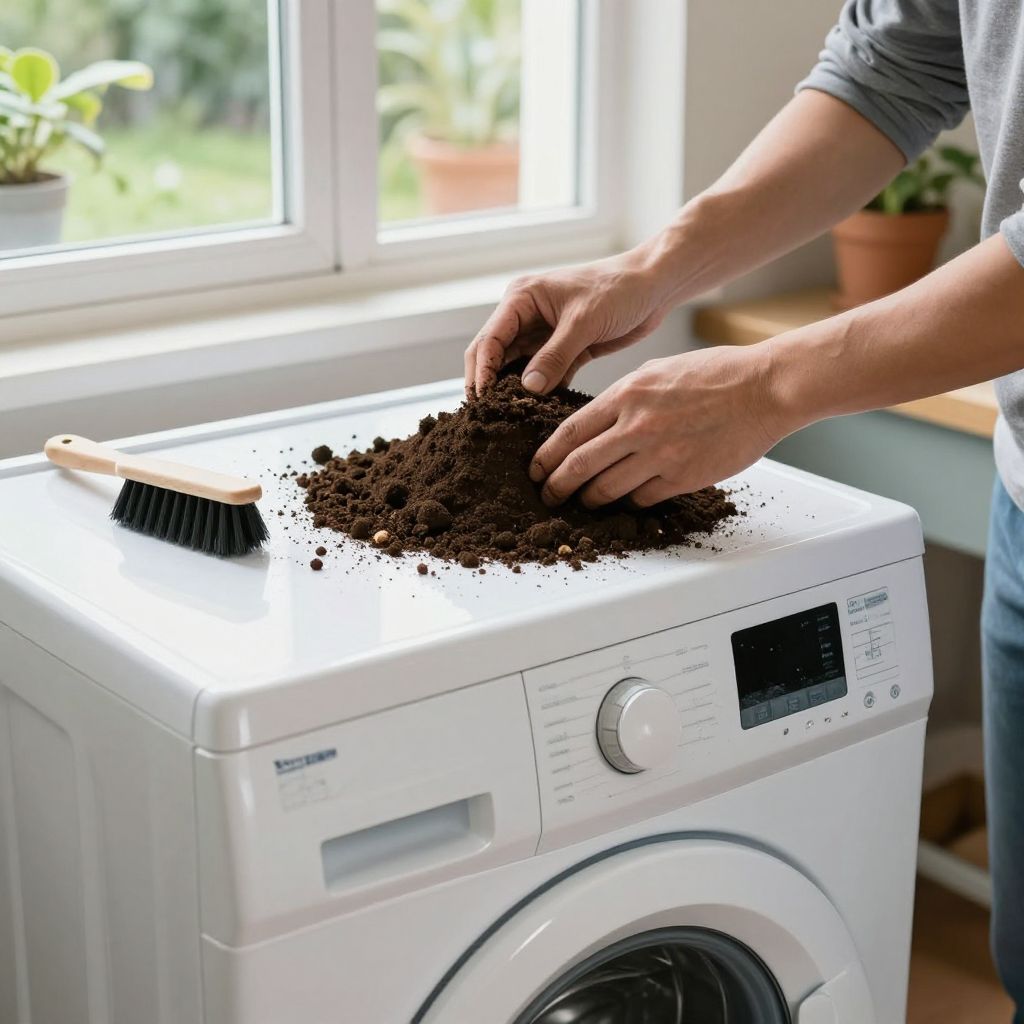
What is soil on washing machine, and why would a gardener care? In everyday use, this usually means the dirt, grit, lint, and mineral residue that collect on or inside a washing machine from muddy clothes, garden gloves, and outdoor workwear. For gardeners, it matters because that buildup can stain fabrics, clog filters, and spread soil-borne pests or pathogens between loads.
If you regularly wash gardening clothes, understanding this “soil” helps you clean gear more effectively and protect both your washer and your plants. The good news is that a few simple habits can reduce residue, improve cleaning, and keep muddy laundry from becoming a maintenance problem.
What is soil on washing machine?
“Soil” on a washing machine is not garden soil as a growing medium. It usually refers to the grime left behind after washing dirty clothes: mud, clay, compost dust, mulch particles, plant sap, and hard-water deposits. In gardening households, this residue can build up in the drum, gasket, dispenser, and drain area if you do not pre-clean heavily soiled items.
Why gardeners notice washing machine soil buildup
Garden work creates a specific kind of laundry mess. Fine particles from potting mix, compost, and dry soil cling to fabric fibers, while wet clay can smear and settle in machine seals and filters.
That buildup can cause several practical issues:
- Gray streaks or gritty residue on clean clothes
- Musty odors from trapped organic matter
- Clogged pump filters or drain screens
- More wear on seals, hoses, and moving parts
- Cross-contamination between garden clothes and household laundry
Important: if your gardening clothes have been exposed to diseased plants, treat them carefully before washing so you do not spread spores or pests around your laundry area.
How to tell garden soil from washer residue
Not every mark in the machine is actual soil from the garden. Some residue comes from detergent, hard water, or fabric softener. Knowing the difference helps you choose the right fix.
Common signs it is garden soil
- Brown, tan, or black gritty particles
- Clay-like smears in the drum or gasket
- Bits of mulch, leaves, or grass
- Stains that appear after washing work clothes, boots, or gloves
Common signs it is detergent or mineral buildup
- White or chalky film
- Sticky, waxy residue
- Flakes or slimy deposits in the dispenser
- Odor even when clothes were not especially dirty
If the residue is mostly mineral or detergent buildup, you need a machine-cleaning routine. If it appears after gardening laundry, you also need better pre-cleaning of clothes and tools.
Best way to handle muddy gardening clothes before washing
The easiest way to reduce soil on washing machine parts is to keep as much dirt out of the washer as possible. A little prep makes a big difference, especially after wet weather or heavy digging.
- Let mud dry first when possible. Dry soil brushes off more easily than wet clay.
- Shake garments outdoors to remove loose dirt, leaves, and grass.
- Use a stiff brush to knock off caked mud from cuffs, hems, knees, and pockets.
- Rinse heavily soiled items with a hose or utility sink before they go in the washer.
- Empty pockets thoroughly to remove seeds, pebbles, twine, plant tags, and grit.
For boots, gloves, and kneeling pads, clean them separately according to their material. Do not assume the washer can handle every garden item safely.
How to clean a washing machine affected by garden soil
If your washer already has visible dirt or odor, clean it before the next load of clothes. Always check your appliance manual first, since front-load and top-load machines have different care needs.
Basic cleaning steps
- Remove loose debris from the drum and gasket by hand.
- Wipe the door seal, detergent drawer, and rim with a damp cloth.
- Run a hot or warm empty cycle if your machine allows it.
- Use a washer-cleaning product or a cleaning cycle recommended by the manufacturer.
- Clean the pump filter or drain trap if your model has one.
- Leave the door or lid open after use so the inside can dry.
What to avoid
- Do not overload the washer with muddy items.
- Do not let clumps of soil go straight into the drum.
- Do not mix extremely dirty garden clothes with delicate laundry.
- Do not use abrasive tools that can damage seals or finishes.
Tip: If you garden often, set aside one laundry basket for work clothes so dirt does not spread through the house.
How soil buildup affects plant health and garden hygiene
Washer residue is mostly a household maintenance issue, but it can also matter in the garden. Soil trapped on clothing, gloves, and boots can move weed seeds, fungal spores, nematodes, and insect eggs from one area to another.
This is especially important if you are working with:
- Plants showing disease symptoms
- Compost piles containing weed seeds
- Potting benches and seed-starting trays
- Raised beds with known pest problems
To reduce spread, keep a separate set of tools and washables for problem areas when possible. Clean boots before entering greenhouses, beds, or clean storage spaces.
Common washer problems gardeners run into
1. Grit in the drum after washing work clothes
This usually means too much loose soil was left on the fabric. Pre-brush clothes more thoroughly and use an extra rinse cycle if needed.
2. Mud in the gasket or door seal
Front-load machines are especially prone to this. Wipe the seal after muddy loads and check folds where grit can hide.
3. Musty smell after washing garden gear
Organic debris may be trapped in the machine. Clean the filter, run a maintenance cycle, and allow the washer to dry fully between loads.
4. White film after washing compost-dusted clothes
This may be hard-water residue or detergent buildup rather than garden soil. Reduce detergent if you are using too much, and consider a machine cleaner suited to mineral deposits.
Gardening laundry habits that prevent future buildup
Good laundry habits are the simplest long-term fix. They protect your washer, improve cleaning, and make it easier to keep garden dirt from spreading indoors.
- Sort garden clothes separately from everyday laundry.
- Empty pockets before washing.
- Pre-rinse muddy items outdoors or in a utility sink.
- Use the correct water temperature for the fabric and soil level.
- Clean the washer regularly during the growing season, especially after wet, muddy work.
- Air-dry heavily soiled gear before storing it if it cannot be washed immediately.
If you garden year-round, make washer care part of your seasonal routine. Spring planting, summer weeding, and fall cleanup all tend to create heavier laundry loads than the rest of the year.
When to inspect your washer more closely
Some signs mean the problem is more than ordinary garden dirt. Check the machine more carefully if you notice repeated residue, drainage problems, or worsening odor.
- Water left in the drum after a cycle
- Visible debris in the pump filter
- Repeated staining on clean laundry
- Unusual noises during draining or spinning
- Leaks around the door or base
If cleaning does not solve the issue, the washer may need service. Soil-heavy laundry can reveal problems sooner because it puts more strain on filters and drainage parts.
Simple garden-to-laundry workflow that works
A practical routine keeps both your plants and your washer in better shape. Try this sequence after a messy day in the garden:
- Knock off loose soil outdoors.
- Rinse mud from tools, boots, and washable gear.
- Brush or shake out clothing before it enters the laundry room.
- Wash the dirtiest items separately.
- Clean the washer if you see grit, odor, or residue.
- Dry the machine interior by leaving the door or lid open.
This routine is especially helpful after working in clay soil, compost, or wet mulch, when residue is most likely to cling to fabric and machine parts.
Conclusion
So, what is soil on washing machine? For gardeners, it is the dirt and residue that garden work leaves behind on laundry and inside the appliance. The best fix is simple: remove as much soil as possible before washing, clean the machine regularly, and keep garden clothes separate from everyday laundry. Start by checking your washer filter and wiping the door seal after your next muddy load.
If you want more practical garden care tips, you may also find it helpful to read about composting basics for home gardens and how to clean and store garden tools.