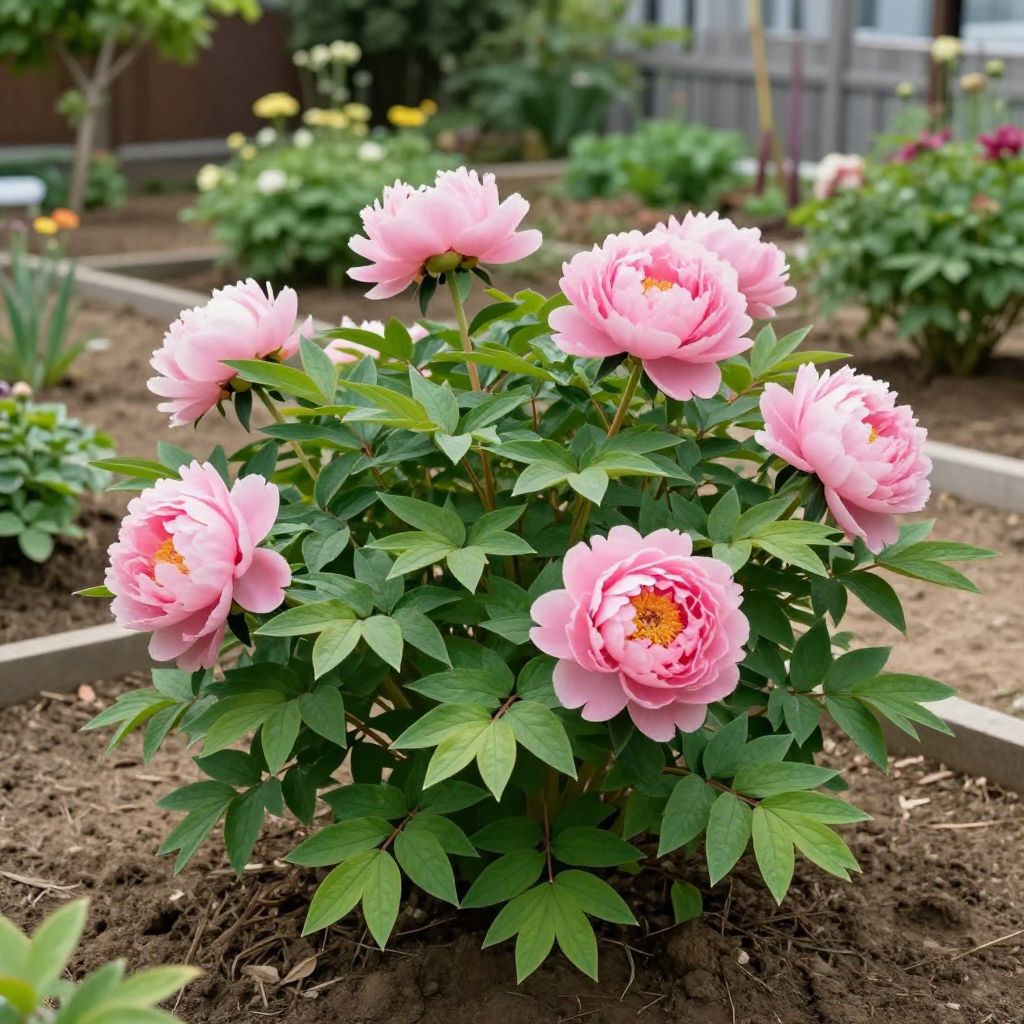
Are peonies expensive? They can be, but not always. The price depends on the type of peony, the size of the plant or root, the season, and whether you’re buying a common garden peony or a rare specialty variety.
The good news is that peonies are often a long-term investment rather than a one-season purchase. Once established, a healthy peony can bloom for decades with very little fuss, which makes the upfront cost easier to justify for many gardeners.
Are peonies expensive?
Peonies are usually moderately priced, but some plants cost much more than others. Small bare-root peonies are often affordable, while mature container plants, named cultivars, and rare Itoh or tree peonies can be significantly more expensive because they take longer to produce and are slower to propagate.
What affects the price of peonies?
Plant type
The biggest price difference usually comes from the type of peony. Herbaceous peonies are often the least expensive, while tree peonies and Itoh peonies tend to cost more because they are slower-growing and more labor-intensive to produce.
- Herbaceous peonies: die back to the ground in winter and are often the most budget-friendly.
- Tree peonies: woody shrubs that are usually pricier.
- Itoh peonies: intersectional hybrids that often sit in the higher price range.
Plant size and age
Young bare-root divisions are usually cheaper than large, established potted plants. Bigger plants may bloom sooner, but you often pay extra for the convenience of a more mature root system.
Rarity and cultivar demand
Named cultivars with unusual flower color, form, or fragrance can cost more, especially if they are in high demand or difficult to propagate. New introductions and collector favorites often carry premium prices.
Where you buy them
Prices vary by source. Local garden centers may charge more for convenience, while mail-order nurseries sometimes offer better selection and lower prices, especially for bare-root plants. Specialty peony growers may be more expensive, but they often provide stronger plants and accurate labeling.
What is a fair price for peonies?
A fair price depends on what you’re buying. In general, a bare-root peony should cost less than a large container plant, and common herbaceous types should cost less than specialty hybrids. If a plant seems unusually cheap, check whether it is properly labeled, healthy, and backed by a reputable seller.
Use this quick buying checklist
- Look for firm, healthy roots or a strong, well-rooted plant.
- Check that the cultivar name is clearly listed.
- Compare shipping costs, not just plant price.
- Inspect for rot, mold, or damaged buds.
- Buy from a source that offers growing instructions or a guarantee.
Why peonies can be worth the cost
Peonies are often expensive upfront because they are slow to grow and divide. But once planted in the right spot, they can live for many years with minimal care, making the cost spread out over a long lifespan.
That long life is one reason gardeners value them so highly. A well-sited peony can return every spring with large, showy blooms and very little maintenance beyond occasional support, cleanup, and patience.
Long-term value matters more than first-year bloom
New peonies often need time to settle in before flowering well. If you judge value only by the first season, they may seem expensive. Over time, though, the cost per year can become quite reasonable compared with annual flowers or short-lived perennials.
How to grow peonies successfully after buying them
If you spend more on a peony, give it the conditions it needs so the plant can thrive. Peonies dislike being moved often, so choose the planting site carefully from the start.
Best planting conditions
- Sunlight: full sun is best in most climates, though light afternoon shade can help in very hot regions.
- Soil: fertile, well-drained soil is essential.
- Drainage: peonies hate soggy roots and may fail in heavy, waterlogged ground.
- Air circulation: good airflow helps reduce fungal problems.
Planting bare-root peonies correctly
- Choose a site with at least several hours of direct sun.
- Loosen the soil deeply and mix in compost if the soil is poor.
- Set the root so the buds, often called “eyes,” are shallowly planted.
- Backfill gently and water to settle the soil.
- Mulch lightly, but keep mulch away from the crown.
One of the most common mistakes is planting peonies too deep. If the buds are buried too far below the surface, the plant may produce leaves but few or no flowers.
Container-grown peonies
If you buy a potted peony, transplant it carefully and avoid burying the crown too deeply. Make sure the container or planting bed drains well, because peonies do not tolerate standing water around the roots.
How to care for peonies so your investment pays off
Watering
Water newly planted peonies regularly while they establish, especially during dry spells. Mature plants usually need less frequent watering, but they still benefit from deep watering during prolonged drought rather than light, shallow sprinkling.
Let your local weather and soil guide you. Sandy soil dries faster, while clay soil holds water longer and may need less frequent irrigation.
Feeding and soil care
Peonies do not need heavy feeding. In many gardens, a modest top-dressing of compost in spring is enough. Avoid overfeeding with high-nitrogen fertilizer, which can lead to lush leaves and weak flowering.
Staking and support
Many peonies, especially large-flowered types, benefit from support before the blooms open. Use a peony ring, plant support, or discreet stakes to keep stems from flopping after rain.
Seasonal cleanup
After frost or when foliage declines, cut herbaceous peony stems back to the ground and remove fallen leaves if disease has been a problem. Clean garden debris helps reduce overwintering pests and fungal spores.
Common peony problems that can make them seem like a bad bargain
Few or no flowers
This is often caused by planting too deeply, too much shade, or moving the plant too often. Peonies may also take a few seasons to settle in after planting, especially bare-root divisions.
Botrytis blight
Cool, wet weather can encourage gray mold and stem rot. Improve airflow, avoid overhead watering late in the day, and remove affected plant parts promptly.
Ants on buds
Ants are commonly found on peony buds, but they are usually not harming the plant. They are attracted to the sugary secretions on the buds and are not a sign that the plant is failing.
Floppy stems
Large blooms can bend stems, especially after rain. Support plants early rather than waiting until they collapse.
How to save money when buying peonies
If you want peonies without overspending, choose the right form and buy at the right time. Bare-root plants are often the best value, especially from reputable growers who ship in the dormant season suitable for your area.
- Choose common herbaceous peonies for lower cost.
- Buy bare-root instead of large potted specimens when possible.
- Look for divisions from trustworthy local growers.
- Compare shipping and handling fees before ordering.
- Be cautious with “rare” listings that lack clear cultivar information.
Also remember that the cheapest plant is not always the best deal. A healthy, correctly labeled peony from a reliable source often saves money and frustration later.
Can you propagate peonies to avoid buying more?
Yes, but peonies are not the easiest plants to divide. Herbaceous peonies can be divided when mature and dormant, but they resent frequent disturbance. Tree peonies are usually propagated differently, and many gardeners find it simpler to buy a new plant than to try propagation at home.
If you do divide an established herbaceous peony, make sure each division has several healthy buds and enough root mass to recover. Even then, expect a period of adjustment before strong blooming returns.
Final thoughts: are peonies expensive for the average gardener?
Peonies can be expensive at purchase, especially rare or mature plants, but they are often excellent value over time. If you give them sun, drainage, and a stable planting spot, they can reward you for many years with very little maintenance.
If you’re planning to buy one, compare plant type, size, and source first, then plant it carefully so it has the best chance to thrive. For more practical flower-garden advice, you may also enjoy reading about how to plant perennials and choosing the best compost for garden soil.