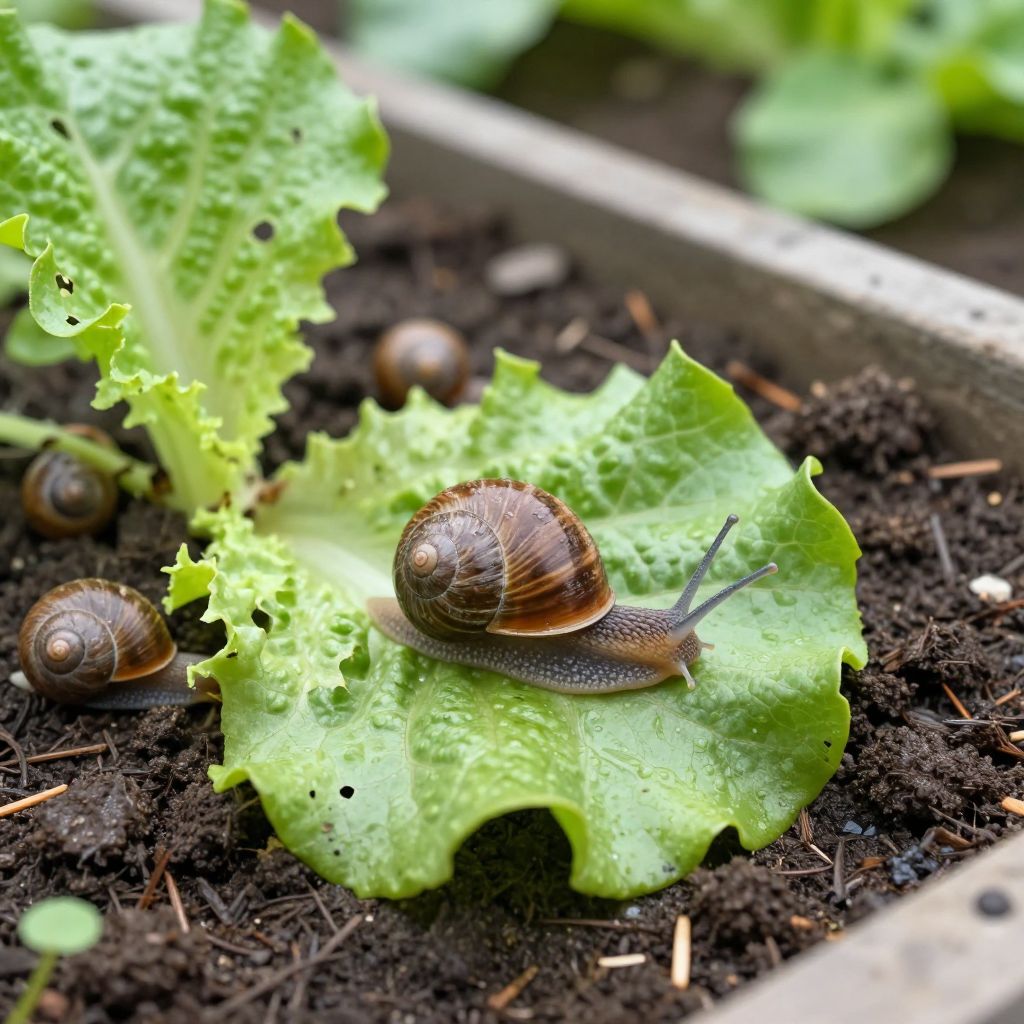
Are snails good for gardens? The short answer is: sometimes, but only in a limited ecological sense. Snails help break down dead plant material and recycle nutrients, yet in most home gardens they are more often a pest than a benefit because they chew leaves, seedlings, and tender stems.
If you’re seeing lots of snails, the real question is whether they’re part of a balanced garden ecosystem or a sign that your beds are too damp, too sheltered, or overrun with soft growth they can easily eat. Knowing the difference helps you decide when to leave them alone and when to manage them.
Are snails good for gardens?
Snails can be beneficial as decomposers because they feed on decaying plant matter and help return nutrients to the soil. However, in most vegetable beds, flower borders, and young plantings, they are not “good” in practical terms because they also damage healthy foliage, seedlings, strawberries, and soft new growth.
What snails actually do in the garden
Snails are part of the soil food web. They prefer moist, shaded conditions and often feed at night or during cloudy weather, which is why damage can seem to appear overnight.
Helpful roles snails can play
- Decomposition: They help break down dead leaves and other soft organic matter.
- Nutrient cycling: Their waste returns some nutrients to the soil after feeding.
- Wildlife support: They can be food for birds, beetles, frogs, toads, and hedgehogs where those animals are present.
Why gardeners usually dislike them
- They chew holes in leaves and flowers.
- They can destroy seedlings before they establish.
- They leave slime trails and messy feeding damage.
- They multiply quickly in damp, sheltered areas.
Most home gardeners should think of snails as minor decomposers, not useful garden helpers to encourage in large numbers.
How to tell whether snails are causing a problem
Snail damage is usually easy to spot once you know what to look for. The signs often show up on tender, low-growing plants first, especially after wet weather.
Common signs of snail feeding
- Irregular holes in leaves, especially near the edges.
- Missing or shredded seedlings.
- Silvery slime trails on pots, paving, or leaves.
- Damage that appears overnight or in damp mornings.
- Chewed hostas, lettuce, basil, marigolds, strawberries, and many young ornamentals.
How to confirm it’s snails
- Check plants at dusk, after dark, or early in the morning.
- Look under pots, boards, stones, and dense mulch.
- Inspect the soil surface around seedlings and soft stems.
- Use a flashlight to catch them feeding.
When snails are a sign of garden imbalance
A few snails are normal in most gardens. A large population usually means conditions are especially favorable for them, not that your garden is failing, but it does mean you may need to adjust the site or your maintenance routine.
Conditions that encourage snails
- Heavy shade and poor air circulation.
- Constantly damp soil or overwatering.
- Thick mulch pressed against stems.
- Overgrown weeds, boards, pots, and debris that provide hiding places.
- Dense plantings with little airflow at soil level.
If your garden stays wet for long periods, focus on drainage and spacing before reaching for control methods. Snails thrive where moisture lingers.
How to reduce snail damage without harming the garden
The best snail management is layered: make the garden less inviting, protect vulnerable plants, and remove snails when you find them. This approach works better than relying on a single quick fix.
1. Improve drainage and airflow
Snails prefer damp hiding places, so reducing moisture at ground level makes a big difference.
- Water in the morning so foliage and soil surfaces dry faster.
- Avoid frequent shallow watering that keeps the top layer wet all day.
- Thin crowded plants where airflow is poor.
- Keep mulch a little away from stems and crowns.
- Remove boards, old pots, and debris that trap moisture.
2. Protect seedlings and tender plants
Young plants are the most vulnerable because snails can wipe them out before they establish roots.
- Use cloches, collars, or mesh covers over seedlings.
- Start vulnerable crops in pots or trays until they are sturdier.
- Plant out seedlings when they are larger and better rooted, if your climate and crop allow it.
- Check new transplants every evening during wet spells.
3. Remove hiding places
Snails need cool, damp shelter during the day. Making those places less available lowers their numbers over time.
- Lift pots and inspect underneath.
- Clear dense weeds around beds and paths.
- Rake away excess leaf litter where it is smothering the soil.
- Keep compost piles tidy and well managed, not scattered across beds.
4. Hand-pick at the right time
Hand-picking is one of the most effective low-impact methods, especially in small gardens.
- Go out at dusk or early morning with a torch.
- Check the undersides of leaves, pot rims, and damp corners.
- Remove snails by hand and place them where they won’t return to the bed.
- Repeat several times a week during peak activity.
5. Use barriers and traps carefully
Some barriers can help protect prized plants, but they work best as part of a broader plan.
- Copper barriers can deter some snails when kept clean and dry.
- Dry, rough surfaces may slow them down, but heavy rain reduces effectiveness.
- Beer traps and similar lures can catch snails, but they need regular cleaning and can attract more than they solve if left unattended.
Be cautious with any control method that can harm beneficial wildlife or pets. Choose the least disruptive option that solves the problem.
What not to do
It is easy to overreact when you see chewed leaves, but some common shortcuts create more problems than they solve.
- Don’t overwater just because plants look dry on the surface; check the soil a few centimeters down first.
- Don’t pile mulch against stems if you already have snail pressure.
- Don’t leave damaged seedlings unprotected after the first signs of feeding.
- Don’t assume all holes are from snails; caterpillars, slugs, beetles, and earwigs can leave similar damage.
- Don’t rely on one tactic alone if the garden stays persistently damp.
Are snails ever worth keeping around?
In a wildlife-friendly garden, a small snail population can be part of the natural balance. If they are only nibbling on dead material in a compost corner or shaded, unmanaged area, they may not need action.
The key is scale. A few snails in the ecosystem are normal; repeated damage to edible crops, seedlings, or prized ornamentals means the balance has shifted and you should intervene.
Best plants to watch closely
Some plants are especially attractive to snails because they are soft, lush, or close to the soil surface. These are the ones to monitor first after rain or during humid weather.
- Lettuce and other salad greens
- Hostas
- Strawberries
- Beans and young peas
- Basil and other tender herbs
- Marigolds and many bedding plants
- Newly planted vegetable seedlings
If these plants are important to your garden, give them extra protection early rather than waiting for obvious damage.
Seasonal timing: when snail pressure is highest
Snail activity usually rises during cool, wet, and humid periods. In many gardens, that means spring and autumn are the most troublesome times, though shaded summer beds can also stay active.
After rain or irrigation
Expect more feeding after wet weather, especially overnight. Check vulnerable plants quickly so you can catch damage early.
During dry spells
Snails often hide deeper in cool refuges and may seem absent. They can reappear fast once moisture returns, so keep monitoring even if you stop seeing them.
Simple maintenance routine for a snail-prone garden
A steady routine is easier than emergency control after damage has spread. Small, regular actions make the garden less attractive to snails over time.
- Inspect vulnerable plants after rain or watering.
- Remove debris and weeds that create damp shelter.
- Check under pots, stones, and boards.
- Protect seedlings with barriers or covers.
- Adjust watering so the soil is moist, not constantly soggy.
- Reassess shaded areas that stay wet too long.
Conclusion: the practical answer for gardeners
So, are snails good for gardens? Only in a limited ecological sense. They help decompose organic matter, but in most home gardens they are more likely to damage plants than improve them. Your best move is to keep a few where they belong in the ecosystem, while protecting seedlings and reducing the damp conditions they love.
If you want to keep learning about healthy garden balance, look for more guidance on soil drainage, mulch use, and protecting young plants from common pests.