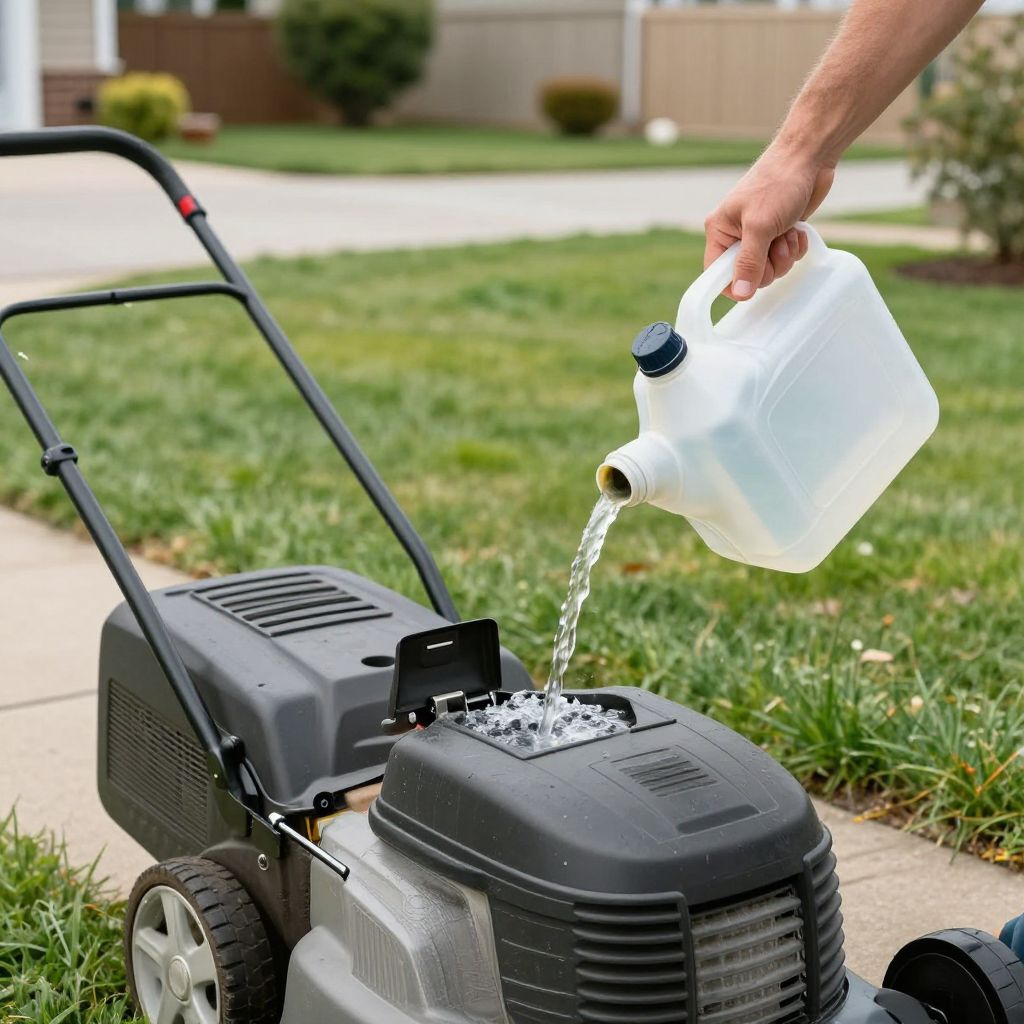
What kind of gas does a lawn mower take? The short answer is: most gas-powered lawn mowers run on fresh unleaded gasoline, usually regular octane, but the exact fuel depends on your mower’s engine and whether it’s a 2-cycle or 4-cycle model. Using the wrong fuel can cause hard starting, rough running, or long-term engine damage.
If you’ve ever stood at the pump wondering what to buy, you’re not alone. The good news is that once you know how to read the manual and understand a few fuel basics, choosing the right gas for your mower becomes simple and routine.
What kind of gas does a lawn mower take?
Most modern walk-behind lawn mowers use fresh, unleaded gasoline with an octane rating of 87 or the lowest regular grade available. For most 4-cycle mowers, use straight gas with no oil mixed in. If you have a 2-cycle mower, the fuel must be mixed with the correct 2-stroke oil in the ratio listed by the manufacturer.
How to tell what fuel your mower needs
The safest answer is always in the owner’s manual or on the mower’s fuel cap, engine label, or warning decal. If the manual is missing, look up the engine model number on the engine itself rather than guessing.
Common mower fuel types
- 4-cycle engines: Use straight unleaded gasoline only.
- 2-cycle engines: Use a gasoline and oil mixture made to the manufacturer’s ratio.
- Electric mowers: Do not use gas at all.
Most residential push mowers and many riding mowers are 4-cycle. Older or smaller specialty equipment may be 2-cycle, especially some trimmers and handheld tools, but lawn mowers are more often 4-cycle today.
Best gas to use in a lawn mower
For most mowers, choose fresh unleaded gasoline from a busy station, ideally without ethanol if it is available and not overly expensive. If ethanol-free fuel is not practical, many mowers can still run on E10 fuel, but gasoline with higher ethanol content is more likely to cause storage and fuel-system problems.
What to look for at the pump
- Fresh fuel: Buy only what you’ll use soon.
- Regular octane: Usually 87 is enough for small engines.
- Low ethanol if possible: Better for storage and rubber parts.
- Clean container: Use a dedicated gas can, not a dirty bucket or old jug.
Higher octane gas is usually unnecessary unless the engine manual specifically calls for it. In most lawn mower engines, premium fuel does not improve mowing performance or engine life enough to justify the extra cost.
Should you use ethanol-free gas?
Ethanol-free gasoline is often the best choice for small engines because it stores better and is less likely to absorb moisture. That said, not every area has easy access to it, and many mowers run fine on standard unleaded fuel if you store it properly and avoid letting it sit for months.
Why ethanol can be a problem
- It can attract moisture during storage.
- It may contribute to stale fuel and varnish buildup.
- It can damage some older fuel lines, gaskets, and carburetor parts over time.
If you only mow regularly during the season and use fuel quickly, standard fuel is often workable. The trouble usually starts when gasoline sits in the tank, fuel line, or carburetor for too long.
How to use gas safely in a lawn mower
Fueling a mower is simple, but a few habits make a big difference in reliability and safety. Always fill the mower outdoors, on level ground, with the engine off and cool.
- Turn the mower off and let it cool.
- Clean dirt and grass from around the fuel cap.
- Open the cap slowly to release pressure, if any.
- Pour fuel carefully to avoid spills.
- Wipe up drips before starting the engine.
- Store the gas can away from heat, sparks, and direct sun.
Never add gas to a hot mower engine. Spilled fuel can ignite, and hot engine parts can flash fuel vapors very quickly.
What happens if you use the wrong gas?
Using the wrong fuel may not cause immediate failure, but it can create starting and running issues. The most common problems are rough idle, sputtering, poor acceleration, fuel leaks, and difficulty starting after storage.
Typical fuel mistakes and fixes
- Old gas: Drain it and replace it with fresh fuel.
- Wrong mix in a 2-cycle engine: Empty the tank and refill correctly.
- Too much ethanol: Use fresher fuel and consider ethanol-free gas next time.
- Water-contaminated fuel: Drain the tank and carburetor, then refill.
If the mower ran fine last season but now won’t start, stale fuel is one of the first things to check. In many cases, fuel issues are more common than spark plug failure or major engine damage.
How long does mower gas last?
Gasoline does not stay fresh forever. In a vented mower tank, fuel can begin to degrade in as little as a month or two, especially in warm weather or if it contains ethanol. Fuel left over from last season is a common cause of spring-start problems.
Signs gasoline has gone bad
- Strong sour or varnish-like smell
- Darkened or cloudy appearance
- Engine starts but won’t keep running
- Hard starting after storage
For best results, buy only enough fuel for a few weeks of mowing. If you need to store gas longer, use a fuel stabilizer according to the product label and the mower manual.
Should you add fuel stabilizer?
Fuel stabilizer can help slow gasoline breakdown during storage, especially if you won’t use the mower for a while. It is most useful when you treat fresh fuel before it ages, not after it has already gone stale.
Good times to use stabilizer
- Before winter storage
- When you mow less often and fuel sits in the tank
- If you live in a hot climate where fuel degrades faster
Stabilizer is not a cure for very old fuel. If gas has been sitting for a long time and the mower is acting up, draining and replacing it is usually the better fix.
2-cycle vs 4-cycle: why it matters
Knowing whether your mower has a 2-cycle or 4-cycle engine is essential because the fuel requirements are different. A 4-cycle mower has separate oil and gas systems, while a 2-cycle engine relies on oil mixed into the fuel for lubrication.
Quick comparison
- 4-cycle: Gas only in the tank; engine oil goes in a separate crankcase.
- 2-cycle: Gas and oil premixed together in the correct ratio.
If you accidentally put mixed fuel into a 4-cycle mower, it may smoke, foul the spark plug, and run poorly. If you put straight gas into a 2-cycle engine, you risk serious engine damage because it will not be lubricated properly.
Practical troubleshooting for fuel-related mower problems
When a mower won’t start or runs badly, fuel is one of the easiest things to check first. A simple inspection can save time and prevent unnecessary repairs.
- Check that the tank has fresh fuel.
- Make sure the fuel shutoff valve, if present, is open.
- Inspect the fuel line for cracks or leaks.
- Look for a dirty air filter that may be restricting airflow.
- Check the spark plug if the fuel is fresh but the engine still struggles.
If the mower sat unused for months, the carburetor may need cleaning because old fuel can leave deposits inside it. That’s especially common after winter storage.
Storage tips that help your mower run better
Good storage habits are one of the easiest ways to keep a lawn mower reliable from season to season. A little care now prevents annoying startup problems later.
- Use fresh fuel and avoid overfilling the tank.
- Run the mower dry or follow the manual’s storage advice.
- Store fuel in an approved container with a tight cap.
- Keep the mower in a dry, sheltered place.
- Check the air filter, spark plug, and blade before the next mowing season.
Do not store gasoline in the mower for months unless the manual says it is acceptable and the fuel has been treated appropriately. Stale fuel is one of the most common maintenance headaches for home gardeners.
Final answer: what gas should you buy?
For most lawn mowers, buy fresh regular unleaded gasoline, ideally with low or no ethanol, and use straight fuel unless your mower is specifically a 2-cycle model that requires an oil mix. When in doubt, check the manual or engine label before filling the tank.
Before your next mow, take a minute to confirm your engine type and fuel needs, then use fresh gas from a clean container. If you want to keep your mower starting easily all season, you may also find it helpful to read more about what kind of oil a lawn mower takes.