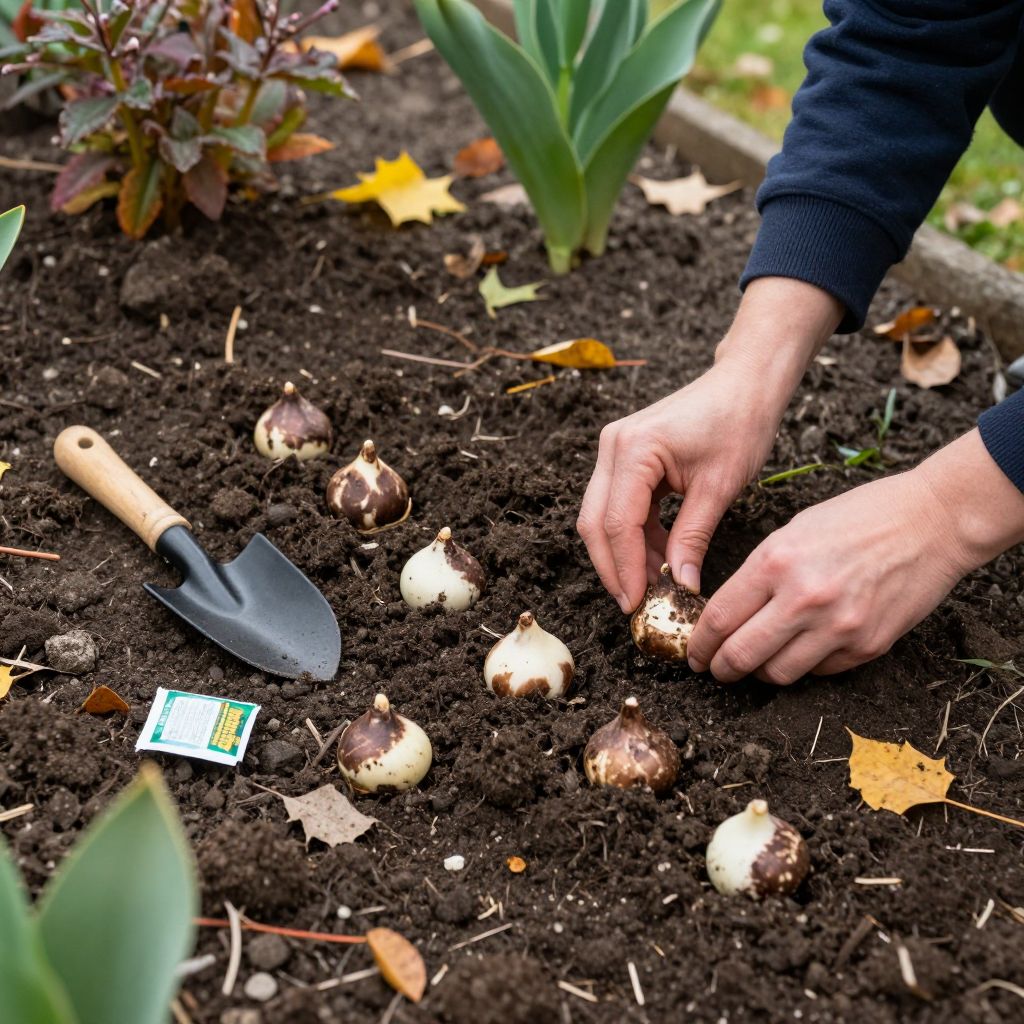
Wondering when should you plant tulip bulbs so they bloom well in spring? The short answer is to plant them in autumn, after the soil has cooled but before it freezes hard. In most climates, that means roughly 6 to 8 weeks before the ground freezes, giving bulbs time to root without starting top growth.
Timing matters because tulips need a cold period to flower properly. Planting too early can encourage weak growth or rot in warm, wet soil, while planting too late may leave bulbs unable to root before winter sets in.
When should you plant tulip bulbs?
Plant tulip bulbs in fall, ideally when daytime temperatures are cool and soil temperatures are consistently below about 60°F (16°C). The best window is usually mid-fall in colder regions and late fall in milder climates, always before the ground freezes. Tulips need a cold winter rest to bloom well in spring.
How to time planting by climate
Because local weather varies, use your climate and soil conditions rather than a fixed calendar date. A good rule is to plant after the first light frosts have begun, but before the soil becomes too cold or wet to work.
Cooler climates
In colder regions, tulip planting often happens in early to mid-autumn. You want enough time for roots to form before winter, but not so much warmth that leaves emerge.
Milder climates
In warmer areas, planting may be delayed into late fall or early winter if the soil stays workable. The key is still to give bulbs a long enough cold period afterward. If winters are very mild, some tulips may perform better as annuals or need pre-chilled bulbs.
Watch the soil, not just the calendar
Soil temperature is more reliable than the date. If the ground is still warm from summer, bulbs can sprout too soon. If it is frozen or waterlogged, wait until conditions improve.
Why fall planting works best
Tulips are spring-flowering bulbs that need a cold dormancy period to trigger bloom. When you plant in fall, the bulb can grow roots in cool soil, then rest through winter and send up strong shoots in spring.
Planting in spring usually does not work well outdoors because the bulb has missed its natural cold period. You may get foliage, but flowering is often poor or absent.
How to plant tulip bulbs correctly
Good planting technique matters as much as timing. Tulips do best in well-drained soil, full sun, and a planting depth that protects the bulb from temperature swings and pests.
- Choose a sunny site. Tulips bloom best with at least 6 hours of sun a day.
- Check drainage. Avoid spots where water pools after rain or snowmelt.
- Loosen the soil. Work the bed to a depth of about 8 to 12 inches.
- Plant at the right depth. Set bulbs about 6 to 8 inches deep, or roughly 2 to 3 times the bulb height.
- Space bulbs properly. Leave about 4 to 6 inches between bulbs for a fuller display.
- Place bulbs pointy end up. If you cannot tell, plant them on their side; they will usually right themselves.
- Water once after planting. This helps settle the soil around the bulbs.
Soil and compost
Tulips prefer fertile, loose soil that drains well. If your soil is heavy clay, mix in compost to improve structure, but avoid making the planting hole into a water-holding pocket. In very rich soil, tulips may produce more leaves than flowers, so moderate fertility is usually best.
Mulch or not?
A light mulch can help protect bulbs in colder areas and reduce soil heaving. Keep mulch loose and do not bury the planting area too deeply, or shoots may struggle to emerge in spring.
What happens if you plant tulip bulbs too early or too late?
Planting too early can expose bulbs to warm soil, which may encourage premature sprouting or rot. Planting too late can limit root growth, leading to weaker blooms and more winter damage. If you miss the ideal window, plant as soon as conditions allow rather than leaving bulbs unplanted in storage for too long.
If you buy bulbs before planting time
Store them in a cool, dry, well-ventilated place until planting. Keep them away from fruit, especially apples, which release ethylene gas that can damage bulbs. Do not store tulip bulbs in sealed plastic bags or damp basements.
How to care for tulips after planting
Once planted, tulips need relatively little attention through winter. The main goal is to keep the bulbs from sitting in soggy soil and to protect emerging shoots in spring.
- Water only if needed. After the initial watering, fall rain is often enough in many climates.
- Avoid overwatering. Wet soil is one of the main causes of bulb rot.
- Protect from digging animals. Squirrels, chipmunks, and voles may disturb bulbs.
- Remove spent flowers in spring. Deadhead blooms so the plant does not waste energy on seed production.
Should you cut back tulips after they bloom?
Do not cut the foliage immediately after flowering. Let the leaves stay until they yellow naturally, because they feed the bulb for next year’s bloom. You can remove the flower stalk after blooming, but keep the leaves intact until they fade.
Common tulip planting mistakes to avoid
A few simple errors can reduce flowering or shorten bulb life. Avoiding these will give you a much better chance of strong spring color.
- Planting in poorly drained soil. Tulips hate sitting in water.
- Planting too shallow. Shallow bulbs are more likely to freeze, heave, or get eaten.
- Choosing deep shade. Tulips need sun for strong blooms.
- Overcrowding bulbs. Tight spacing can limit airflow and reduce flowering over time.
- Removing foliage too soon. This weakens the bulb for future seasons.
Pests and diseases to watch for
Tulips are generally easy to grow, but they can be affected by a few common problems. Prevention starts with healthy bulbs and good drainage.
Rodents
Squirrels, mice, and voles may dig up bulbs or eat them. Planting bulbs a little deeper, using bulb cages, or covering the bed with chicken wire until the soil settles can help.
Bulb rot
If bulbs turn soft or moldy, excess moisture is often the cause. Improve drainage and avoid planting in areas that stay wet after rain.
Fungal issues
Cool, damp conditions can sometimes lead to fungal disease. Space bulbs properly, avoid overhead watering, and remove any diseased plant material promptly.
Can you grow tulips in containers?
Yes, tulips grow well in pots if the container drains freely and is deep enough for proper bulb depth. Container-grown bulbs are often more exposed to winter cold, so pots may need extra insulation in freezing climates.
- Use a pot with drainage holes.
- Plant bulbs close together for a fuller display, but do not let them touch.
- Use a free-draining potting mix.
- Keep the pot outdoors so bulbs receive winter chill.
In very cold weather, move pots to a sheltered spot or wrap them to reduce freeze-thaw damage. In mild climates, make sure the container still gets enough winter chill to support flowering.
What to expect in spring
When tulips are planted at the right time, you should see shoots emerge in early spring as temperatures rise. Bloom time depends on variety, weather, and your location, but healthy bulbs usually produce the best display when they have had proper fall planting and winter chilling.
If blooms are smaller than expected, the most common reasons are shallow planting, poor drainage, too much shade, or foliage being removed too early the previous year. Healthy leaves after bloom are what help the bulb build strength for the next season.
Quick planting checklist
- Plant in fall, before the ground freezes.
- Wait until soil is cool, not warm.
- Choose a sunny, well-drained spot.
- Plant 6 to 8 inches deep.
- Water once after planting, then let rainfall do the rest unless conditions are very dry.
- Leave foliage on the plant until it yellows naturally after bloom.
If you want to plan your spring display well, start by checking your local frost dates and soil conditions now. Then plant tulip bulbs in the fall window that fits your climate, and you will give them the best chance to root, rest, and bloom beautifully next spring.