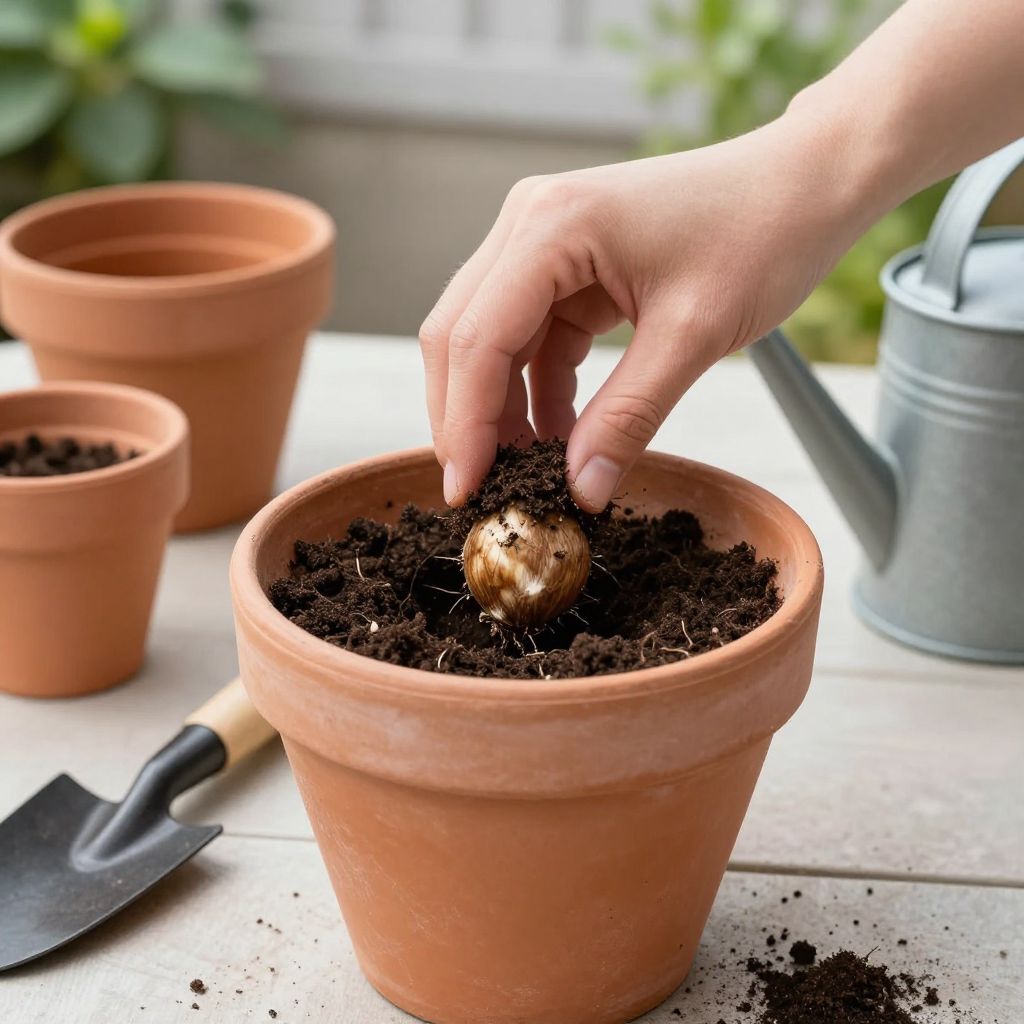
Wondering when to plant dahlias in pots so they grow strongly and bloom well? Timing matters because dahlias dislike cold soil and frost, but they also need enough time to establish before summer heat and flowering season.
The best planting time depends on your climate, but in most areas you should pot up dahlias after the last frost, once the soil or potting mix is consistently warm. If you start them too early, tubers can rot; too late, and flowering may be delayed.
When to plant dahlias in pots?
Plant dahlias in pots in spring after frost danger has passed and nighttime temperatures are reliably mild. In cool climates, wait until the potting mix is at least about 60°F (16°C); in warmer regions, you can start earlier, but tubers should never sit in cold, wet compost. If needed, begin indoors and move pots outside gradually.
Best planting time by climate
Because local weather varies so much, use soil temperature and frost risk rather than the calendar alone. Dahlias are tender, so the safest time is when nights are no longer cold and your container can stay outdoors without being damaged by frost.
Cool climates
- Start dahlias in pots indoors or in a sheltered, frost-free place in spring.
- Move them outside only after the last frost and when nights are consistently above about 50°F (10°C).
- If spring stays chilly, keep pots under cover or in a greenhouse until conditions improve.
Temperate climates
- Plant tubers in pots in mid- to late spring, once the soil has warmed.
- Choose a sunny, sheltered spot that protects the container from cold wind.
- Watch for late frosts and be ready to move pots indoors temporarily if needed.
Warm climates
- You can often plant earlier in spring, but avoid very hot spells when young growth may struggle.
- Provide afternoon shade in intense heat if your container dries quickly.
- In very mild areas, some gardeners plant in late winter, but only if frost is not expected.
How to plant dahlias in pots
Use a container that gives the tubers room to grow and drains freely. Dahlias perform best in rich, airy compost that holds moisture without staying soggy, because wet conditions are a common cause of rot.
Choose the right pot
- Use a pot with drainage holes.
- A medium to large container is usually better than a small one, especially for taller varieties.
- Heavier pots help prevent tall dahlias from toppling in wind.
Use a suitable potting mix
- Choose a high-quality potting mix or peat-free compost designed for containers.
- Mix in some well-rotted compost if the blend is very lean, but do not make it heavy and sticky.
- Avoid garden soil in pots, since it compacts and drains poorly.
Planting steps
- Fill the pot partway with compost.
- Place the tuber horizontally with the crown near the surface and any visible shoot pointing up.
- Cover with a few inches of compost, leaving the crown just below the surface.
- Water lightly after planting, then wait for growth before watering heavily.
- Keep the pot in a bright, frost-free place until shoots appear if conditions are still cool.
Important: do not bury tubers too deeply or keep them constantly wet before they sprout. Dahlias need moisture, but excess water in cold compost can quickly cause failure.
Sunlight, temperature, and placement
Dahlias in pots need plenty of light to flower well. Most varieties do best in full sun, though in very hot regions they may appreciate some afternoon shade to reduce stress and drying out.
- Give at least 6 hours of direct sun where possible.
- Place pots where air circulates well, but avoid harsh, drying wind.
- Rotate containers occasionally so growth stays even.
Containers heat up and dry out faster than garden beds, so placement matters. A sunny patio may be ideal in spring, but in midsummer you may need to monitor moisture more closely.
Watering dahlias in pots
Watering is one of the biggest differences between potted and in-ground dahlias. Pots dry faster, but overwatering is just as risky, especially before the plant has rooted in.
Watering basics
- After planting, water sparingly until shoots emerge.
- Once growth starts, water deeply when the top layer of compost feels dry.
- In hot weather, pots may need checking daily.
Try to water the compost, not the foliage. Wet leaves can encourage disease, especially if the plant is crowded or airflow is poor.
Feeding and supporting container dahlias
Once dahlias are growing, they benefit from regular feeding, but too much nitrogen can produce leafy plants with fewer flowers. A balanced approach helps them bloom steadily through summer and into autumn.
- Use a balanced liquid feed once the plant is actively growing.
- Avoid overfeeding early on, especially before the plant has developed leaves and roots.
- Switch to a flowering-focused routine if growth becomes very leafy but blooms are sparse.
Taller dahlias in pots often need support. Insert a stake at planting time or soon after, so you do not damage roots later. Tie stems loosely as they grow.
Pinching, pruning, and deadheading
To encourage a bushier plant, many gardeners pinch out the growing tip when the plant is young and has several sets of leaves. This can help container dahlias stay compact and produce more sideshoots.
Simple maintenance tasks
- Pinch young plants if you want a fuller shape.
- Remove spent flowers regularly to keep blooms coming.
- Cut back damaged or weak stems to improve airflow.
If your dahlia variety is naturally compact, it may need less pinching. If it is tall and vigorous, pinching can make it easier to manage in a pot.
Common problems when planting dahlias in pots
Most container problems come from timing, drainage, or temperature. Catching issues early usually saves the plant.
Rotting tubers
- Cause: cold, wet compost or overwatering before sprouting.
- Fix: let the mix dry slightly, improve drainage, and plant only when conditions are warmer.
Weak growth
- Cause: too little light, poor soil, or a pot that is too small.
- Fix: move to a sunnier spot and repot if the container is cramped.
Few flowers
- Cause: too much shade, excess nitrogen, or planting too late.
- Fix: increase sun exposure, reduce high-nitrogen feeding, and start earlier next season.
Pests and diseases
- Slugs and snails may chew new shoots.
- Aphids can cluster on soft growth.
- Powdery mildew may appear if airflow is poor and foliage stays damp.
Check plants regularly, especially in warm, humid weather. Early action is easier than trying to rescue a heavily affected plant later.
Overwintering potted dahlias
In colder climates, many gardeners lift and store tubers for winter rather than leaving pots outside. If you want to keep the same plant, reduce watering as growth slows, then protect the tubers from frost.
- Let foliage die back naturally after the season if possible.
- Cut stems down once the plant is finished.
- Store tubers in a cool, dry, frost-free place if your climate is cold enough to freeze pots solid.
If your winters are mild, some potted dahlias may survive outdoors with protection, but container-grown roots are more exposed than in-ground plants. Local winter conditions should guide your choice.
Quick checklist for success
- Wait until frost risk has passed.
- Use a pot with drainage holes.
- Plant in warm, free-draining compost.
- Keep tubers lightly moist, not soggy.
- Give full sun and shelter from strong wind.
- Stake tall varieties early.
- Deadhead regularly for more blooms.
Final thoughts
When to plant dahlias in pots comes down to one simple rule: wait for warmth and avoid frost. If you plant at the right time, use a free-draining container mix, and keep the pot in a bright spot, your dahlias will have the best chance of strong growth and reliable flowering.
For more container-growing ideas, you may also enjoy reading about how to choose the best potting mix for flowers and tips for growing summer bulbs in containers.