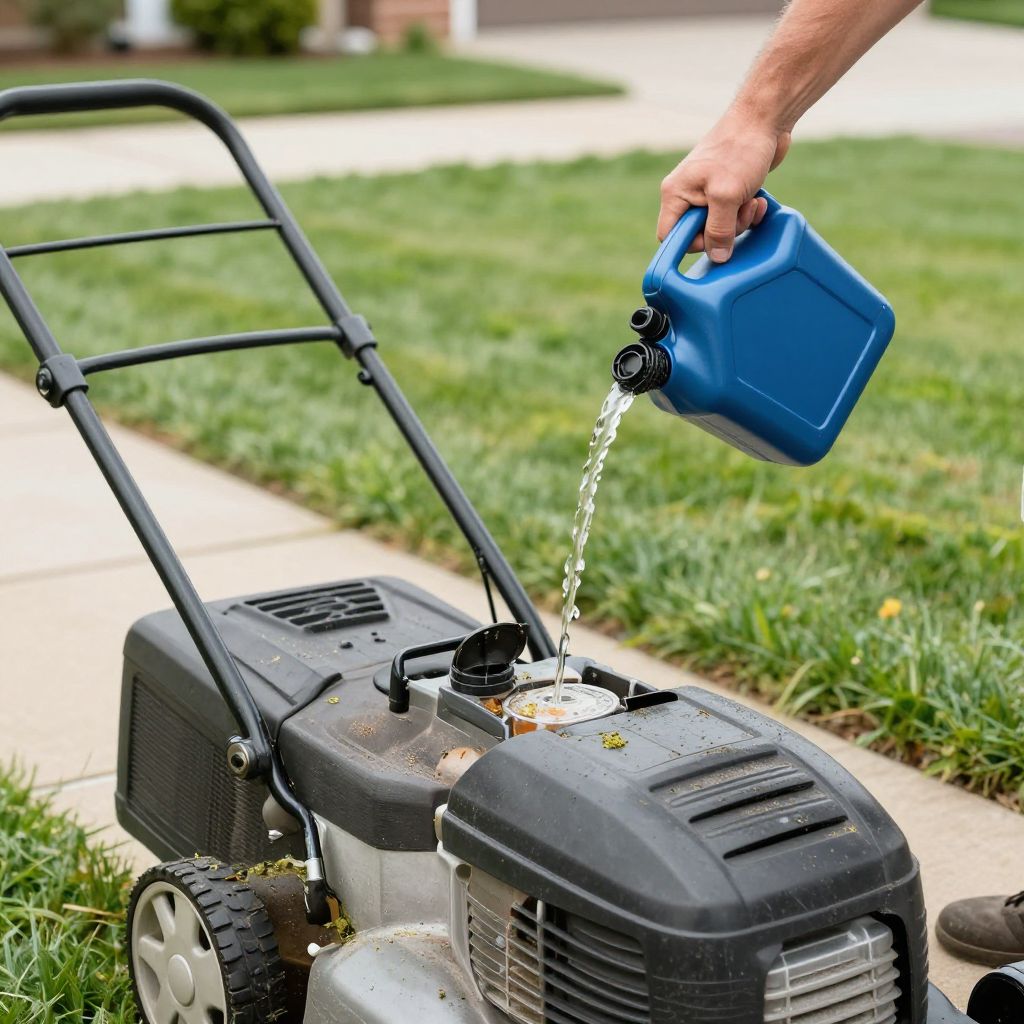
What kind of gas for lawn mower should you use? The short answer is fresh, clean unleaded gasoline that matches your mower’s manual, with most modern four-cycle mowers running well on regular fuel and many small engines preferring ethanol-free gas when it’s available.
Using the right fuel helps your mower start easier, run smoother, and last longer. The wrong gas can cause hard starting, rough idling, clogged carburetors, and avoidable repairs, especially if fuel sits in the tank between mowing sessions.
What kind of gas for lawn mower should you use?
For most lawn mowers, use fresh unleaded gasoline with an octane rating of 87 or higher, unless your owner’s manual says otherwise. Avoid old fuel, and if possible choose gas with no more than 10% ethanol. For small engines, ethanol-free fuel is often the most reliable option.
Know your mower type before filling the tank
Not all mowers use fuel the same way. The right gas depends on whether you have a four-cycle mower, a two-cycle engine, or a battery model with a gas-powered companion tool in your yard.
Four-cycle mowers
Most walk-behind and riding mowers use four-cycle engines. These take straight gasoline in the tank; do not mix oil into the fuel unless the manufacturer specifically says to do so.
Two-cycle engines
Some older or smaller yard tools use two-cycle engines, which require a gas-and-oil mix. If you are working with a mower, trimmer, or blower that uses this system, follow the exact ratio listed in the manual rather than guessing.
Battery mowers
Battery-powered mowers do not use gas at all. If you own one, the fuel question does not apply, but the same storage and maintenance mindset still helps you keep your equipment in good shape.
Best gas choices for lawn mowers
When shopping at the pump, the goal is simple: clean fuel, minimal moisture, and less chance of engine trouble. These are the most practical options for home gardeners.
- Regular unleaded gasoline is usually fine for most mowers.
- Fresh fuel is better than fuel that has been sitting for weeks or months.
- Ethanol-free gas is often the best choice if you can get it locally.
- Fuel with up to 10% ethanol is commonly allowed, but it can cause storage problems if left too long.
If you are unsure, check the mower manual first. Manufacturers design engines around specific fuel tolerances, and that guidance should always override general advice.
Why ethanol matters
Ethanol is blended into many gasoline products, and it can absorb moisture from the air. That is a problem for small engines because moisture and fuel separation can lead to rough running, corrosion, and starting issues after storage.
When ethanol-free fuel helps
Ethanol-free fuel is especially useful if you:
- mow only occasionally
- store fuel for more than a few weeks
- have had carburetor issues in the past
- live in a humid climate
It is not always necessary, but it can reduce headaches for gardeners who use their mower seasonally rather than every few days.
How fresh should mower gas be?
Fresh fuel matters more than many gardeners realize. Gasoline starts to degrade over time, and stale fuel can gum up the carburetor, make starting difficult, and reduce engine performance.
- Buy only what you will use in a reasonable time.
- Use a clean, approved fuel container.
- Label stored fuel with the purchase date.
- Do not keep old fuel in the mower over the off-season.
If fuel has been sitting for months and smells sour or looks cloudy, it is safer to replace it rather than try to run it through the engine.
Should you use premium gas in a lawn mower?
Usually, no. Premium fuel is not automatically better for a lawn mower. Most small engines are designed to run on regular unleaded gasoline, and using a higher octane than recommended rarely improves performance.
What matters more is freshness, proper storage, and the fuel specification in your manual. Paying extra for premium gas does not fix carburetor problems, stale fuel, or poor maintenance.
How to fuel a lawn mower safely
Refueling may seem simple, but a few careful habits can prevent spills, fire risk, and engine trouble. Work outdoors or in a well-ventilated area, and let the engine cool before adding fuel.
- Shut off the mower and wait for the engine to cool.
- Place the mower on level ground.
- Use a clean fuel can and a funnel if needed.
- Fill slowly to avoid overfilling.
- Leave a little space in the tank for expansion.
- Wipe up any spills before starting the engine.
Never refuel a hot engine. Gasoline vapors can ignite, and a small spill on a warm muffler can create a serious hazard.
Common gas-related mower problems
If your mower will not start or runs poorly, fuel is often part of the problem. Before assuming the engine is worn out, check the gas and the fuel system.
Hard starting
Old fuel, water-contaminated fuel, or a clogged carburetor can make starting difficult. Drain stale gas and refill with fresh fuel if the mower has been sitting.
Rough running or stalling
Fuel separation, debris in the tank, or a dirty air filter can cause sputtering and stalling. Start with the simplest fixes first: fresh gas, clean air filter, and a quick look for blocked fuel lines.
Fuel smell or leaks
If you smell gas strongly, check for loose caps, cracked fuel lines, or an overfilled tank. Do not keep using the mower until the leak is found and corrected.
White or dark residue in the tank
Residue can point to old fuel or contamination. Drain the tank, clean what you can safely access, and refill with fresh gasoline before trying again.
Seasonal fuel tips for home gardeners
Mowers are often used heavily in spring and summer, then stored for longer periods. Your fuel strategy should change with the season.
During mowing season
Keep fuel fresh and rotate your supply so the oldest gas gets used first. If you mow weekly, you may not need fuel stabilizer, but it can still help if fuel sits in the can for a while.
Before storage
At the end of the mowing season, either run the tank nearly empty according to the manufacturer’s advice or use a stabilizer and store the mower properly. The best approach depends on the engine design and your manual’s instructions.
At the start of the season
Do not assume last year’s gas is still usable. If the mower has been idle for months, start with fresh fuel and inspect the tank, cap, and lines before mowing the lawn.
Fuel storage tips that save repair bills
Good storage habits protect both your mower and your yard work schedule. A little care now can prevent a frustrating no-start problem later.
- Store gasoline in approved containers only.
- Keep fuel in a cool, dry place away from direct sun.
- Tighten the cap securely after each use.
- Do not store fuel near fertilizers, pesticides, or ignition sources.
- Use stabilizer if you know the fuel will sit for an extended period.
Even with stabilizer, fuel does not last forever. If it looks stale or the mower starts acting up, fresh gas is often the simplest fix.
What not to do
Many mower problems come from a few avoidable mistakes. These are the most common ones to steer clear of.
- Do not use diesel in a gasoline mower.
- Do not mix oil into a four-cycle mower’s gas tank.
- Do not use very old fuel.
- Do not overfill the tank.
- Do not ignore the owner’s manual.
If your mower manual gives a specific fuel recommendation, follow it. That is the most reliable guide for your exact model.
Quick troubleshooting checklist
If the mower is acting up, this simple checklist can help you narrow down the cause before you call for service.
- Check whether the fuel is fresh.
- Confirm you used the correct gasoline type.
- Look for water, debris, or a bad smell in the tank.
- Inspect the fuel cap, lines, and primer bulb if equipped.
- Clean or replace the air filter.
- Review the manual for storage and starting instructions.
If the mower still will not run after fresh fuel and basic checks, the carburetor or ignition system may need professional attention.
Conclusion: choose clean fuel and keep it fresh
The best answer to what kind of gas for lawn mower is usually simple: use fresh unleaded gasoline that matches your manual, avoid stale fuel, and choose ethanol-free gas when practical. That one habit can prevent many starting and performance issues.
Before your next mow, check the fuel in the tank and the can, then replace anything old or questionable. For more mower maintenance help, you may also want to read what kind of oil a lawn mower takes.