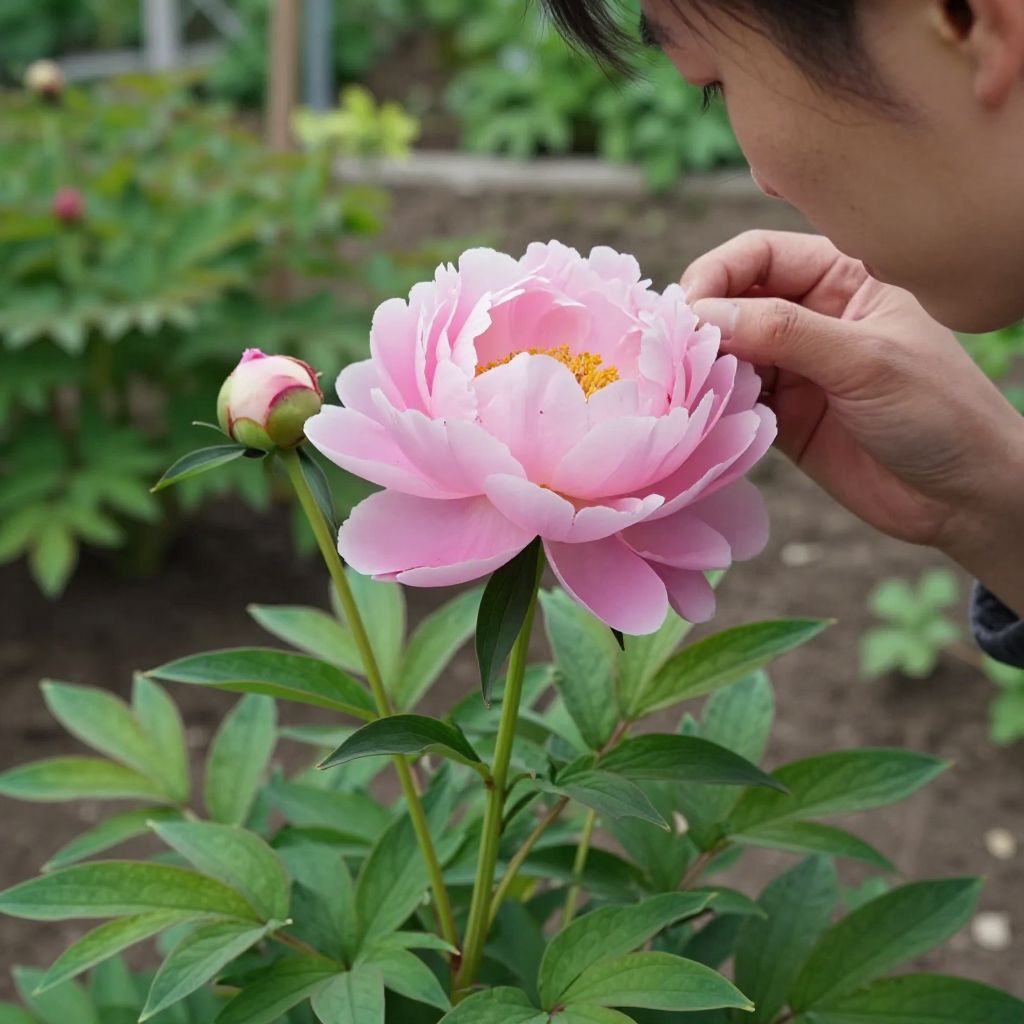
What does peony smell like? If you’ve ever leaned over a bloom and expected a strong floral scent, the answer may surprise you. Some peonies are richly fragrant, some are lightly sweet, and some have almost no noticeable scent at all.
The fragrance depends on the peony type, cultivar, bloom stage, and even weather. If you’re choosing peonies for scent or trying to identify one in your garden, it helps to know what to look for and how growing conditions affect the flowers.
What does peony smell like?
Peony fragrance is usually soft, fresh, and floral, with notes that may seem sweet, rosy, citrusy, spicy, or slightly green. Some cultivars are strongly scented, while others are nearly scentless. The smell is often strongest on warm, still days when blooms are fully open and freshly picked.
How to describe peony fragrance
There isn’t one single peony scent. Different peonies can smell very different, even within the same garden.
Common scent notes you may notice
- Sweet and floral — the most common impression, often described as clean and elegant.
- Rose-like — many gardeners compare some peonies to old-fashioned roses.
- Fresh and citrusy — a lighter, brighter scent in certain cultivars.
- Spicy or clove-like — sometimes noticeable in double-flowered types.
- Green or powdery — subtle background notes that make the fragrance feel softer.
Some people find peony scent delicate and graceful, while others barely detect it. Your nose, the weather, and the flower’s age all matter.
Why some peonies smell stronger than others
- Cultivar differences — some varieties are bred more for bloom form and color than fragrance.
- Flower stage — scent often increases as buds open fully.
- Temperature — warm days can intensify fragrance; cool weather may mute it.
- Time of day — scent is often easier to notice in the morning or early evening.
- Plant health — stressed plants may bloom less vigorously and smell weaker.
Which peonies are most fragrant?
Fragrance is more common in some herbaceous peonies and intersectional peonies, but it can appear in tree peonies too. If scent matters to you, buy from a nursery that lists fragrance descriptions instead of relying only on flower color or bloom size.
What to ask before buying
- Does the cultivar have a strong, medium, or light fragrance?
- Is the scent sweet, rose-like, spicy, or mild?
- Does the fragrance hold up well in warm weather?
- Is the plant suited to your climate and soil?
Tip: If possible, smell the flower in person before buying. Fragrance is subjective, and online descriptions can be vague.
How peony scent changes as the flower opens
A peony bud often smells different from a fully open bloom. In many cases, the fragrance is faint at first and becomes more noticeable when the flower reaches peak opening.
What to expect at each stage
- Tight bud: usually little or no scent.
- Softening bud: fragrance may begin to appear.
- Fully open bloom: often the strongest scent stage.
- Late bloom: scent may fade as petals age.
If you want the best fragrance, check blooms when they are open but still fresh. Rain, heat, and wind can shorten the period when scent is easiest to detect.
Growing peonies for better fragrance
You cannot force a peony to become strongly scented if the cultivar is naturally mild, but good growing conditions help the plant produce healthier, fuller flowers. Strong, well-formed blooms are more likely to show their natural fragrance clearly.
Sunlight
Peonies generally flower best in full sun, though light afternoon shade can help in very hot climates. More sun usually means stronger stems and better bloom performance, which can improve the overall fragrance experience.
Soil and drainage
Peonies prefer fertile, well-drained soil. Heavy, waterlogged soil can weaken plants and reduce flowering quality.
- Work in compost to improve structure and organic matter.
- Make sure water drains away after rain.
- Avoid planting in low spots where roots stay wet.
Important: Peonies hate soggy soil. Poor drainage is one of the most common reasons for weak growth and disappointing blooms.
Watering
Water young plants regularly while they establish, then water deeply during dry spells rather than giving frequent shallow sprinkles. Mature peonies usually need less attention, but prolonged drought can reduce bloom size and scent intensity.
Feeding and compost
A light annual top-dressing of compost is often enough for established peonies in average garden soil. Too much nitrogen can encourage leafy growth at the expense of flowers, which may reduce the chance of enjoying a strong floral display.
How to tell if a peony has fragrance problems
If your peony should be fragrant but seems scentless, the issue may be environmental rather than genetic. Before assuming the plant is wrong for your garden, check a few common factors.
Possible reasons the scent seems weak
- The bloom is not fully open yet.
- The day is cool, windy, or rainy.
- The plant is young and still establishing.
- The site is too shady.
- The soil is too dry or too wet.
- You may have chosen a naturally mild cultivar.
Try smelling several blooms at different times of day. One flower may seem faint while another on the same plant is noticeably scented.
Practical care tips for healthy peonies
Good general care supports better flowering, and better flowering makes fragrance easier to enjoy. Peonies are long-lived perennials, so small improvements in site and maintenance can pay off for years.
Planting and spacing
Give peonies room to grow so air can circulate around the foliage. Crowded plants are more prone to disease and may flower less freely.
- Choose a site with good air movement.
- Do not bury the crown too deeply when planting.
- Leave enough space so mature plants are not competing heavily with neighbors.
Pruning and cleanup
After flowering, remove spent blooms if you want a tidier plant, but leave healthy foliage in place until autumn. The leaves feed the roots for next year’s growth.
In fall, cut back dead stems and remove any fallen foliage to reduce disease carryover. Clean tools before moving between plants if you’ve had disease issues.
Pests and diseases
Peonies are fairly tough, but weak or crowded plants can develop problems that affect flowering quality.
- Botrytis blight can damage buds and stems in wet weather.
- Powdery mildew may appear in humid conditions or poor air circulation.
- Ants are often seen on buds, but they are usually not harming the plant.
Ants do not create the scent, and they do not mean the flower is unhealthy. They are simply attracted to the sweet bud secretions.
How to use peonies in the garden for maximum enjoyment
If fragrance is important to you, place peonies where you’ll pass by them often. A plant tucked far from paths or windows may be lovely but easy to overlook.
Good placement ideas
- Near a front walkway or entry path
- Beside a patio or seating area
- Under a window that opens in spring
- In a mixed border where you can stop and smell the blooms
For cut flowers, harvest stems when buds are soft and the outer petals are just beginning to loosen. That is often when the scent is most pleasant indoors.
Common mistakes to avoid
Many peony fragrance disappointments come from simple care errors rather than the plant itself.
- Planting too deeply
- Overwatering or growing in poorly drained soil
- Expecting every peony to smell strong
- Judging scent from a bud that has not opened yet
- Growing in too much shade
- Using excessive nitrogen fertilizer
Fixing these issues can improve bloom quality, but remember that scent is still cultivar-dependent. A healthy plant with a mild-fragrance variety will not suddenly become highly perfumed.
Conclusion: how to identify peony scent in your garden
What does peony smell like? Usually soft, sweet, floral, and sometimes rose-like, but the exact fragrance depends on the variety and growing conditions. To judge it fairly, smell a fully open bloom on a warm, calm day and compare a few flowers on the same plant.
If you want more help choosing fragrant perennials and caring for spring bloomers, you may also enjoy our guide to perennial border plants and tips for improving garden soil and drainage.